Why Mumbai’s Air is Getting Worse?
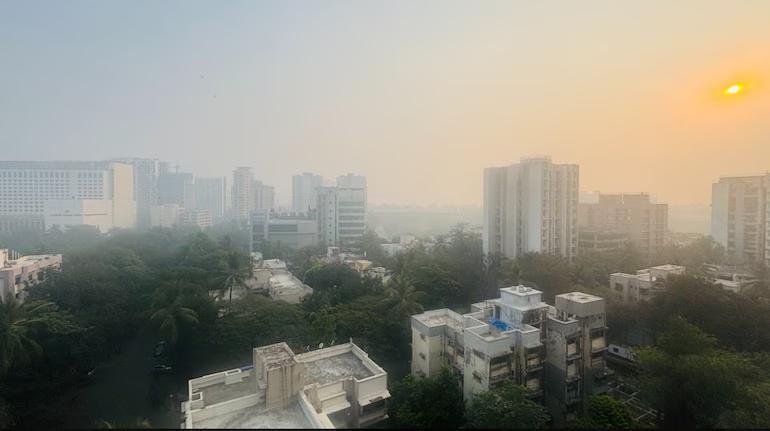
Mumbai, the financial capital of India, is known for its fast-paced life, bustling streets, and vibrant culture. However, in recent days, the city has been grappling with a severe air pollution crisis. The air quality in Mumbai has deteriorated significantly, leaving its residents gasping for breath. The sudden spike in air pollution has raised concerns among citizens, health experts, and environmentalists, who are now seeking answers to the question – why is Mumbai’s air getting worse?
The city’s air quality has been a topic of discussion for quite some time now, but the recent surge in pollution levels has been particularly alarming. According to reports, the air quality index (AQI) in Mumbai has been consistently high, often crossing the 200 mark, which is considered “poor” by Indian standards. The situation has been exacerbated by a combination of local pollution sources and seasonal weather shifts.
One of the primary reasons for the worsening air quality in Mumbai is the increase in roadwork across the city. After the monsoon season, road construction and repair activities have picked up pace, resulting in higher levels of road dust. The dust particles, which are often laden with heavy metals and other pollutants, become airborne and contribute to the city’s poor air quality. The problem is further compounded by the fact that many of these construction sites lack proper dust suppression measures, allowing the pollutants to spread far and wide.
Another significant factor contributing to Mumbai’s air pollution is the surge in construction activities across the city. The real estate sector in Mumbai has been booming, with numerous high-rise buildings, infrastructure projects, and redevelopment schemes underway. While these projects may be a boon for the city’s economy, they also generate massive amounts of dust, debris, and other pollutants. The construction sector is a significant contributor to air pollution, and the lack of effective regulations and enforcement has allowed the problem to spiral out of control.
Industrial fumes from heavy industries and refineries along the eastern corridor of Mumbai are also a major contributor to the city’s air pollution. The area is home to several large-scale industrial units, including oil refineries, chemical plants, and power plants, which emit massive amounts of toxic gases and particulate matter into the atmosphere. These pollutants not only harm the environment but also have severe health implications for people living in the surrounding areas.
The seasonal weather shifts have also played a role in exacerbating Mumbai’s air pollution crisis. During the winter months, the city experiences a temperature inversion, where a layer of cool air is trapped under a layer of warm air, preventing the pollutants from dispersing. This phenomenon, combined with the lack of strong winds, allows the pollutants to accumulate and concentrate in the city, making the air quality even worse.
The health implications of Mumbai’s air pollution crisis are severe and far-reaching. Exposure to poor air quality can lead to a range of health problems, including respiratory diseases, cardiovascular disease, and even cancer. Children, the elderly, and people with pre-existing medical conditions are particularly vulnerable to the effects of air pollution. The economic costs of air pollution are also significant, with estimates suggesting that it can lead to lost productivity, increased healthcare costs, and damage to the city’s infrastructure.
So, what can be done to address Mumbai’s air pollution crisis? The first step is to acknowledge the problem and take concrete steps to mitigate it. The city’s authorities must enforce stricter regulations on construction sites, industrial units, and other pollution sources. This can include measures such as dust suppression systems, emission controls, and regular monitoring of air quality.
The city also needs to invest in green infrastructure, such as parks, gardens, and green roofs, which can help to absorb pollutants and improve air quality. Additionally, the authorities must promote the use of clean energy sources, such as solar and wind power, and encourage the adoption of electric vehicles.
Citizens also have a crucial role to play in addressing Mumbai’s air pollution crisis. By making conscious choices, such as using public transport, carpooling, or cycling, individuals can reduce their carbon footprint and contribute to a cleaner environment. People can also participate in awareness campaigns, advocate for policy changes, and support organizations working to address air pollution.
In conclusion, Mumbai’s air pollution crisis is a complex problem that requires a multi-faceted approach to solve. The city’s authorities, citizens, and other stakeholders must work together to address the root causes of the problem and implement effective solutions. By doing so, we can ensure a healthier, more sustainable future for Mumbai and its residents.
About the Author