Neanderthals ate outsider women & children 45,000 years ago: Study
A shocking discovery has been made in the field of paleoanthropology, shedding new light on the behavior of our ancient ancestors. A study of human remains in Belgium’s Goyet cave system has revealed that Neanderthals engaged in cannibalism, specifically targeting women and children from other communities, around 45,000 years ago. This finding has significant implications for our understanding of Neanderthal behavior, social structure, and the dynamics of human evolution.
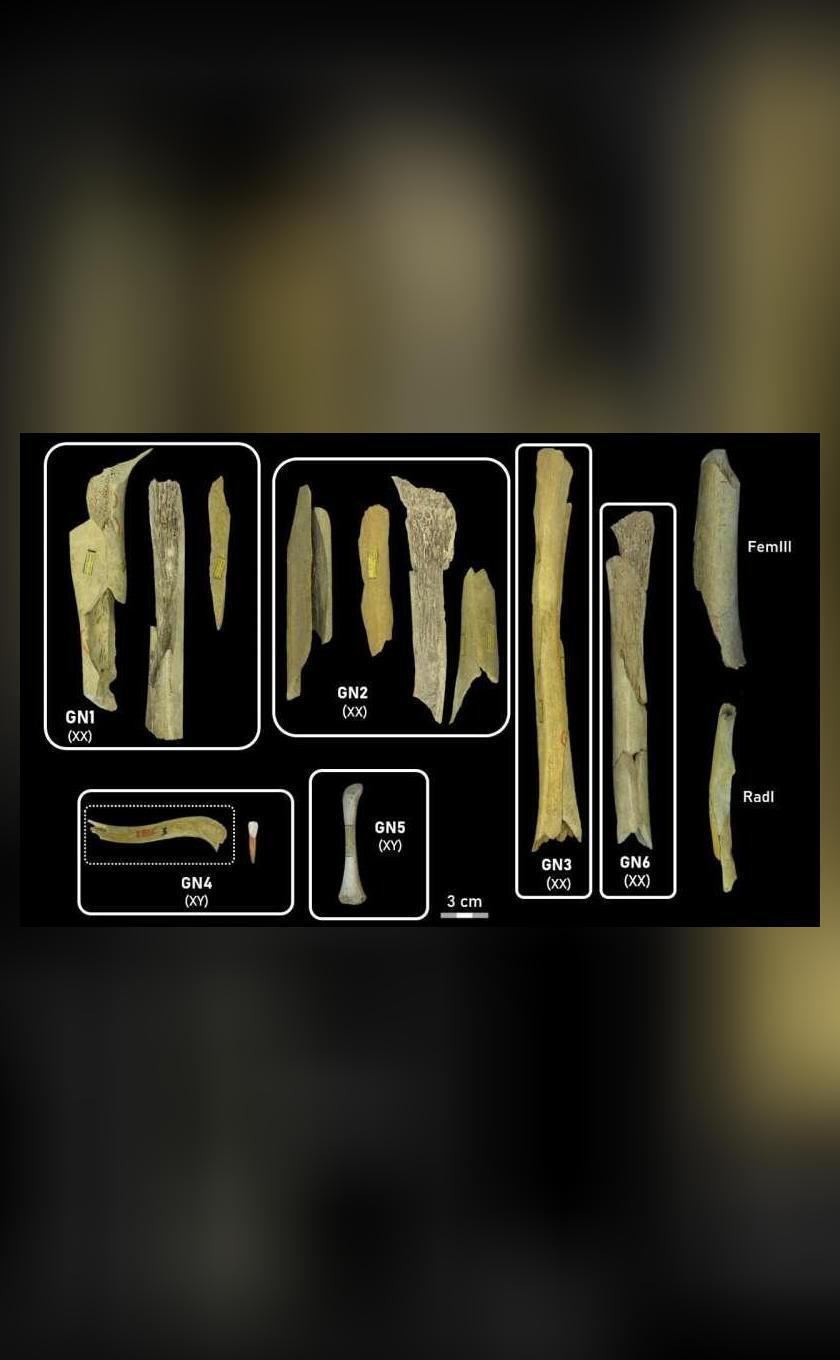
The study, which analyzed 101 bone fragments, found that the remains exhibited butchery marks similar to those found on animal bones. This suggests that the Neanderthals treated the human bodies as a source of food, rather than burying or disposing of them in a ritualistic manner. The presence of these butchery marks is a clear indication of cannibalism, and the fact that they are similar to those found on animal bones implies that the Neanderthals did not differentiate between human and animal prey.
The researchers behind the study believe that the cannibalism was linked to territorial conflict, which arose as Neanderthal populations began to shrink. Around 45,000 years ago, Homo sapiens had started to occupy nearby regions, potentially encroaching on Neanderthal territory and leading to competition for resources. This competition may have driven the Neanderthals to engage in cannibalism as a means of supplementing their diet and asserting dominance over rival groups.
The fact that the victims of cannibalism were primarily women and children is also significant. It suggests that the Neanderthals may have been targeting vulnerable members of other groups, potentially as a means of weakening their rivals and gaining an advantage in territorial disputes. This behavior is reminiscent of modern-day conflicts, where women and children are often the most vulnerable to violence and exploitation.
The study’s findings have significant implications for our understanding of Neanderthal social structure and behavior. It suggests that Neanderthals were capable of complex and nuanced social behavior, including cooperation, conflict, and even cannibalism. This challenges the traditional view of Neanderthals as brutish and unsophisticated, and instead reveals a more multifaceted and dynamic society.
The discovery also raises questions about the evolution of human behavior and the development of social norms. If Neanderthals were engaging in cannibalism as a means of survival and competition, what does this say about the origins of human morality and ethics? Did early humans also engage in similar behavior, or was this a unique aspect of Neanderthal culture?
The study’s authors note that the findings are not necessarily surprising, given the harsh conditions and competition for resources that existed during the Paleolithic era. However, the fact that Neanderthals targeted women and children specifically adds a new layer of complexity to our understanding of their behavior.
In conclusion, the discovery of Neanderthal cannibalism in the Goyet cave system is a significant finding that challenges our understanding of human evolution and behavior. The fact that Neanderthals targeted women and children from other communities adds a new layer of complexity to our understanding of their social structure and dynamics. As we continue to uncover more about our ancient ancestors, we are reminded that the history of human evolution is far more nuanced and multifaceted than we ever could have imagined.
The study’s findings are a testament to the importance of continued research and exploration in the field of paleoanthropology. By examining the remains of our ancient ancestors, we can gain a deeper understanding of human behavior, social structure, and the dynamics of evolution. As we look to the future, it is clear that there is still much to be learned about our shared human history, and that the study of Neanderthal cannibalism is just the beginning.
For more information on this study, please visit: https://phys.org/news/2025-11-neanderthal-women-children-victims-cannibalism.html
About the Author