Neanderthals ate outsider women & children 45,000 years ago: Study
In a shocking discovery, a recent study of human remains in Belgium’s Goyet cave system has revealed that Neanderthals engaged in cannibalism, specifically targeting women and children from other communities, approximately 45,000 years ago. This finding has significant implications for our understanding of Neanderthal behavior and social dynamics during the Late Pleistocene era.
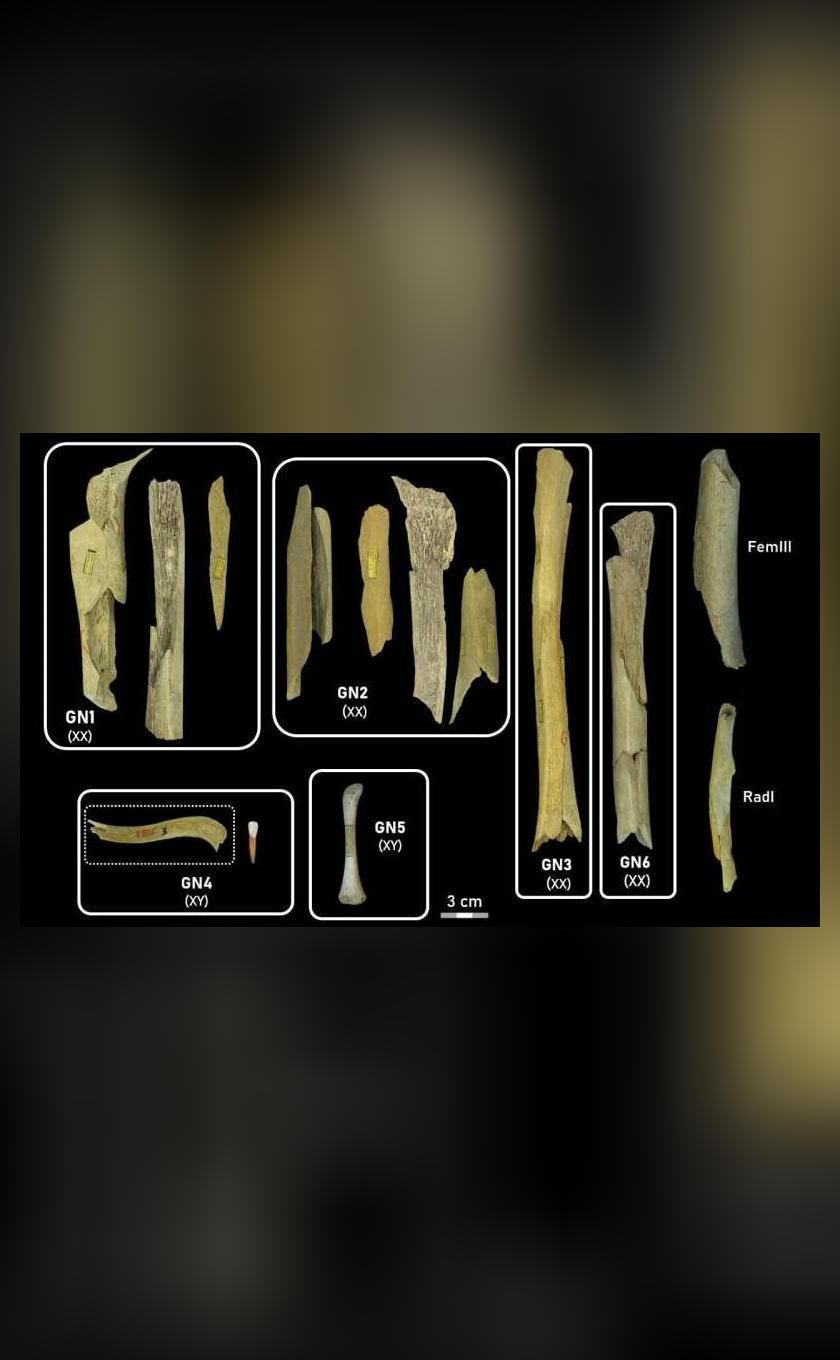
The research, which analyzed 101 bone fragments, identified butchery marks similar to those found on animal bones, suggesting that the Neanderthals treated these human remains as a source of food. The presence of these marks, including cuts, scrapes, and percussion marks, indicates that the bones were subjected to processing and consumption, much like animal carcasses.
The study’s findings are based on a thorough examination of the human remains, which were discovered in the Goyet cave system, a network of limestone caves in southern Belgium. The researchers employed a range of techniques, including zooarchaeological analysis, to compare the human bones with those of animals found at the site. The results showed that the human bones exhibited similar patterns of butchery and processing, indicating that they were treated as a food source.
The discovery of cannibalism among Neanderthals is not entirely new, as previous studies have suggested that they may have engaged in this practice. However, this latest study provides more conclusive evidence and sheds light on the specific circumstances surrounding this behavior. The researchers believe that the cannibalism was linked to territorial conflict, which arose when Neanderthal populations were shrinking, and Homo sapiens had begun occupying nearby regions.
During this period, the Neanderthal population was facing significant challenges, including climate change, resource competition, and the arrival of Homo sapiens, who were expanding their territory into Europe. As a result, the Neanderthals may have turned to cannibalism as a means of survival, targeting vulnerable individuals from other communities, such as women and children.
The study’s lead author noted that the cannibalism was likely a response to the social and environmental pressures faced by the Neanderthals, rather than a regular or preferred practice. The researchers suggest that the Neanderthals may have viewed outsiders as a threat to their resources and territory, leading them to engage in violent conflict and, ultimately, cannibalism.
The discovery of cannibalism among Neanderthals has significant implications for our understanding of human evolution and behavior. It highlights the complex and often violent nature of human societies, even in the distant past. The study also underscores the importance of considering the social and environmental context in which human behavior emerges, rather than relying on simplistic or stereotypical assumptions about our ancestors.
Furthermore, the study’s findings have implications for our understanding of the relationship between Neanderthals and Homo sapiens. The fact that Neanderthals targeted women and children from other communities suggests that they may have viewed Homo sapiens as a threat to their survival, leading to violent conflict and cannibalism.
In conclusion, the discovery of cannibalism among Neanderthals 45,000 years ago is a significant finding that sheds light on the complex and often violent nature of human societies in the distant past. The study’s findings highlight the importance of considering the social and environmental context in which human behavior emerges and underscore the complex relationship between Neanderthals and Homo sapiens.
As we continue to uncover the secrets of our ancestors, we are reminded that human behavior is complex, multifaceted, and often influenced by a range of factors, including environmental pressures, social dynamics, and cultural norms. This study serves as a reminder of the importance of approaching the study of human evolution and behavior with nuance and sensitivity, recognizing that our ancestors were capable of both cooperation and conflict, and that their behavior was shaped by a range of factors that are still relevant today.
For more information on this study, please visit: https://phys.org/news/2025-11-neanderthal-women-children-victims-cannibalism.html
About the Author