Neanderthals ate outsider women & children 45,000 years ago: Study
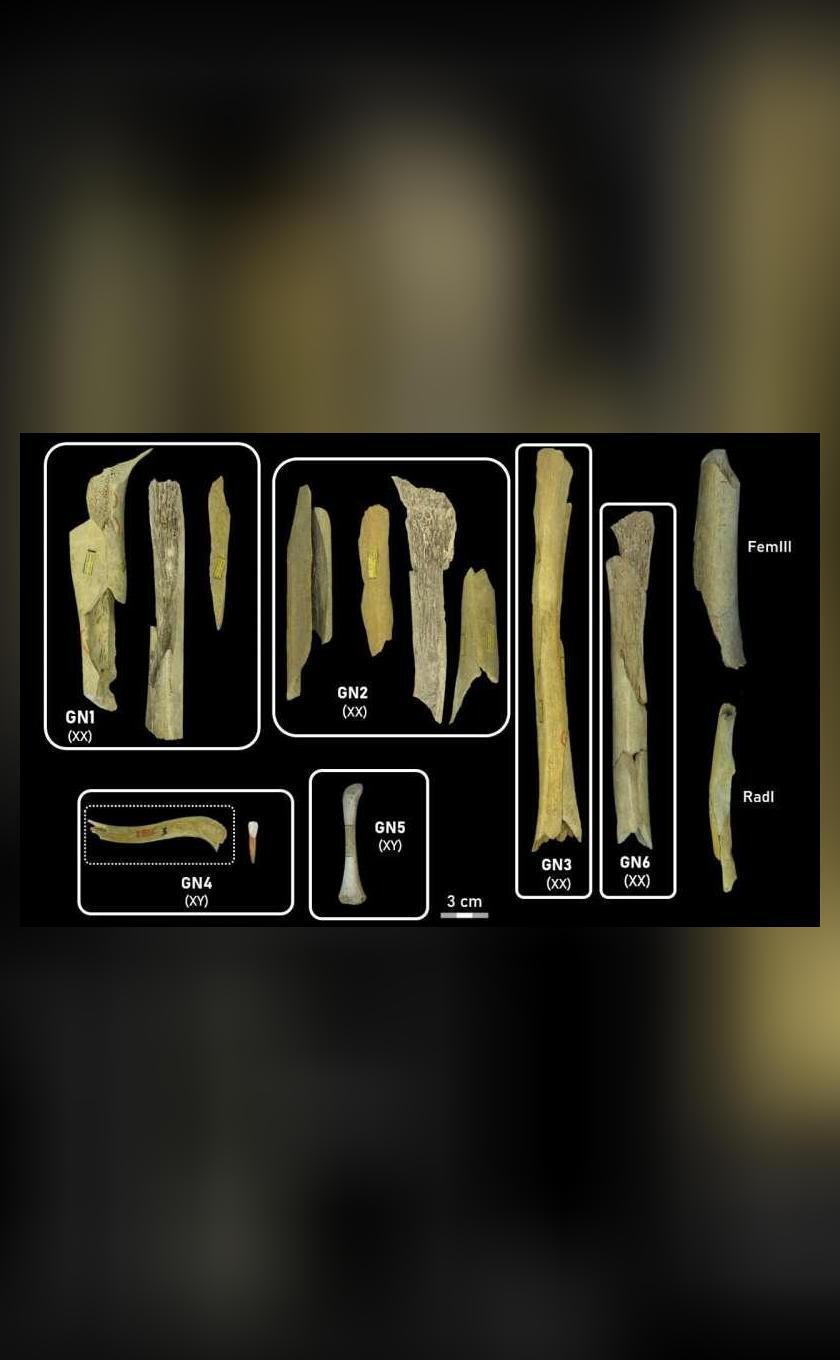
A recent study of human remains found in Belgium’s Goyet cave system has revealed a disturbing aspect of Neanderthal behavior. The research, which analyzed 101 bone fragments, suggests that Neanderthals practiced cannibalism, specifically targeting women and children from other communities. The findings, which date back approximately 45,000 years, provide a glimpse into the complex and often violent social dynamics of our ancient ancestors.
The discovery was made by a team of researchers who were studying the human remains found in the Goyet cave system. The cave system, which is located in the Belgian region of Namur, has been the subject of extensive archaeological research over the years. The team, which consisted of experts from various fields, including anthropology, archaeology, and paleontology, was able to identify the bone fragments as belonging to Neanderthals.
Upon closer examination, the researchers noticed that the bone fragments exhibited butchery marks similar to those found on animal bones. This suggested that the Neanderthals had been processing the human remains for food, using the same techniques they would have used to butcher animals. The presence of these butchery marks is a clear indication of cannibalism, and it provides a unique insight into the behavior and social dynamics of Neanderthals during this period.
The researchers were able to determine that the victims of this cannibalism were primarily women and children from other Neanderthal communities. This is significant, as it suggests that the Neanderthals were not just practicing cannibalism as a means of survival, but were also using it as a form of violence and aggression towards other groups. The fact that women and children were targeted specifically suggests that the Neanderthals were attempting to send a message or assert their dominance over other communities.
The study’s findings are also linked to the territorial conflict that was occurring during this period. As Neanderthal populations were shrinking, and Homo sapiens had begun occupying nearby regions, the competition for resources and territory became increasingly intense. The researchers believe that this competition may have led to an increase in violent behavior, including cannibalism, as Neanderthals sought to protect their territory and assert their dominance.
The discovery of cannibalism among Neanderthals is not entirely new, as there have been previous studies that have suggested this behavior. However, this latest study provides some of the most compelling evidence to date, and it sheds new light on the social dynamics of Neanderthals during this period. The fact that women and children were targeted specifically adds a new layer of complexity to our understanding of Neanderthal behavior, and it highlights the need for further research into this area.
The study’s findings also have implications for our understanding of human evolution and the development of human society. The fact that Neanderthals were capable of such violent behavior towards other humans suggests that the roots of human violence and aggression may be deeper than we previously thought. It also highlights the importance of considering the social and cultural context in which human behavior evolves, and the need to move beyond simplistic explanations of human behavior.
In conclusion, the study of human remains in Belgium’s Goyet cave system has provided a unique glimpse into the behavior and social dynamics of Neanderthals 45,000 years ago. The discovery of cannibalism, specifically targeting women and children from other communities, highlights the complex and often violent nature of Neanderthal society. As we continue to learn more about our ancient ancestors, we are reminded of the importance of considering the social and cultural context in which human behavior evolves, and the need to move beyond simplistic explanations of human behavior.
The study’s findings are a sobering reminder of the darker aspects of human nature, and the need for continued research into the complexities of human behavior. As we move forward, it is essential that we consider the implications of these findings and how they can inform our understanding of human evolution and the development of human society.
For more information on this study, please visit: https://phys.org/news/2025-11-neanderthal-women-children-victims-cannibalism.html
About the Author