Neanderthals ate outsider women & children 45,000 years ago: Study
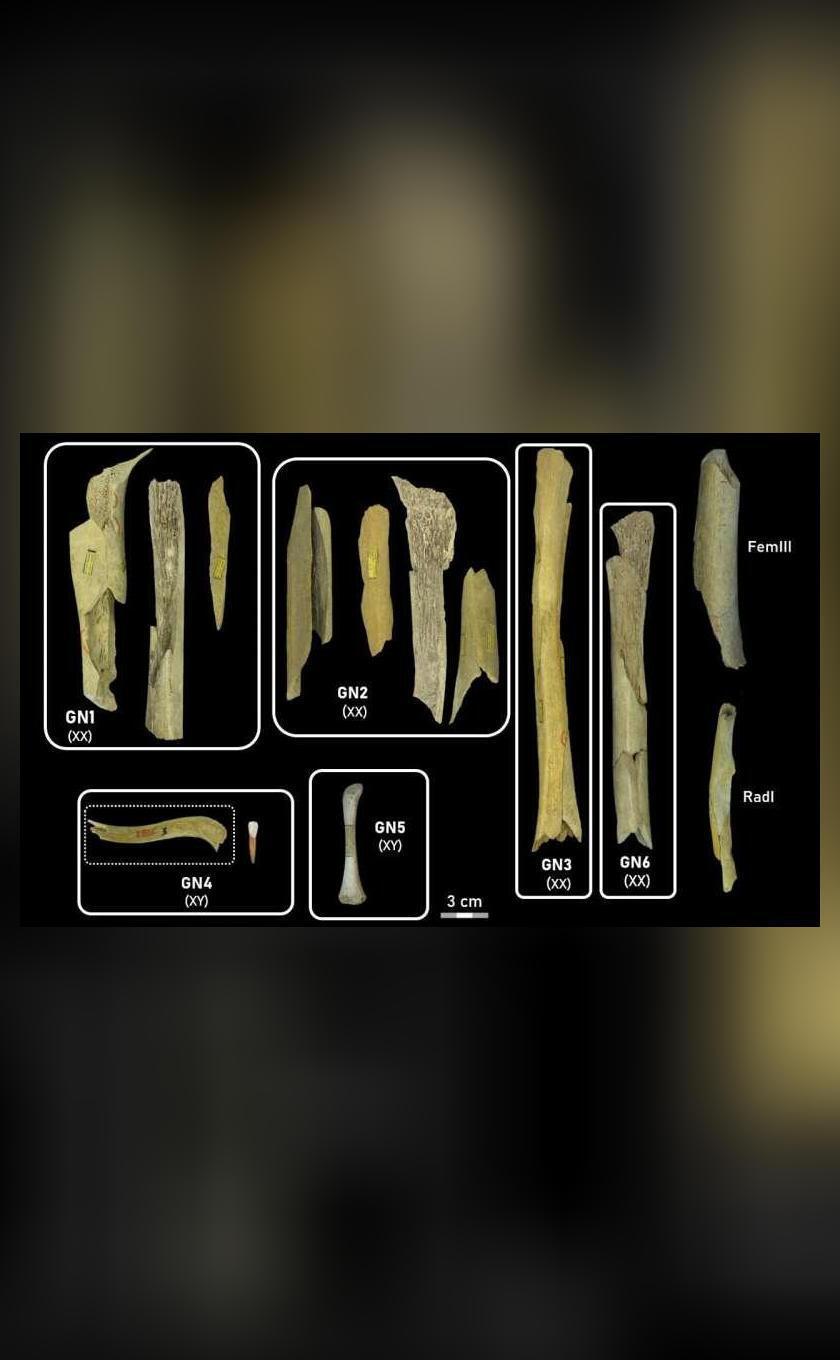
A recent study of human remains in Belgium’s Goyet cave system has shed light on a dark and fascinating aspect of Neanderthal behavior. The research, which analyzed 101 bone fragments, suggests that Neanderthals engaged in cannibalism, specifically targeting women and children from other communities, around 45,000 years ago. This shocking discovery has significant implications for our understanding of Neanderthal society and behavior, particularly during a period of significant change and upheaval.
The study, which focused on the Goyet cave system in Belgium, identified a large number of human bone fragments with butchery marks similar to those found on animal bones. These marks, which include cut marks, percussion marks, and other signs of processing, are characteristic of cannibalism. The researchers were able to determine that the human remains belonged to individuals from outside the local Neanderthal community, suggesting that the cannibalism was not a case of “survival cannibalism” within a single group, but rather a more intentional and targeted behavior.
The fact that the victims were primarily women and children is particularly significant. This suggests that the Neanderthals were not simply killing and eating anyone they encountered, but rather targeting specific individuals who may have been perceived as weaker or more vulnerable. This behavior is consistent with other evidence of Neanderthal violence and aggression, which has been documented in various studies of Neanderthal remains and artifacts.
So why would Neanderthals engage in such behavior? The researchers suggest that the cannibalism may have been linked to territorial conflict, which was likely exacerbated by the decline of Neanderthal populations and the expansion of Homo sapiens into nearby regions. As Neanderthal populations shrank, they may have become more competitive and aggressive, leading to increased conflict with other Neanderthal groups and with early Homo sapiens.
This theory is supported by other evidence of Neanderthal behavior during this period. For example, studies of Neanderthal artifacts and remains have shown that they were highly territorial and had a strong sense of group identity. They also had a complex social structure, with evidence of cooperation and altruism within groups, but also a tendency towards violence and aggression towards outsiders.
The discovery of cannibalism among Neanderthals is not entirely surprising, given what we already know about their behavior and society. However, the fact that they targeted women and children from other communities is a new and significant finding, which sheds light on the complexities and nuances of Neanderthal behavior.
The study also highlights the importance of considering the social and cultural context of Neanderthal behavior. Rather than simply viewing them as “brute” or “savage”, we need to recognize that they were complex and multifaceted individuals, capable of both cooperation and conflict. By examining the evidence of cannibalism in the context of Neanderthal society and culture, we can gain a deeper understanding of their behavior and the factors that drove it.
In conclusion, the discovery of cannibalism among Neanderthals is a significant finding that sheds new light on their behavior and society. The fact that they targeted women and children from other communities suggests a complex and nuanced social structure, with a strong sense of group identity and a tendency towards violence and aggression towards outsiders. As we continue to learn more about Neanderthals and their behavior, we are reminded of the importance of considering the social and cultural context of their actions, and of recognizing the complexity and multifaceted nature of their society.
The study’s findings are a reminder that the history of human evolution is complex and multifaceted, and that our ancestors were capable of both cooperation and conflict. As we continue to explore and learn more about our evolutionary past, we are reminded of the importance of considering the social and cultural context of human behavior, and of recognizing the complexity and nuance of human societies.
The research on Neanderthal cannibalism is an important contribution to our understanding of human evolution and behavior, and highlights the need for further study and exploration of the archaeological record. By examining the evidence of cannibalism in the context of Neanderthal society and culture, we can gain a deeper understanding of their behavior and the factors that drove it, and shed new light on the complex and fascinating history of human evolution.
News Source: https://phys.org/news/2025-11-neanderthal-women-children-victims-cannibalism.html
About the Author