Neanderthals ate outsider women & children 45,000 years ago: Study
The discovery of human remains in Belgium’s Goyet cave system has shed new light on the behavior of Neanderthals, our ancient human relatives. A recent study has revealed that Neanderthals engaged in cannibalism, targeting women and children from other communities around 45,000 years ago. This shocking finding has significant implications for our understanding of Neanderthal behavior, social structure, and interactions with other human groups.
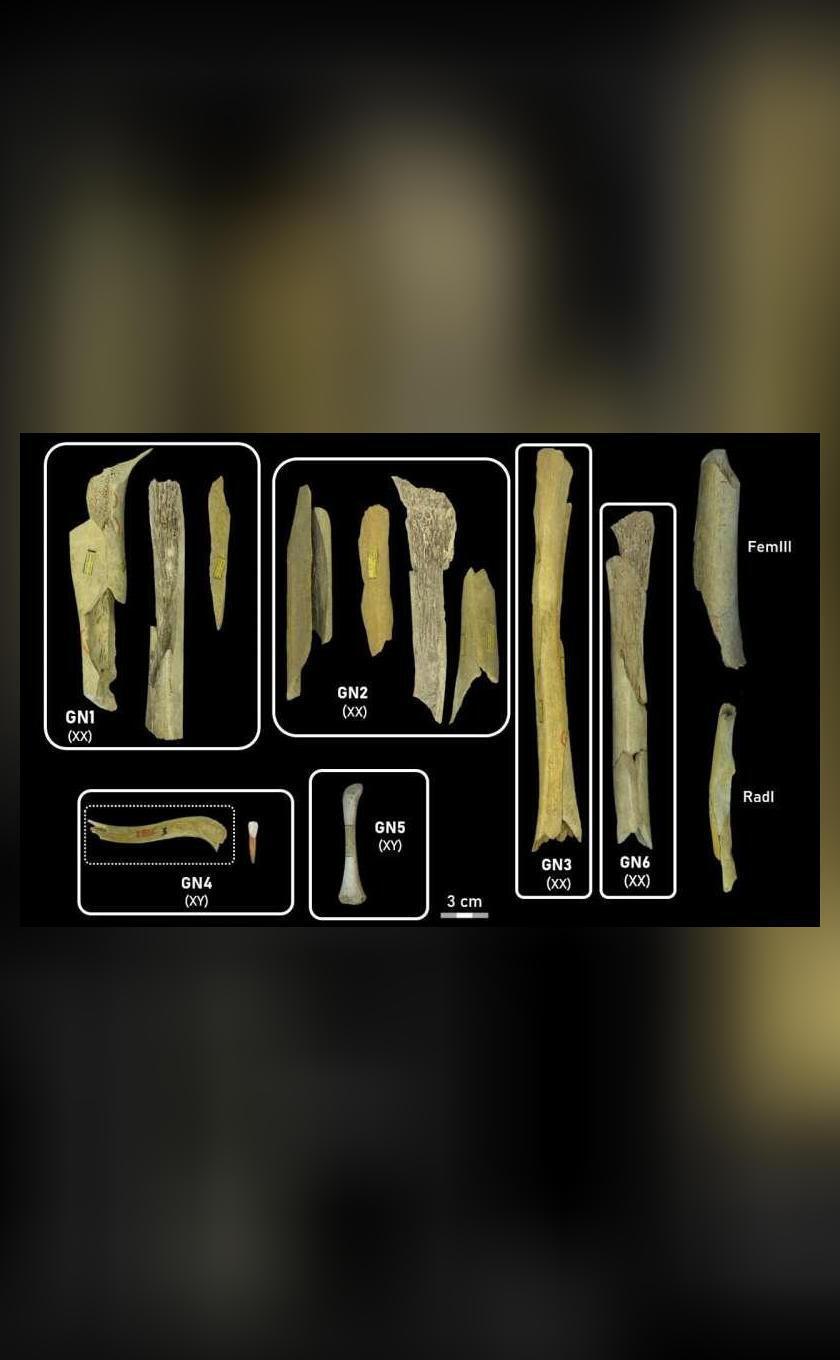
The study, which analyzed 101 bone fragments found in the Goyet cave system, identified butchery marks similar to those found on animal bones. These marks suggest that the Neanderthals had cut and stripped the flesh from the human bones, likely for consumption. The presence of these butchery marks is a clear indication of cannibalism, and the fact that the majority of the remains belonged to women and children is particularly noteworthy.
The researchers behind the study believe that this cannibalism was linked to territorial conflict, which was likely exacerbated by the shrinking Neanderthal population and the presence of Homo sapiens in nearby regions. As Neanderthal numbers declined, they may have become more competitive and aggressive in their pursuit of resources, leading to conflicts with other Neanderthal groups and potentially even with early Homo sapiens.
The fact that the victims of cannibalism were primarily women and children is significant, as it suggests that Neanderthals may have been targeting vulnerable individuals who were less likely to pose a threat. This behavior is consistent with the idea that Neanderthals were engaged in territorial conflict, and that they were willing to use violence and cannibalism to assert their dominance and protect their resources.
The study’s findings also raise important questions about the social structure and organization of Neanderthal groups. If Neanderthals were engaging in cannibalism, it is likely that their social bonds and cultural norms were significantly different from those of modern humans. The fact that they were willing to consume members of their own species, particularly women and children, suggests a level of violence and aggression that is rare in modern human societies.
The discovery of cannibalism among Neanderthals is not entirely surprising, as there have been previous findings of similar behavior in other Neanderthal sites. However, the scale and nature of the cannibalism revealed in this study are unprecedented, and they provide a unique insight into the lives and behaviors of our ancient human relatives.
The study’s authors note that the cannibalism practiced by Neanderthals was likely a rare and exceptional behavior, rather than a common practice. However, the fact that it occurred at all is significant, and it highlights the complexity and variability of Neanderthal behavior.
In conclusion, the discovery of cannibalism among Neanderthals is a significant finding that sheds new light on the behavior and social structure of our ancient human relatives. The fact that Neanderthals targeted women and children from other communities, and that this behavior was linked to territorial conflict, highlights the complexity and competitiveness of Neanderthal societies. As we continue to learn more about Neanderthals and their behavior, we are reminded of the importance of considering the full range of human experiences and behaviors, including those that may be difficult or uncomfortable to confront.
This study is a significant contribution to our understanding of Neanderthal behavior, and it highlights the importance of continued research into the lives and experiences of our ancient human relatives. By exploring the complexities and nuances of Neanderthal behavior, we can gain a deeper understanding of the evolution of human societies and the development of our own cultural and social norms.
News source: https://phys.org/news/2025-11-neanderthal-women-children-victims-cannibalism.html
About the Author