Neanderthals ate outsider women & children 45,000 years ago: Study
The discovery of ancient human remains in Belgium’s Goyet cave system has shed new light on the behavior of Neanderthals, our closest extinct relatives. A recent study has revealed that Neanderthals practiced cannibalism, targeting women and children from other communities around 45,000 years ago. This finding has significant implications for our understanding of Neanderthal social dynamics, territorial behavior, and the interactions between different human groups during the Upper Pleistocene era.
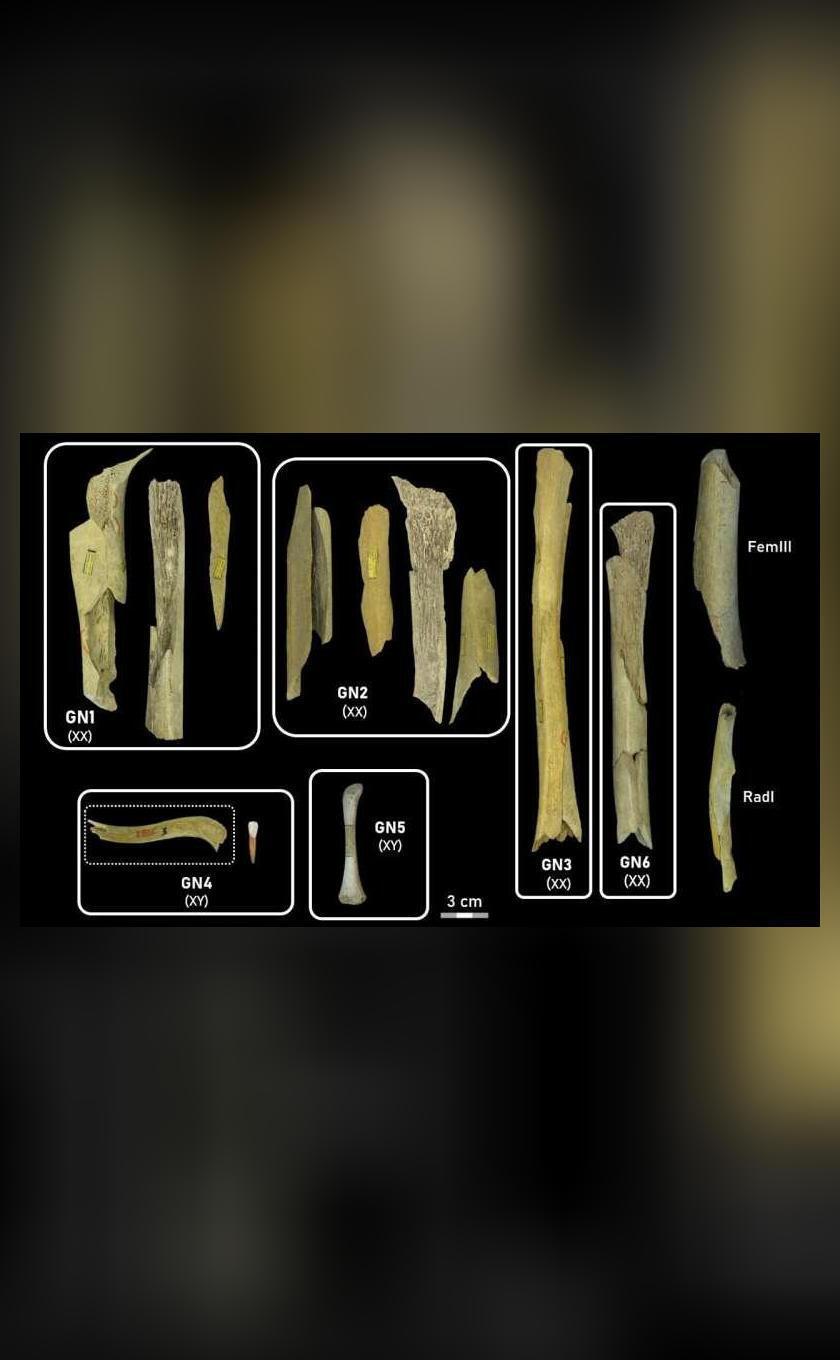
The research, which analyzed 101 bone fragments from the Goyet cave system, identified butchery marks similar to those found on animal bones. These marks suggest that the Neanderthals were processing human remains for food, likely in response to nutritional needs or as a result of territorial conflict. The fact that the victims were predominantly women and children from outside the local Neanderthal community is a significant aspect of this discovery.
To understand the context of this finding, it is essential to consider the demographic and environmental pressures that Neanderthals faced during this period. Around 45,000 years ago, Neanderthal populations were declining, and Homo sapiens (modern humans) were beginning to occupy nearby regions. This overlap of human species may have led to competition for resources, territory, and mates, ultimately resulting in violent conflicts.
The Goyet cave system, located in the Belgian Ardennes, has been the subject of extensive archaeological research. The site has yielded a wealth of information about the lives of Neanderthals, including their dietary habits, tool use, and social behavior. The discovery of butchered human remains, however, is a rare and significant find, providing a unique glimpse into the darker aspects of Neanderthal society.
The study’s findings are based on a detailed analysis of the bone fragments, which were found to exhibit cut marks, percussion marks, and other signs of butchery. These marks are consistent with the processing of animal carcasses, suggesting that the Neanderthals were treating human remains in a similar manner. The presence of these marks on the bones of women and children, in particular, implies that these individuals were targeted and exploited for food.
The researchers behind the study suggest that the cannibalism practiced by Neanderthals may have been linked to territorial conflict and competition for resources. As Neanderthal populations declined, they may have become more aggressive and defensive of their territory, leading to violent encounters with other human groups. The fact that the victims were predominantly women and children may indicate that these individuals were more vulnerable to attack and exploitation.
This discovery has significant implications for our understanding of Neanderthal behavior and social dynamics. While we have long known that Neanderthals were capable of complex social behavior, including cooperation and altruism, this finding highlights the darker aspects of their nature. The fact that they practiced cannibalism, targeting vulnerable members of other communities, suggests that Neanderthals were capable of extreme violence and exploitation.
The study’s findings also raise important questions about the interactions between different human groups during the Upper Pleistocene era. As Homo sapiens began to occupy nearby regions, they may have encountered Neanderthal groups, leading to conflicts and competitions for resources. The fact that Neanderthals practiced cannibalism, targeting women and children, may have been a response to these demographic and environmental pressures.
In conclusion, the discovery of butchered human remains in the Goyet cave system provides a unique glimpse into the behavior of Neanderthals during a period of significant demographic and environmental change. The fact that they practiced cannibalism, targeting women and children from other communities, highlights the complex and often violent nature of Neanderthal society. As we continue to uncover the secrets of our ancient relatives, we are reminded of the importance of considering the social, cultural, and environmental contexts in which they lived.
Source:
https://phys.org/news/2025-11-neanderthal-women-children-victims-cannibalism.html
About the Author