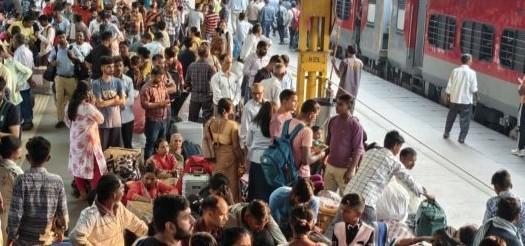
Modern city life harm human health & reproductive functions: Study
The rapid pace of industrialization and urbanization has transformed the way we live, work, and interact with our environment. While modern city life offers numerous benefits, such as access to better education, healthcare, and economic opportunities, it also poses significant risks to human health and reproductive functions. According to a recent study published in the Journal of Evolutionary Biology, the stresses of modern city life may be outpacing our biology, affecting our survival and reproductive functions.
The study suggests that the crowded, polluted environments and limited contact with nature that are characteristic of modern city life can have far-reaching consequences for human health. The researchers found that the high levels of stress, noise, and air pollution in urban areas can reduce fertility, weaken immunity, slow cognitive development, and decrease physical strength. These findings have significant implications for public health policy and urban planning, highlighting the need for more sustainable and health-conscious approaches to city design and development.
One of the primary concerns is the impact of modern city life on reproductive health. The study found that exposure to air pollution, noise, and other urban stressors can disrupt the body’s natural hormonal balances, leading to reduced fertility and increased risk of reproductive problems. This is particularly concerning, as reproductive health is essential for the survival and continuation of the human species. The researchers suggest that the declining fertility rates observed in many urban populations may be linked to the stresses of modern city life, highlighting the need for more research into the effects of urbanization on reproductive health.
In addition to the risks to reproductive health, modern city life also poses significant risks to overall health and wellbeing. The study found that the high levels of stress and anxiety characteristic of urban environments can weaken the immune system, making individuals more susceptible to illness and disease. Furthermore, the lack of contact with nature and the outdoors can slow cognitive development and decrease physical strength, leading to a range of negative outcomes for mental and physical health.
The researchers also highlight the importance of exposure to natural light and the outdoors for human health. In modern cities, many individuals spend the majority of their time indoors, often with limited access to natural light and fresh air. This can lead to a range of health problems, including vitamin D deficiency, obesity, and depression. The study suggests that urban planners and policymakers should prioritize the creation of green spaces and outdoor recreational areas, in order to promote healthier and more sustainable lifestyles.
Another key finding of the study is the impact of modern city life on cognitive development. The researchers found that the high levels of stress and noise in urban environments can slow cognitive development in children, leading to reduced academic achievement and increased risk of mental health problems. This highlights the need for more research into the effects of urbanization on child development, as well as the importance of creating healthier and more supportive learning environments.
The study’s findings have significant implications for public health policy and urban planning. The researchers suggest that policymakers should prioritize the creation of healthier and more sustainable cities, with a focus on reducing air pollution, noise, and other urban stressors. This could involve the creation of green spaces, outdoor recreational areas, and community programs to promote physical activity and social connection. Additionally, the study highlights the need for more research into the effects of urbanization on human health, in order to better understand the risks and benefits of modern city life.
In conclusion, the study provides compelling evidence that modern city life can harm human health and reproductive functions. The stresses of urbanization, including air pollution, noise, and limited contact with nature, can have far-reaching consequences for our survival and wellbeing. As the world becomes increasingly urbanized, it is essential that we prioritize the creation of healthier and more sustainable cities, with a focus on promoting human health and wellbeing. By doing so, we can reduce the risks associated with modern city life and create a brighter, healthier future for generations to come.
News Source: https://onlinelibrary.wiley.com/doi/10.1111/brv.70094
About the Author