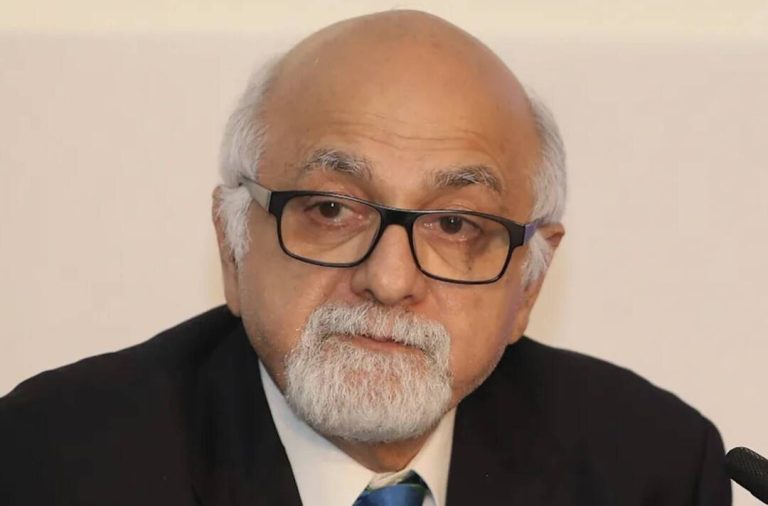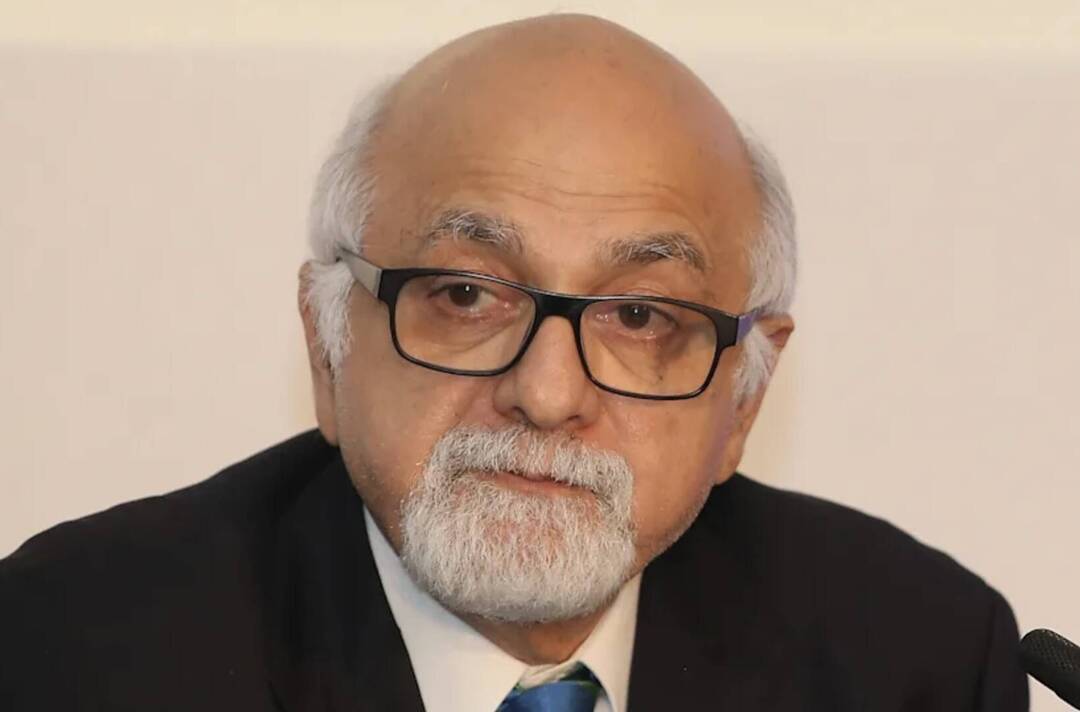
Who is Imran Khwaja, who’s mediating boycott talks with Pakistan?
The cricket world has been abuzz with the news of Pakistan’s proposed boycott of their match against India at the T20 World Cup. The Pakistan Cricket Board (PCB) has been engaged in talks with the International Cricket Council (ICC) to resolve the issue, and a key figure mediating these talks is Imran Khwaja, the ICC Deputy Chairman. But who is Imran Khwaja, and what makes him a crucial player in this high-stakes negotiation?
To understand Imran Khwaja’s role in the ICC, it’s essential to look at his background and experience. A lawyer by profession, Khwaja has been involved in cricket administration for many years. He served as the President of the Singapore Cricket Association, where he played a significant role in promoting the sport in the country. His experience in cricket administration and his legal expertise make him an ideal candidate to mediate complex disputes like the one between the PCB and the ICC.
Khwaja’s association with the ICC dates back to 2008, when he was elected to the ICC Board. Since then, he has been a long-time powerbroker in the organization, shaping its policies and decisions. In 2017, he was appointed as the ICC Deputy Chairman, a position that gives him significant influence over the organization’s decision-making process. As Deputy Chairman, Khwaja has been instrumental in shaping the ICC’s modern constitution, which has had a profound impact on the sport globally.
One of Khwaja’s key strengths is his ability to build relationships and negotiate with different stakeholders. As a lawyer, he is trained to analyze complex issues, identify potential solutions, and negotiate agreements that satisfy all parties involved. These skills have been invaluable in his role as ICC Deputy Chairman, where he has been involved in mediating disputes and negotiating agreements between different cricket boards and the ICC.
In the current context, Khwaja’s mediation skills are being put to the test as he negotiates with the PCB to resolve the issue of Pakistan’s proposed boycott of their match against India. The PCB has been seeking assurances from the ICC that the Indian government will provide adequate security for the Pakistani team during the tournament. The ICC, on the other hand, has been trying to convince the PCB to participate in the tournament, citing the importance of maintaining the integrity of the competition.
Khwaja’s involvement in the talks is seen as a positive development, given his experience and influence within the ICC. He is well-respected by the PCB, and his ability to build relationships and negotiate agreements makes him an ideal candidate to mediate the talks. As the negotiations continue, it’s likely that Khwaja will play a crucial role in finding a solution that satisfies both the PCB and the ICC.
The outcome of these talks will have significant implications for the T20 World Cup and the future of cricket. If the PCB decides to boycott the match against India, it could have far-reaching consequences for the sport, including the potential for other teams to boycott matches against India in the future. On the other hand, if the ICC and the PCB can reach an agreement, it could help to maintain the integrity of the competition and ensure that the tournament is a success.
In conclusion, Imran Khwaja is a highly experienced and influential figure in the ICC, with a deep understanding of the sport and its complexities. His mediation skills and ability to build relationships make him an ideal candidate to negotiate with the PCB and resolve the issue of Pakistan’s proposed boycott of their match against India. As the talks continue, it’s likely that Khwaja will play a crucial role in finding a solution that satisfies both the PCB and the ICC.
About the Author