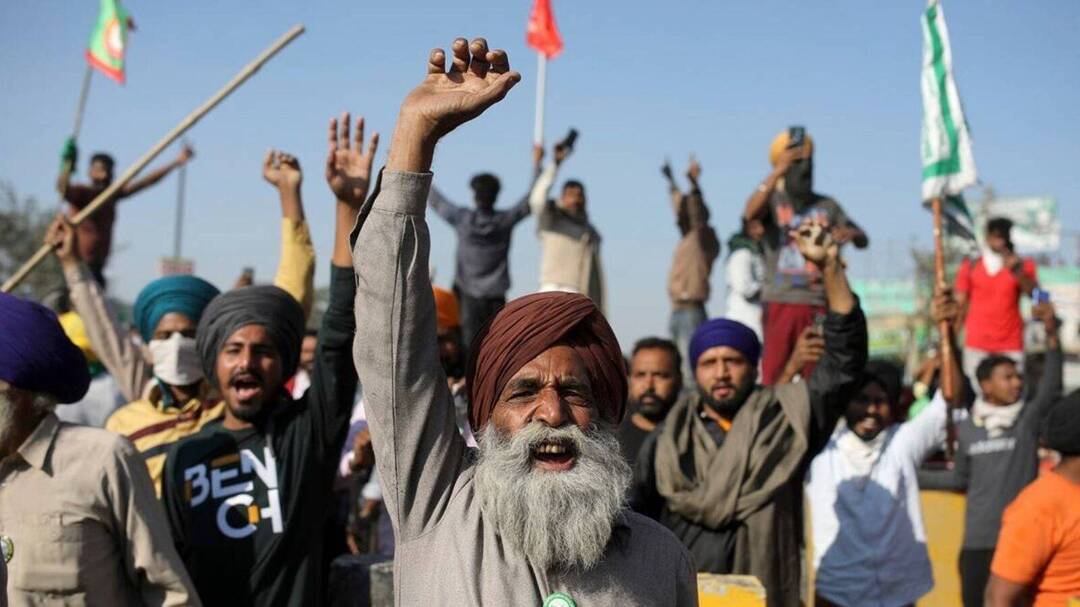
Farmers to hold nationwide protests over India-US trade deal on Feb 12
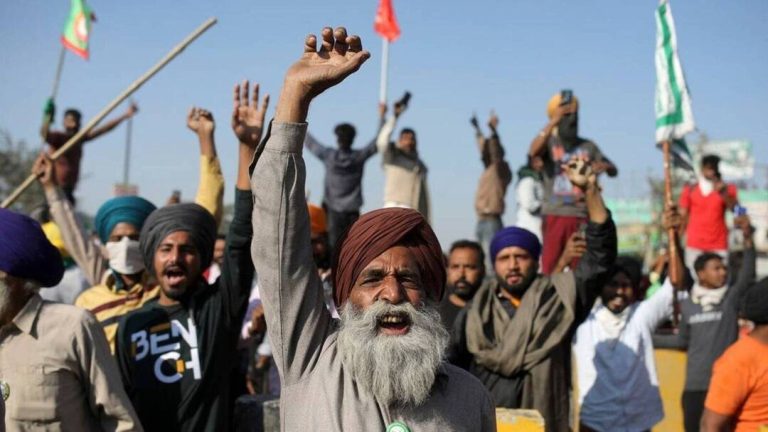
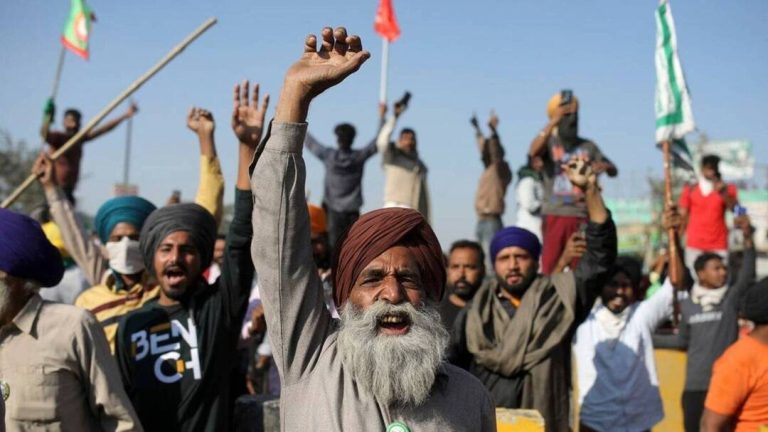
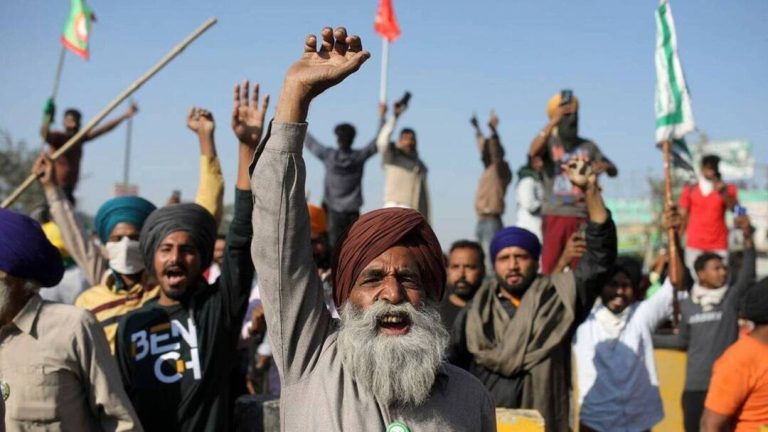
The agricultural sector in India has been a topic of intense debate and discussion in recent years, with farmers across the country facing numerous challenges and struggles. The latest development in this regard is the announcement by farmers’ organizations to hold nationwide protests on February 12 against the India-US trade deal. The Samyukt Kisan Morcha (SKM) and the All India Kisan Sabha (AIKS), along with several other farmers’ organizations, have come together to stage protests against the interim trade deal, which they claim is a “total surrender” of India’s agriculture and farmers to American MNCs.
The India-US trade deal has been a contentious issue, with many farmers’ organizations and experts expressing concerns about its potential impact on the agricultural sector in India. The deal is expected to increase trade between the two countries, but farmers’ organizations argue that it will benefit American corporations at the expense of Indian farmers. The SKM has demanded the resignation of Union Minister Piyush Goyal over the matter, accusing him of compromising the interests of Indian farmers.
The protests on February 12 are expected to be widespread, with farmers’ organizations planning to stage demonstrations and rallies in cities and towns across the country. The SKM has called upon all farmers, agricultural workers, and other stakeholders to join the protests and express their opposition to the trade deal. The organization has also announced plans to block highways and roads in several states, including Punjab, Haryana, and Uttar Pradesh, to draw attention to the issue.
The farmers’ organizations have raised several concerns about the India-US trade deal, including the potential impact on India’s agricultural exports, the influx of cheap American imports, and the threat to India’s food security. They argue that the deal will benefit American corporations, such as Monsanto and Cargill, at the expense of Indian farmers, who will struggle to compete with cheap imports. The organizations have also expressed concerns about the deal’s potential impact on India’s agricultural sector, including the potential for job losses and the decline of domestic industries.
One of the key concerns of the farmers’ organizations is the potential impact of the trade deal on India’s agricultural exports. India is a significant exporter of agricultural products, including basmati rice, spices, and textiles. However, the trade deal is expected to increase competition from American exporters, which could lead to a decline in India’s agricultural exports. This, in turn, could have a negative impact on the livelihoods of Indian farmers, who rely on exports to earn a significant portion of their income.
Another concern of the farmers’ organizations is the potential influx of cheap American imports. The trade deal is expected to reduce tariffs on American imports, making them cheaper and more competitive in the Indian market. This could lead to a decline in demand for domestic products, which could have a negative impact on the livelihoods of Indian farmers. The organizations argue that the deal will benefit American corporations, such as Walmart and Amazon, which will be able to import cheap products from the US and sell them in India, undercutting domestic producers.
The farmers’ organizations have also expressed concerns about the deal’s potential impact on India’s food security. India is a significant producer of foodgrains, including wheat, rice, and pulses. However, the trade deal is expected to increase dependence on American imports, which could compromise India’s food security. The organizations argue that the deal will benefit American corporations, such as Cargill and Monsanto, which will be able to export genetically modified crops to India, potentially threatening the country’s food security.
The protests on February 12 are expected to be a significant event, with farmers’ organizations planning to stage demonstrations and rallies in cities and towns across the country. The SKM has called upon all farmers, agricultural workers, and other stakeholders to join the protests and express their opposition to the trade deal. The organization has also announced plans to block highways and roads in several states, including Punjab, Haryana, and Uttar Pradesh, to draw attention to the issue.
In conclusion, the India-US trade deal has been a contentious issue, with many farmers’ organizations and experts expressing concerns about its potential impact on the agricultural sector in India. The protests on February 12 are expected to be a significant event, with farmers’ organizations planning to stage demonstrations and rallies in cities and towns across the country. The SKM has demanded the resignation of Union Minister Piyush Goyal over the matter, accusing him of compromising the interests of Indian farmers. As the protests approach, it remains to be seen how the government will respond to the concerns of the farmers’ organizations and whether it will reconsider the trade deal.
About the Author