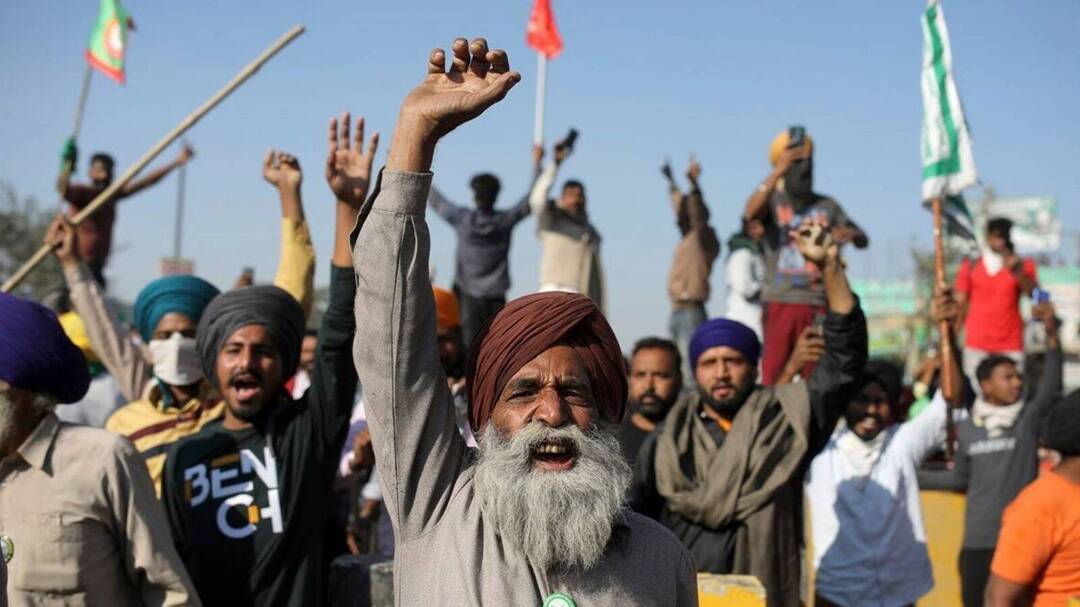
Farmers to hold nationwide protests over India-US trade deal on Feb 12
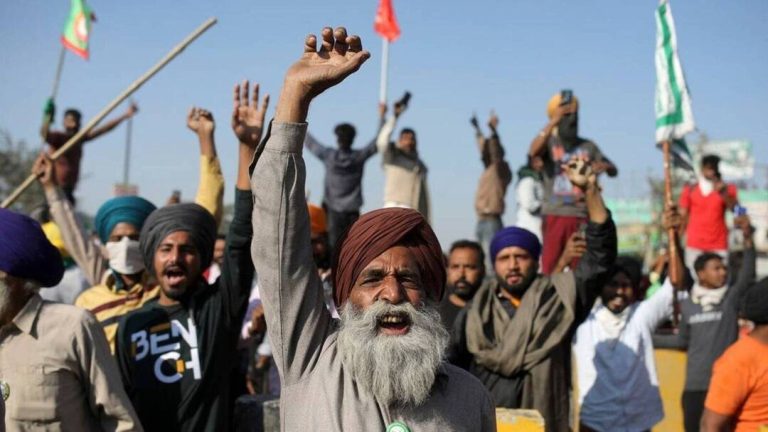
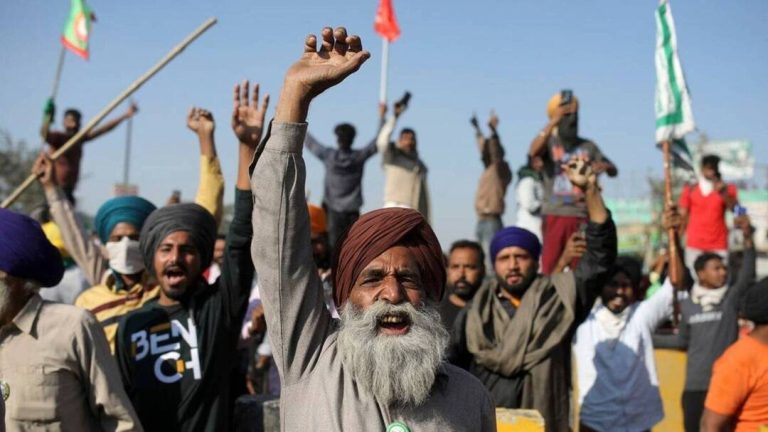
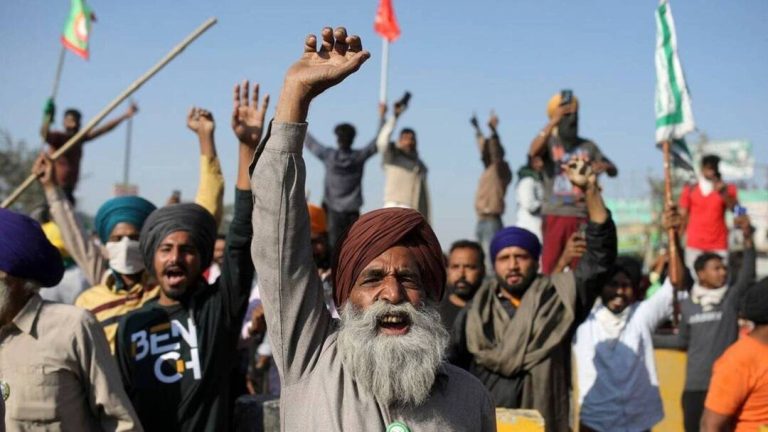
The agricultural sector in India has been a topic of discussion for quite some time now, with the government’s policies and decisions being closely watched by farmers, activists, and the general public. In a recent development, the Samyukt Kisan Morcha (SKM) and the All India Kisan Sabha (AIKS), along with several other farmers’ organisations, have announced plans to stage nationwide protests on February 12 against the India-US trade deal. The protests are a response to the interim trade deal between India and the United States, which the farmers’ organisations claim is a “total surrender” of India’s agriculture and farmers to American MNCs.
The India-US trade deal has been a subject of controversy, with many farmers’ organisations and activists expressing concerns over its potential impact on the Indian agricultural sector. The deal is expected to increase trade between the two countries, but the farmers’ organisations argue that it will lead to the exploitation of Indian farmers by American multinational corporations (MNCs). They claim that the deal will allow American companies to dominate the Indian market, leading to a decline in the income of Indian farmers and a loss of livelihood for many.
The SKM, which is a coalition of farmers’ organisations, has been at the forefront of the protests against the India-US trade deal. The organisation has accused the government of betraying the trust of farmers and surrendering the country’s agriculture to American MNCs. The SKM has also demanded the resignation of Union Minister Piyush Goyal, who is responsible for negotiating the trade deal. The organisation claims that Goyal has failed to protect the interests of Indian farmers and has instead prioritised the interests of American corporations.
The All India Kisan Sabha (AIKS) has also joined the protests, expressing its strong opposition to the India-US trade deal. The AIKS has accused the government of ignoring the concerns of farmers and pushing through the deal without consulting them. The organisation has also demanded that the government scrap the deal and engage in fresh negotiations that take into account the interests of Indian farmers.
The nationwide protests on February 12 are expected to be a major show of strength by the farmers’ organisations. The protests will be held in cities and towns across the country, with farmers, activists, and supporters gathering to express their opposition to the India-US trade deal. The protests will also be an opportunity for the farmers’ organisations to raise awareness about the potential impact of the deal on the Indian agricultural sector and to mobilise public support for their cause.
The India-US trade deal has been a topic of discussion for several months now, with the government and American officials engaging in negotiations to finalize the agreement. The deal is expected to cover a range of areas, including agriculture, pharmaceuticals, and e-commerce. However, the farmers’ organisations are concerned that the deal will lead to the import of cheap agricultural products from the United States, which will hurt the income of Indian farmers.
The protests on February 12 are not just about the India-US trade deal, but also about the broader issues affecting the Indian agricultural sector. The farmers’ organisations are demanding better prices for their produce, improved infrastructure, and greater support from the government. They are also seeking to highlight the plight of farmers who are struggling to make a living due to the government’s policies and the increasing costs of production.
The government has responded to the protests by saying that the India-US trade deal is in the best interests of the country and will lead to increased trade and economic growth. However, the farmers’ organisations are not convinced, and they are determined to continue their protests until their demands are met.
In conclusion, the nationwide protests on February 12 are a significant development in the ongoing debate over the India-US trade deal. The protests reflect the deep concerns of farmers’ organisations and activists about the potential impact of the deal on the Indian agricultural sector. The government needs to listen to the concerns of farmers and engage in a meaningful dialogue to address their issues. The protests are also an opportunity for the government to re-evaluate its policies and priorities, and to ensure that the interests of Indian farmers are protected.
About the Author