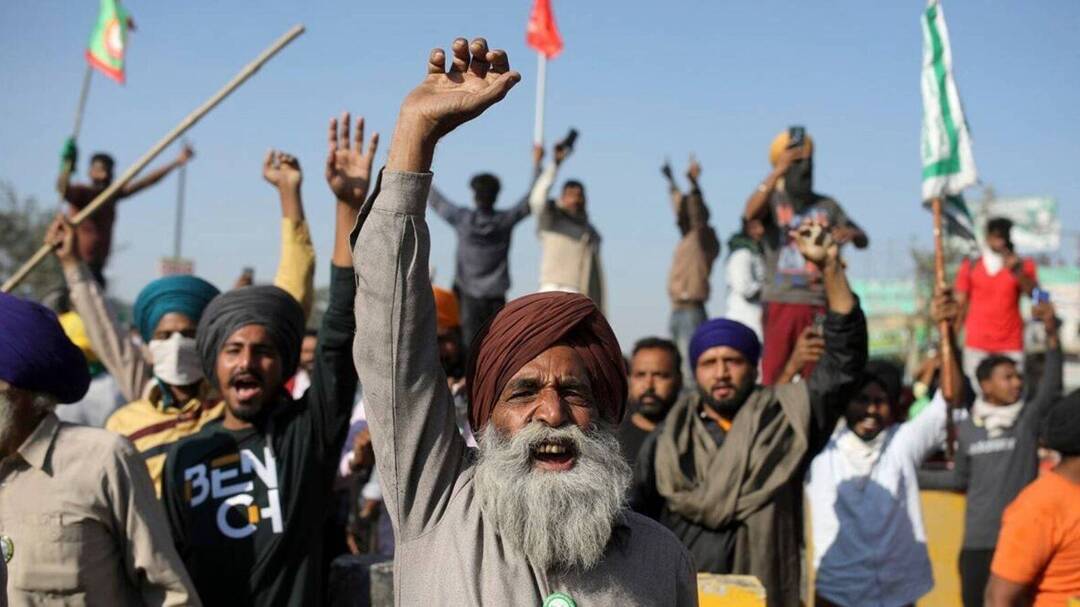
Farmers to hold nationwide protests over India-US trade deal on Feb 12
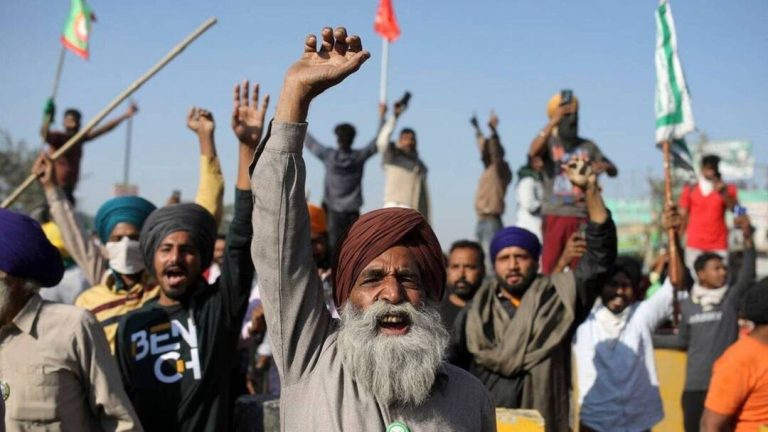
The Indian farming community is once again gearing up for a major showdown with the government, this time over the recent India-US trade deal. Samyukt Kisan Morcha (SKM), All India Kisan Sabha (AIKS), and several other farmers’ organizations have announced plans to stage nationwide protests on February 12 against the deal. The SKM has termed the interim agreement as a “total surrender” of India’s agriculture and farmers to American MNCs, and has demanded the resignation of Union Minister Piyush Goyal over the matter.
The India-US trade deal, which was finalized recently, has been met with widespread criticism from farmers’ organizations across the country. The deal is expected to have far-reaching implications for India’s agriculture sector, and many farmers believe that it will lead to the exploitation of Indian farmers by American multinational corporations (MNCs). The SKM, which is a coalition of over 40 farmers’ organizations, has been at the forefront of the opposition to the deal, and has been mobilizing farmers across the country to join the protests on February 12.
The SKM has accused the government of betraying the trust of Indian farmers by signing the deal without consulting them or taking their interests into account. The organization has also alleged that the deal will lead to the flooding of the Indian market with cheap American agricultural products, which will lead to a decline in the incomes of Indian farmers. The SKM has demanded that the government withdraw the deal and engage in fresh negotiations with farmers’ organizations to ensure that the interests of Indian farmers are protected.
The All India Kisan Sabha (AIKS), which is one of the largest farmers’ organizations in the country, has also come out strongly against the deal. The AIKS has accused the government of trying to “hand over” the Indian agriculture sector to American MNCs, and has demanded that the deal be scrapped. The organization has also announced plans to join the nationwide protests on February 12, and has called upon farmers across the country to participate in the protests.
The opposition to the India-US trade deal is not limited to farmers’ organizations alone. Many political parties, including the Congress and the Left parties, have also come out against the deal. The parties have accused the government of compromising the interests of Indian farmers and have demanded that the deal be withdrawn. The opposition parties have also announced plans to support the nationwide protests on February 12, and have called upon their workers and supporters to participate in the protests.
The nationwide protests on February 12 are expected to be one of the largest mobilizations of farmers in recent years. The SKM and other farmers’ organizations have been mobilizing farmers across the country, and thousands of farmers are expected to participate in the protests. The protests will be held in cities and towns across the country, and will include rallies, demonstrations, and sit-ins.
The government, on the other hand, has defended the India-US trade deal, saying that it will benefit Indian farmers and help to increase their incomes. The government has also accused the opposition parties and farmers’ organizations of trying to “mislead” farmers and “politicize” the issue. However, the government’s arguments have failed to convince many farmers, who believe that the deal will harm their interests and lead to the exploitation of Indian agriculture.
In conclusion, the nationwide protests on February 12 against the India-US trade deal are a reflection of the deep-seated concerns and anxieties of the Indian farming community. The protests are a call to action, a demand that the government listen to the concerns of farmers and protect their interests. The government would do well to take the protests seriously and engage in a meaningful dialogue with farmers’ organizations to address their concerns. Anything less would be a betrayal of the trust of Indian farmers, and could have far-reaching consequences for the country’s agriculture sector.
About the Author