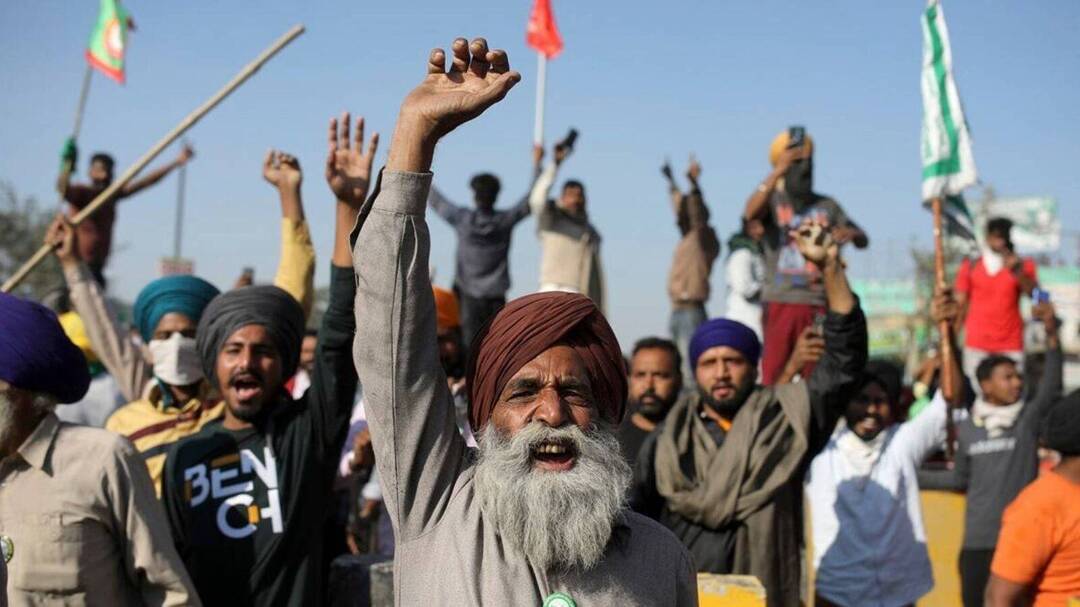
Farmers to hold nationwide protests over India-US trade deal on Feb 12
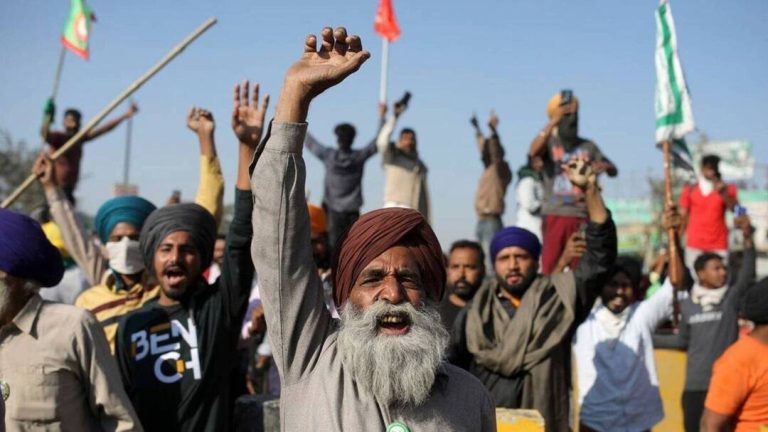
The Indian farming community is once again gearing up for a massive nationwide protest, this time against the recently announced India-US trade deal. The Samyukt Kisan Morcha (SKM), All India Kisan Sabha (AIKS), and several other farmers’ organisations have joined forces to stage protests across the country on February 12. The move comes as a response to the interim trade deal between India and the United States, which the farmers’ bodies claim is a “total surrender” of India’s agriculture and farmers to American multinational corporations (MNCs).
The SKM, a coalition of farmers’ unions, has been at the forefront of the agitation against the India-US trade deal. The organisation has been vehemently opposing the deal, claiming that it will have far-reaching and devastating consequences for the Indian farming community. According to the SKM, the deal will allow American MNCs to flood the Indian market with cheap, subsidised agricultural products, thereby threatening the livelihoods of millions of Indian farmers.
The farmers’ organisations have also demanded the resignation of Union Minister Piyush Goyal, who has been instrumental in negotiating the trade deal with the US. The SKM has accused Goyal of betraying the trust of Indian farmers and compromising the country’s agricultural sovereignty. The organisation has also alleged that the deal is a result of the government’s cosy relationship with American MNCs, which will only serve to further the interests of corporate America at the expense of Indian farmers.
The nationwide protests on February 12 are expected to be a massive show of strength by the Indian farming community. Farmers from all across the country are expected to participate in the protests, which will be held in various cities and towns. The protests will be a culmination of the ongoing agitation against the India-US trade deal, which has been gaining momentum over the past few weeks.
The SKM has also announced plans to hold a series of rallies and demonstrations in the run-up to the February 12 protests. The organisation will be holding meetings and rallies in various states, including Punjab, Haryana, and Maharashtra, to mobilise support for the protests. The farmers’ organisations have also appealed to the general public to join the protests and show their solidarity with the Indian farming community.
The India-US trade deal has been a contentious issue, with many experts and farmers’ organisations expressing concerns about its potential impact on Indian agriculture. The deal is expected to increase trade between the two countries, but many fear that it will also lead to the dumping of cheap, subsidised American agricultural products in the Indian market. This, in turn, could threaten the livelihoods of millions of Indian farmers, who are already struggling to make ends meet.
The Indian government has, however, defended the trade deal, claiming that it will benefit the country’s farmers and boost agricultural exports. The government has also assured that the deal will not compromise India’s agricultural sovereignty and that the interests of Indian farmers will be protected.
Despite the government’s assurances, the farmers’ organisations remain sceptical about the deal. The SKM and other farmers’ organisations have demanded that the government make the terms of the deal public and engage in a broader consultation with farmers’ organisations and other stakeholders. The organisations have also demanded that the government take steps to protect the interests of Indian farmers and ensure that the deal does not harm the country’s agricultural sector.
In conclusion, the nationwide protests on February 12 are a significant development in the ongoing agitation against the India-US trade deal. The protests reflect the deep-seated concerns and anxieties of the Indian farming community about the potential impact of the deal on their livelihoods. The government must take the concerns of the farmers’ organisations seriously and engage in a meaningful dialogue to address their concerns. The government must also ensure that the interests of Indian farmers are protected and that the deal does not compromise the country’s agricultural sovereignty.
As the protests on February 12 approach, the Indian government must be prepared to face the wrath of the farming community. The government must take concrete steps to address the concerns of the farmers’ organisations and ensure that the India-US trade deal does not harm the country’s agricultural sector. The fate of millions of Indian farmers hangs in the balance, and the government must act quickly to allay their fears and concerns.
About the Author