Farmers to hold nationwide protests over India-US trade deal on Feb 12
The Indian farming community is once again gearing up for a massive nationwide protest, this time against the recently announced India-US trade deal. The Samyukt Kisan Morcha (SKM), All India Kisan Sabha (AIKS), and several other prominent farmers’ organizations have joined forces to stage a nationwide protest on February 12, opposing the interim trade agreement between India and the United States. The SKM has vehemently criticized the deal, labeling it a “total surrender” of India’s agriculture and farmers to American multinational corporations (MNCs).
The India-US trade deal, which was announced recently, has sparked widespread concern among Indian farmers, who fear that the agreement will lead to the influx of cheap American agricultural products, thereby threatening their livelihoods. The farmers’ organizations have been vocal about their opposition to the deal, claiming that it will have devastating consequences for the Indian agricultural sector. They argue that the agreement will allow American MNCs to dominate the Indian market, leading to the exploitation of Indian farmers and the destruction of the country’s agricultural economy.
The SKM, which is a coalition of various farmers’ organizations, has been at the forefront of the protest against the India-US trade deal. The organization has accused the Indian government of betraying the trust of farmers by signing the agreement without consulting them. The SKM has also demanded the resignation of Union Minister Piyush Goyal, who is responsible for negotiating the trade deal. The organization has alleged that Goyal has failed to protect the interests of Indian farmers and has instead prioritized the interests of American MNCs.
The All India Kisan Sabha (AIKS), another prominent farmers’ organization, has also expressed its strong opposition to the India-US trade deal. The AIKS has argued that the agreement will lead to the displacement of Indian farmers and the destruction of the country’s agricultural economy. The organization has also accused the Indian government of ignoring the concerns of farmers and prioritizing the interests of corporate giants.
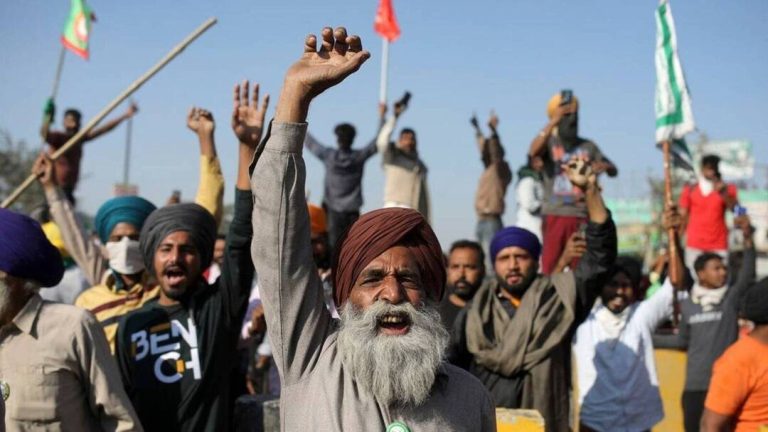
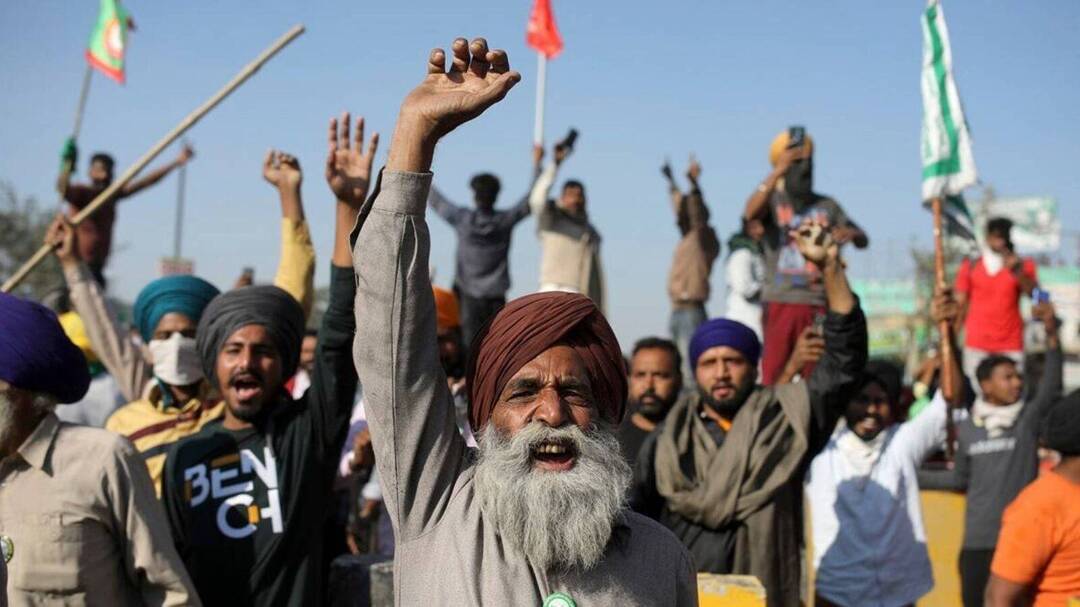
The nationwide protest on February 12 is expected to be a massive show of strength by the Indian farming community. Farmers from all over the country are expected to participate in the protest, which will be held in various cities and towns. The protest will be a culmination of the ongoing agitation against the India-US trade deal, which has been building up over the past few weeks.
The Indian government has been facing mounting pressure from farmers’ organizations to reconsider the trade deal. The government has been accused of ignoring the concerns of farmers and prioritizing the interests of corporate giants. The opposition parties have also been critical of the government’s handling of the trade deal, with many accusing the government of betraying the trust of farmers.
The India-US trade deal has been a contentious issue in India, with many arguing that it will have far-reaching consequences for the country’s agricultural economy. The deal has been seen as a major victory for American MNCs, which have been trying to gain access to the Indian market for years. However, the deal has been opposed by Indian farmers, who fear that it will lead to the displacement of small and marginal farmers and the destruction of the country’s agricultural economy.
In conclusion, the nationwide protest on February 12 is a clear indication of the strong opposition to the India-US trade deal among Indian farmers. The protest is expected to be a massive show of strength by the farming community, which is determined to protect its interests and livelihoods. The Indian government would do well to listen to the concerns of farmers and reconsider the trade deal, which has been widely criticized as a “total surrender” of India’s agriculture and farmers to American MNCs.
The protest is also a reminder of the ongoing struggle of Indian farmers, who have been fighting for their rights and livelihoods for years. The Indian government has a responsibility to protect the interests of farmers and ensure that they are not exploited by corporate giants. The government must take immediate action to address the concerns of farmers and ensure that the India-US trade deal is renegotiated to protect the interests of Indian farmers.
As the nation prepares for the nationwide protest on February 12, it is clear that the issue of the India-US trade deal is not going to go away anytime soon. The protest is expected to be a major milestone in the ongoing agitation against the trade deal, and it will be interesting to see how the government responds to the demands of farmers. One thing is certain, however – the Indian farming community will not give up its fight to protect its interests and livelihoods.
About the Author