Farmers to hold nationwide protests over India-US trade deal on Feb 12
The agricultural sector in India has been a topic of discussion for quite some time now, with the government’s policies and decisions affecting the livelihoods of millions of farmers across the country. The latest development in this regard is the India-US trade deal, which has sparked widespread criticism and outrage among farmers’ organizations. The Samyukt Kisan Morcha (SKM) and the All India Kisan Sabha (AIKS), along with several other farmers’ organizations, have announced plans to stage nationwide protests on February 12 against the trade deal.
The SKM has claimed that the interim deal is a “total surrender” of India’s agriculture and farmers to American MNCs. This statement reflects the deep-seated concerns and fears of the farming community, who feel that the deal will have far-reaching and devastating consequences for their livelihoods. The organization has also demanded the resignation of Union Minister Piyush Goyal over the matter, citing his role in negotiating the deal.
The India-US trade deal has been in the works for several months now, with both countries engaged in intense negotiations to iron out their differences and reach a mutually beneficial agreement. However, the fine print of the deal has raised several red flags, particularly with regards to the agricultural sector. The deal is expected to increase market access for American agricultural products in India, which could lead to a surge in imports and a subsequent decline in domestic production.
The farmers’ organizations are worried that the deal will lead to the flooding of the Indian market with cheap American agricultural products, which will make it difficult for domestic farmers to compete. This could lead to a decline in farmers’ incomes, making it even more challenging for them to sustain their livelihoods. The organizations are also concerned that the deal will lead to the exploitation of Indian farmers by American MNCs, who will be able to dictate terms and prices, leaving the farmers with little bargaining power.
The SKM and AIKS have been at the forefront of the farmers’ movement in India, fighting for the rights and interests of the farming community. The organizations have been critical of the government’s policies, particularly with regards to the agricultural sector. They have been demanding better prices for farmers, improved infrastructure, and protection from exploitation by corporate entities.
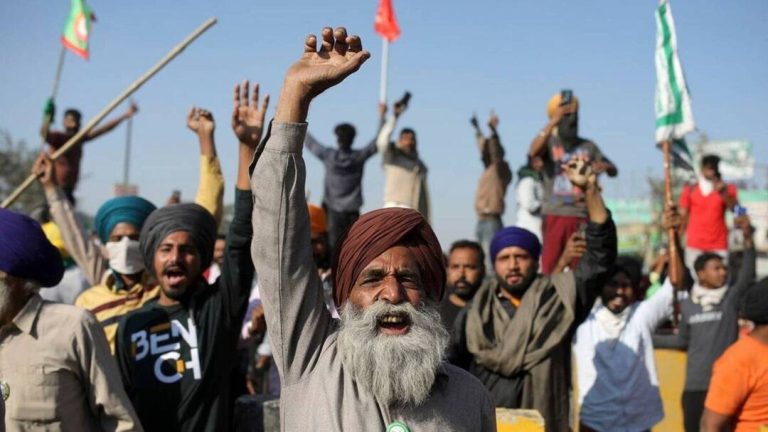
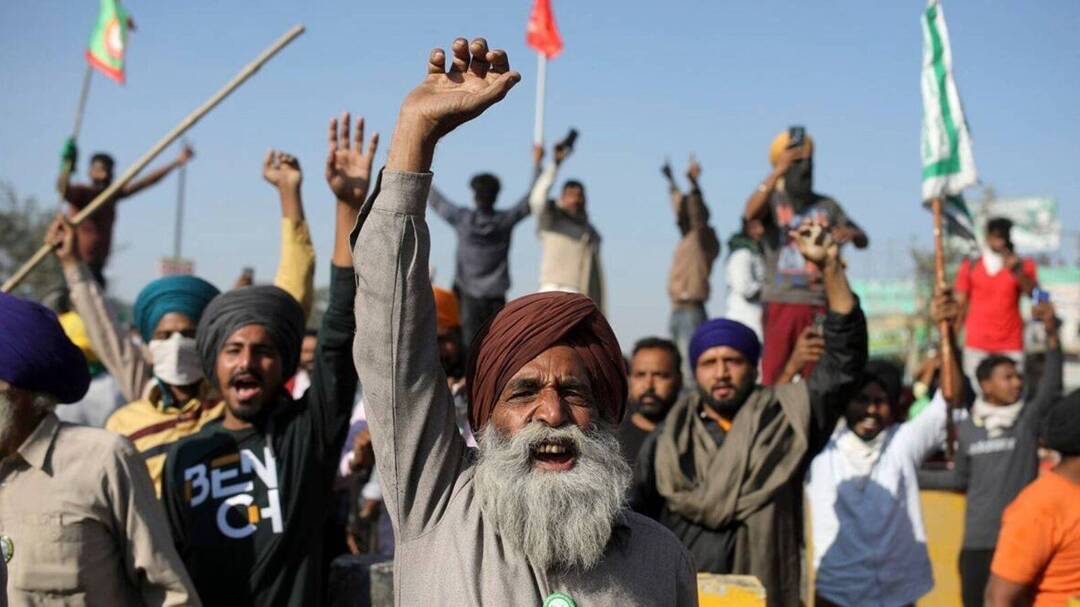
The nationwide protests on February 12 are expected to be a major show of strength by the farmers’ organizations, with thousands of farmers and activists participating in rallies and demonstrations across the country. The protests will be an opportunity for the farmers to express their anger and frustration with the government’s policies and to demand justice and fair play.
The India-US trade deal is a complex and multifaceted issue, with different stakeholders having different interests and perspectives. While the government may argue that the deal is necessary to boost economic growth and increase trade, the farmers’ organizations are concerned that the deal will have a negative impact on the agricultural sector and the livelihoods of farmers.
The protests on February 12 will be an important milestone in the farmers’ movement, as it will bring attention to the issues and concerns of the farming community. The government will be forced to listen to the demands of the farmers and to take their concerns seriously. The protests will also be an opportunity for the farmers to mobilize public opinion and to build support for their cause.
In conclusion, the India-US trade deal has sparked widespread criticism and outrage among farmers’ organizations, who are concerned that the deal will have a negative impact on the agricultural sector and the livelihoods of farmers. The nationwide protests on February 12 will be an important show of strength by the farmers’ organizations, as they demand justice and fair play. The government must listen to the concerns of the farmers and take their demands seriously, in order to avoid further unrest and agitation.
The farmers’ movement in India is a powerful and important force, which has the potential to bring about significant changes in the country’s agricultural policies. The protests on February 12 will be an important step in this direction, as the farmers’ organizations fight for their rights and interests. The government must recognize the importance of the agricultural sector and the contribution of farmers to the country’s economy, and take steps to protect and promote their interests.
As the country prepares for the nationwide protests on February 12, it is clear that the India-US trade deal is a highly contentious and sensitive issue. The government must be careful and cautious in its approach, and must take the concerns of the farmers’ organizations seriously. The protests will be an opportunity for the government to engage with the farmers and to address their concerns, and to find a solution that is fair and equitable for all stakeholders.
The farmers’ movement in India is a testament to the power and resilience of the farming community, who are determined to fight for their rights and interests. The nationwide protests on February 12 will be an important milestone in this movement, as the farmers’ organizations demand justice and fair play. The government must listen to the concerns of the farmers and take their demands seriously, in order to avoid further unrest and agitation.
About the Author