UK scientists create shape-shifting jelly robot that moves with electric fields
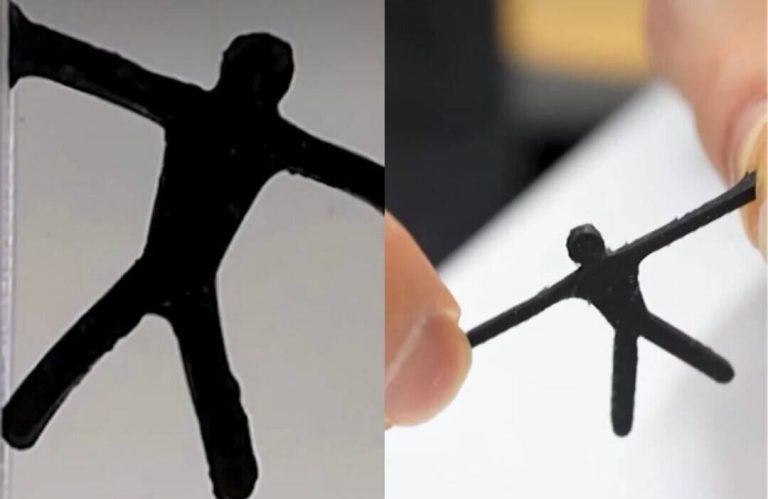
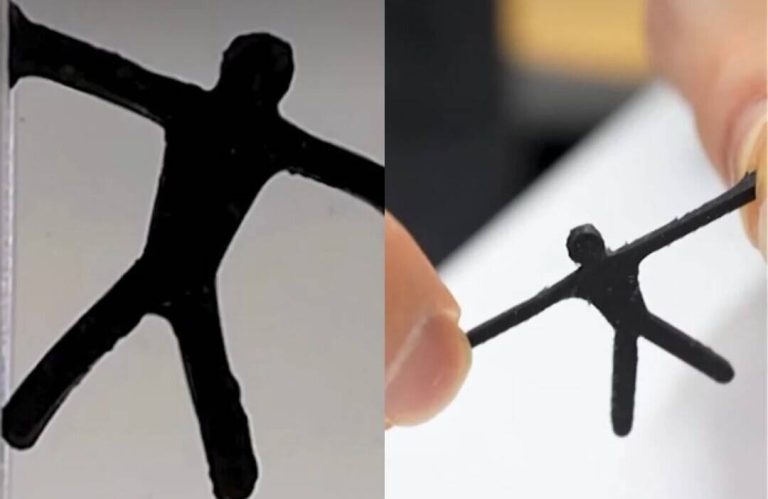
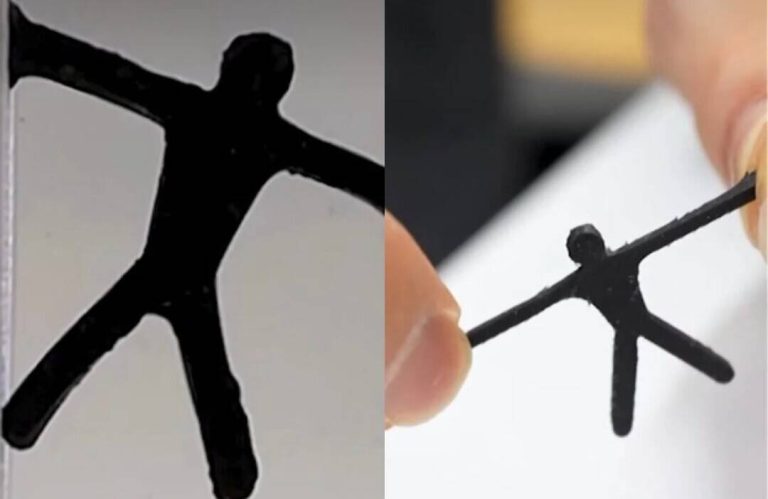
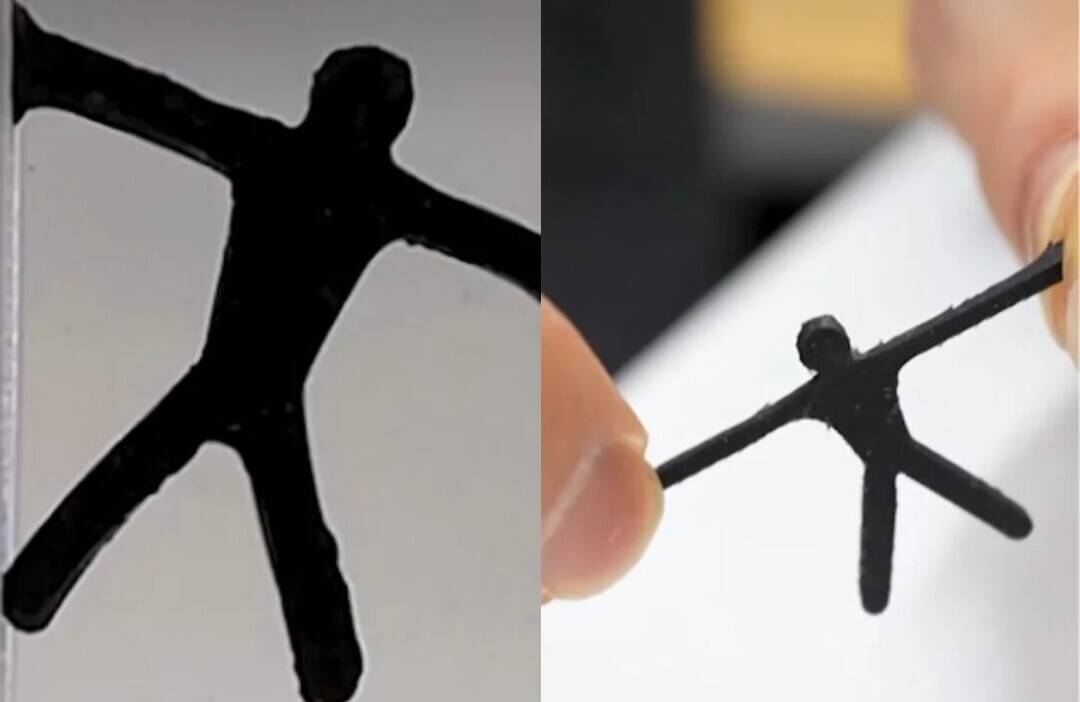
In a groundbreaking development, British researchers have successfully created a soft, jelly-like robot that can move and change shape using external electric fields, eliminating the need for traditional motors or joints. Designed by a team of scientists at the University of Bristol, this innovative robot has the ability to reshape its body to bend, stretch, and move in various directions. According to experts, this revolutionary technology could potentially aid in exploration and navigation in tight, fragile, or hazardous environments.
The concept of a shape-shifting robot may seem like something out of a science fiction movie, but the University of Bristol team has made it a reality. By using a unique combination of materials and electric fields, the robot can alter its shape and move without the need for any mechanical components. This is achieved through the use of a soft, transparent jelly-like substance that is responsive to electric fields. When an electric field is applied, the substance changes its shape, allowing the robot to move and bend in various directions.
One of the most significant advantages of this technology is its potential to navigate and explore environments that are inaccessible or hazardous for traditional robots. For example, in search and rescue missions, this robot could be used to navigate through rubble or debris to locate survivors. Similarly, in medical applications, it could be used to navigate through the human body to deliver medication or perform surgeries.
The development of this shape-shifting robot is a significant breakthrough in the field of robotics, and it has the potential to revolutionize the way we approach exploration and navigation in various environments. The use of electric fields to control the movement and shape of the robot is a game-changer, as it eliminates the need for bulky and heavy mechanical components. This makes the robot lightweight, flexible, and adaptable, allowing it to navigate through tight spaces and fragile environments with ease.
The University of Bristol team has demonstrated the capabilities of the robot in a series of experiments, where it was able to move and change shape in response to electric fields. The robot was able to bend, stretch, and move in various directions, demonstrating its potential for navigation and exploration. The team has also shown that the robot can be controlled remotely, allowing it to be operated in a variety of environments.
The potential applications of this technology are vast and varied. In addition to search and rescue missions and medical applications, it could also be used in environmental monitoring, space exploration, and industrial inspection. The ability of the robot to navigate through tight spaces and fragile environments makes it an ideal candidate for applications where traditional robots are not feasible.
The development of this shape-shifting robot is a testament to the innovative spirit and technological prowess of the University of Bristol team. Their work has the potential to transform the field of robotics and open up new possibilities for exploration and navigation. As researchers continue to refine and improve this technology, we can expect to see even more exciting developments in the future.
In conclusion, the creation of a shape-shifting jelly robot that moves with electric fields is a groundbreaking achievement that has the potential to revolutionize the field of robotics. With its ability to navigate through tight spaces and fragile environments, this robot could aid in exploration and navigation in a variety of applications. As researchers continue to push the boundaries of this technology, we can expect to see even more innovative developments in the future.
About the Author