Farmers to hold nationwide protests over India-US trade deal on Feb 12
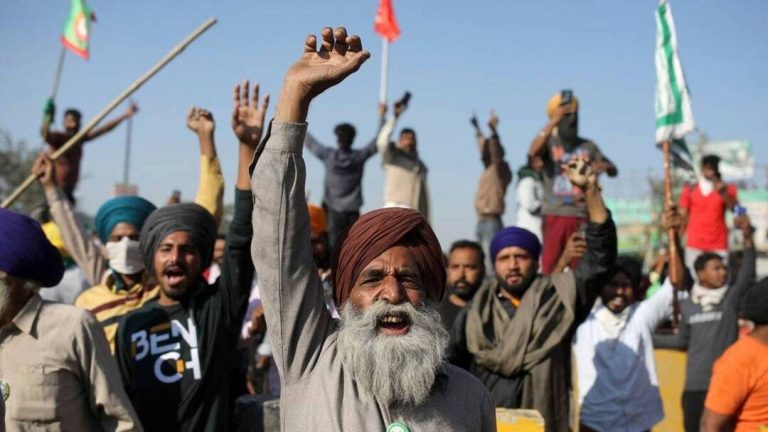
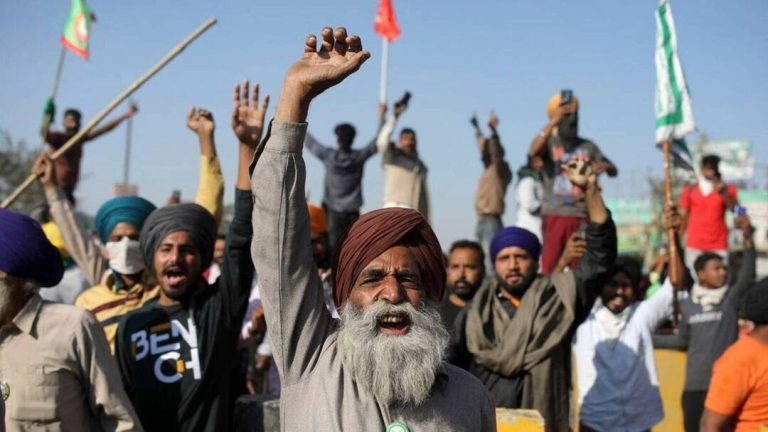
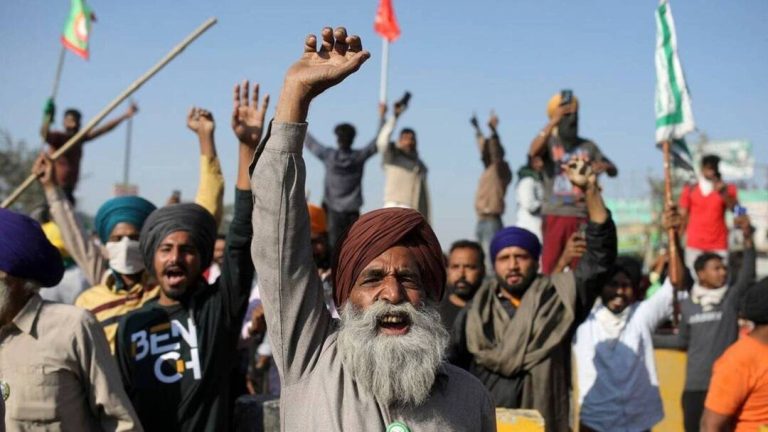
The Indian farming community is gearing up for a nationwide protest on February 12, as various farmers’ organizations have announced plans to stage demonstrations against the recently announced India-US trade deal. The Samyukt Kisan Morcha (SKM) and the All India Kisan Sabha (AIKS), along with several other farmers’ outfits, have expressed strong opposition to the interim deal, claiming that it will have devastating effects on India’s agriculture and farming sector.
According to the SKM, the India-US trade deal is a “total surrender” of India’s agriculture and farmers to American multinational corporations (MNCs). The organization has accused the Indian government of compromising the interests of the country’s farmers and agricultural sector, in order to appease the United States. The SKM has demanded that the Union Minister of Commerce and Industry, Piyush Goyal, resign over the matter, citing his failure to protect the interests of Indian farmers.
The India-US trade deal has been a topic of controversy since its announcement, with many farmers’ organizations and experts expressing concerns about its potential impact on India’s agricultural sector. The deal is expected to increase the import of American agricultural products, such as apples, almonds, and walnuts, into India, which could potentially harm the domestic market for these products. Additionally, the deal may also lead to the increased importation of genetically modified (GM) crops, which many farmers and experts believe could have negative consequences for India’s agricultural biodiversity and ecosystem.
The SKM and other farmers’ organizations have argued that the India-US trade deal will benefit American MNCs at the expense of Indian farmers. They claim that the deal will lead to the exploitation of Indian farmers, who will be forced to compete with heavily subsidized American agricultural products. This, they argue, will lead to a decline in the incomes of Indian farmers, who are already struggling to make ends meet.
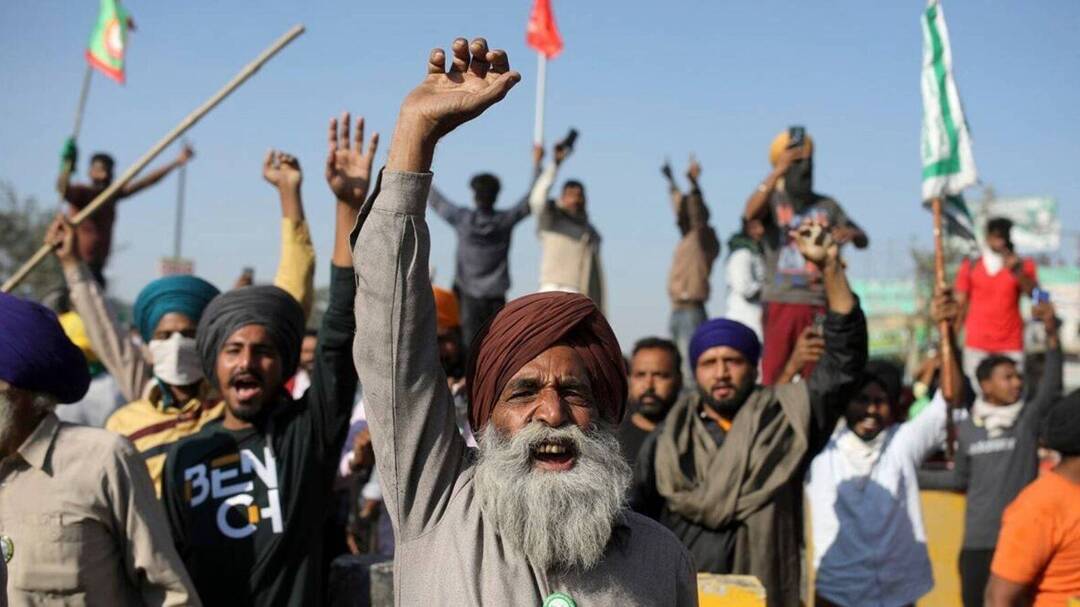
The nationwide protests on February 12 are expected to be a major show of strength by the Indian farming community, with thousands of farmers and agricultural workers expected to participate. The protests will be held in various cities and towns across the country, with the aim of drawing attention to the concerns of the farming community and pressuring the government to reconsider the India-US trade deal.
The AIKS, which is one of the largest farmers’ organizations in India, has also expressed strong opposition to the deal. The organization has accused the Indian government of betraying the trust of the country’s farmers, who had voted for the current government in the hope that it would protect their interests. The AIKS has demanded that the government immediately withdraw from the deal and engage in consultations with farmers’ organizations to develop a new trade policy that prioritizes the interests of Indian farmers.
The protests on February 12 are not just about the India-US trade deal, but also about the broader issues facing the Indian farming community. Many farmers are struggling to make ends meet, due to low incomes, high debt levels, and a lack of access to credit and other resources. The protests are also a call for the government to address these issues and to develop policies that prioritize the welfare of farmers and the agricultural sector.
In recent years, the Indian farming community has been hit hard by a combination of factors, including drought, crop failures, and low prices for their produce. Many farmers have been forced to take loans from moneylenders and other private sources, at exorbitant interest rates, in order to survive. The government has introduced several initiatives to support farmers, including the Pradhan Mantri Kisan Samman Nidhi (PM-KISAN) scheme, which provides direct income support to farmers. However, many farmers’ organizations argue that these initiatives are insufficient and that more needs to be done to address the structural issues facing the agricultural sector.
The nationwide protests on February 12 are a call to action for the Indian government to take the concerns of the farming community seriously and to develop policies that prioritize their welfare. The protests are also a reminder that the Indian farming community will no longer be ignored or marginalized, and that they will fight to protect their rights and interests.
In conclusion, the India-US trade deal has sparked widespread protests and opposition from the Indian farming community, with many farmers’ organizations accusing the government of betraying their trust and compromising their interests. The nationwide protests on February 12 are a major show of strength by the farming community, and a call to action for the government to reconsider the deal and develop policies that prioritize the welfare of Indian farmers.
About the Author