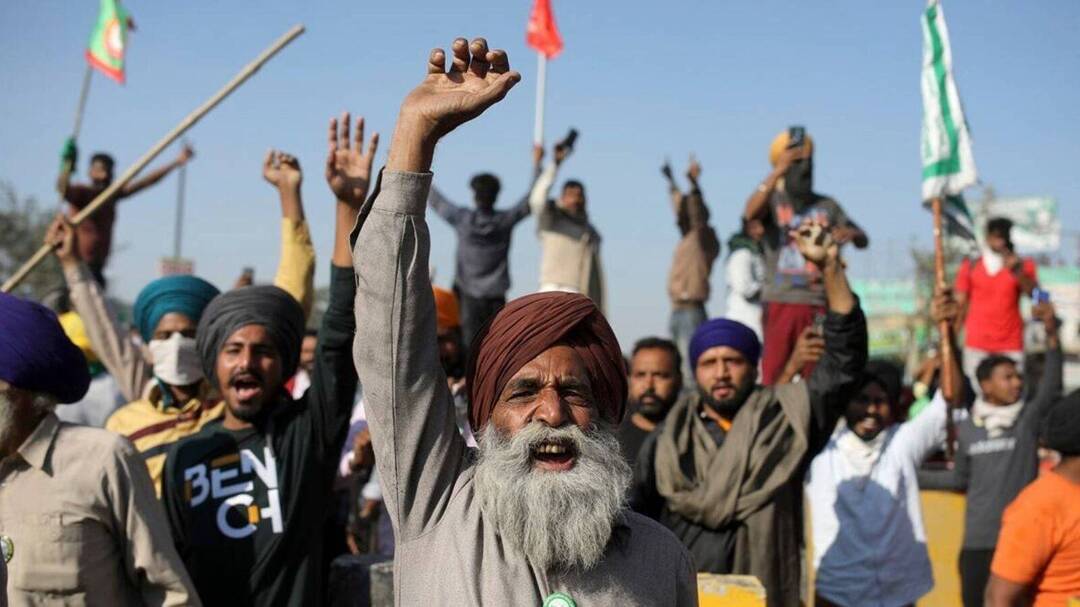
Farmers to hold nationwide protests over India-US trade deal on Feb 12
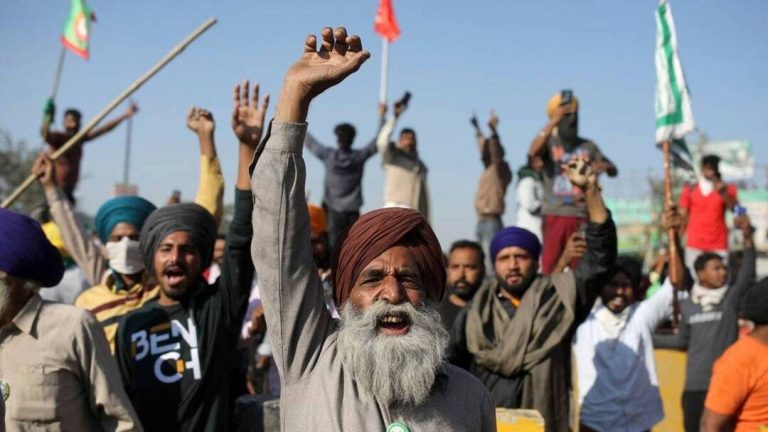
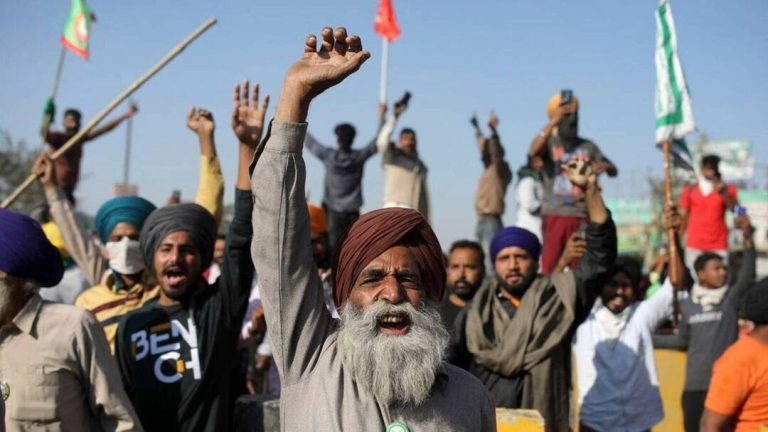
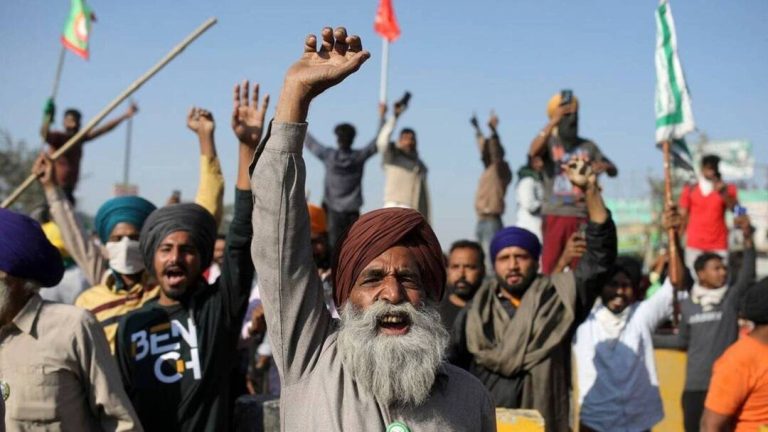
The Indian farming community is bracing for a nationwide protest on February 12, as several farmers’ organizations, including the Samyukt Kisan Morcha (SKM) and the All India Kisan Sabha (AIKS), have announced plans to stage demonstrations against the India-US trade deal. The interim deal, which was recently announced, has been met with widespread criticism from farmers and their representatives, who claim that it is a “total surrender” of India’s agriculture and farmers to American multinational corporations (MNCs).
According to the SKM, the trade deal is a betrayal of the trust of Indian farmers, who have been struggling to make ends meet in the face of rising costs, dwindling profits, and uncertain market conditions. The organization has accused the government of sacrificing the interests of Indian farmers at the altar of American corporate interests, and has demanded the resignation of Union Minister Piyush Goyal, who is seen as the architect of the deal.
The SKM has also raised concerns about the potential impact of the trade deal on Indian agriculture, which is already facing significant challenges. The organization has pointed out that the deal will allow American MNCs to dump cheap, subsidized agricultural products in the Indian market, which will further erode the livelihoods of Indian farmers. The SKM has also expressed fears that the deal will lead to the displacement of small and marginal farmers, who are already struggling to survive in a highly competitive market.
The All India Kisan Sabha (AIKS) has also joined the chorus of protests against the trade deal, accusing the government of “selling out” Indian farmers to American corporate interests. The AIKS has pointed out that the deal will benefit only a small section of large farmers and corporate interests, while leaving the majority of small and marginal farmers to fend for themselves.
The nationwide protests on February 12 are expected to be a major show of strength by the farming community, with thousands of farmers and their representatives expected to participate in demonstrations and rallies across the country. The protests will be held in major cities and towns, including Delhi, Mumbai, Kolkata, and Chennai, and will feature speeches, slogans, and other forms of protest.
The farmers’ organizations have also announced plans to submit memorandums to the government, outlining their demands and grievances. The memorandums will call for the withdrawal of the trade deal, and will demand that the government take immediate action to address the concerns of Indian farmers.
The India-US trade deal has been in the works for several years, with both countries engaging in intense negotiations to reach a mutually beneficial agreement. However, the deal has been met with significant opposition from Indian farmers and their representatives, who fear that it will harm their interests and livelihoods.
The government has defended the deal, saying that it will benefit Indian farmers by increasing their access to the American market. However, the farmers’ organizations have disputed this claim, saying that the deal will only benefit a small section of large farmers and corporate interests.
As the protests on February 12 approach, the government is likely to face significant pressure from the farming community to reconsider the trade deal. The farmers’ organizations have made it clear that they will not back down until their demands are met, and that they will continue to protest until the government takes action to address their concerns.
In conclusion, the nationwide protests on February 12 are a significant development in the ongoing saga of the India-US trade deal. The protests reflect the deep-seated concerns and fears of the Indian farming community, who feel that the deal will harm their interests and livelihoods. As the government grapples with the fallout of the deal, it remains to be seen whether it will be able to address the concerns of Indian farmers and find a way to balance their interests with those of American corporate interests.
About the Author