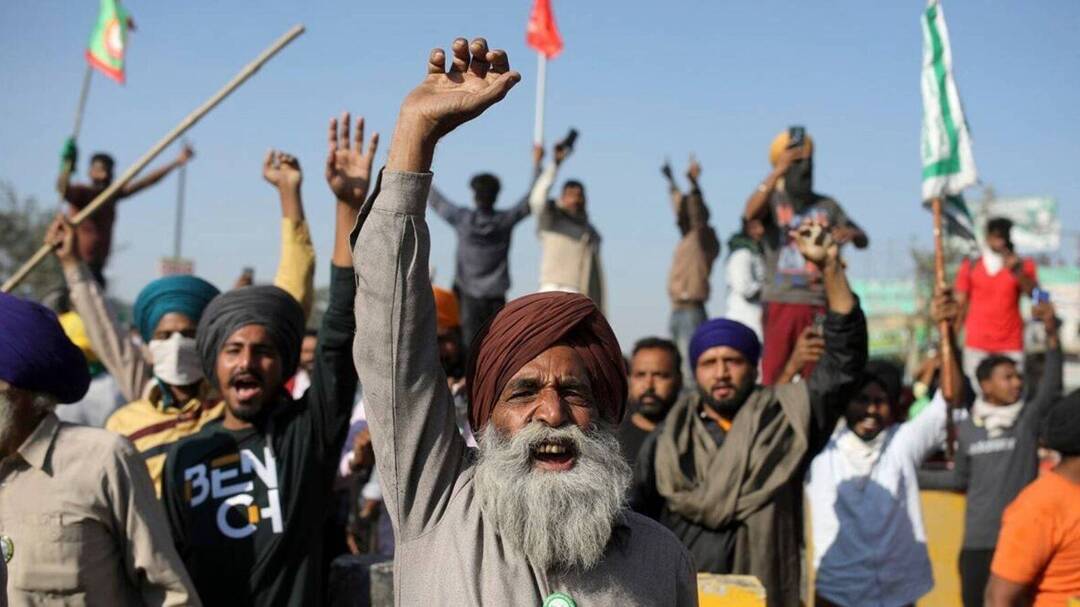
Farmers to hold nationwide protests over India-US trade deal on Feb 12
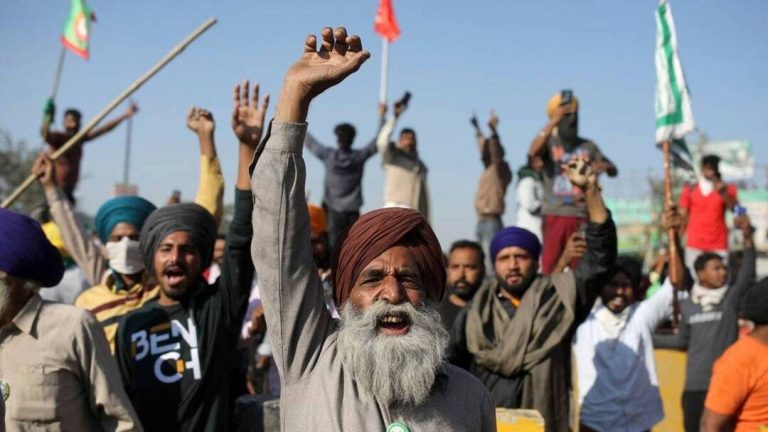
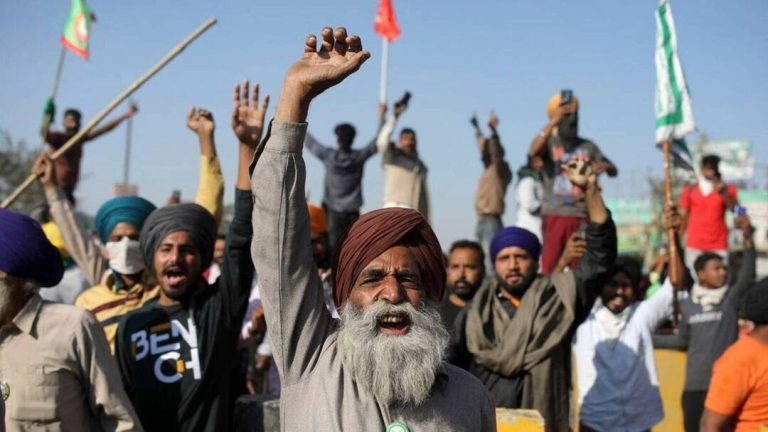
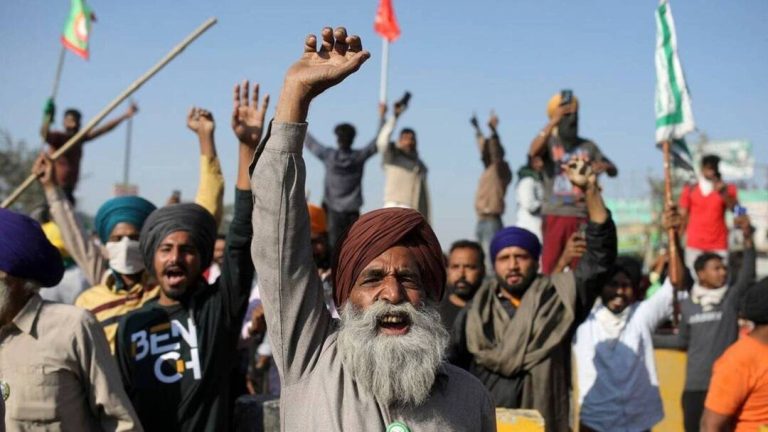
The Indian farming community is once again gearing up for a nationwide protest, this time against the recently announced India-US trade deal. The Samyukt Kisan Morcha (SKM), All India Kisan Sabha (AIKS), and several other farmers’ organizations have joined forces to stage a massive protest on February 12, condemning the interim trade agreement between India and the United States. The farmers’ unions have termed the deal a “total surrender” of India’s agriculture and farmers to American multinational corporations (MNCs).
The SKM, a coalition of farmers’ organizations, has been at the forefront of the agitation against the India-US trade deal. The organization has accused the Indian government of compromising the interests of the country’s farmers and bowing down to the pressure from American MNCs. The SKM has also demanded the resignation of Union Minister Piyush Goyal, who is leading the negotiations with the US, over the matter.
The India-US trade deal has been a subject of controversy since its announcement, with many farmers’ organizations and opposition parties expressing concerns over its potential impact on the Indian agriculture sector. The deal is expected to increase the import of American agricultural products, such as apples, almonds, and poultry, which could lead to a surge in imports and hurt the domestic farmers.
The farmers’ unions have argued that the deal will benefit American corporations at the expense of Indian farmers, who are already struggling to make ends meet. They have also expressed concerns over the potential impact of the deal on the country’s food security and sovereignty. The SKM has claimed that the deal will lead to the destruction of India’s agriculture sector and the livelihoods of millions of farmers who depend on it.
The protest on February 12 is expected to be a massive show of strength by the farmers’ community, with thousands of farmers and their supporters expected to participate in rallies and demonstrations across the country. The SKM has called upon all farmers, agricultural workers, and supporters to join the protest and express their solidarity with the movement.
The AIKS, another prominent farmers’ organization, has also joined the protest, accusing the Indian government of betraying the trust of the farmers. The organization has claimed that the deal is a result of the government’s obsession with neoliberal policies and its desire to appease American corporations.
The India-US trade deal has been a subject of controversy for several months, with many opposition parties and farmers’ organizations expressing concerns over its potential impact on the Indian economy and the agriculture sector. The deal is expected to have far-reaching consequences for the Indian farming community, and the protest on February 12 is seen as a last-ditch effort to stop the deal and protect the interests of the farmers.
The SKM has also accused the Indian government of ignoring the concerns of the farmers and pushing ahead with the deal without consulting them. The organization has claimed that the deal is a result of the government’s failure to address the issues faced by the farmers, such as the rising costs of inputs, the lack of adequate price support, and the increasing indebtedness.
The protest on February 12 is expected to be a major show of strength by the farmers’ community, and it remains to be seen how the Indian government will respond to the agitation. The government has so far maintained that the deal is in the best interests of the country and the farmers, but the farmers’ unions have rejected this claim, arguing that the deal is a betrayal of the farmers’ trust.
In conclusion, the nationwide protest on February 12 is a significant development in the ongoing agitation against the India-US trade deal. The farmers’ unions have made it clear that they will not accept the deal and will continue to fight against it until their demands are met. The Indian government will have to take the concerns of the farmers seriously and address their grievances if it wants to avoid a major crisis in the agriculture sector.
The protest is a reminder that the Indian farming community is a powerful force that cannot be ignored. The farmers have shown in the past that they can mobilize millions of people and bring the country to a standstill if their demands are not met. The Indian government will have to take the protest seriously and engage with the farmers’ unions to find a solution that addresses their concerns.
As the country prepares for the nationwide protest on February 12, it remains to be seen how the Indian government will respond to the agitation. One thing is certain, however: the Indian farming community will not back down without a fight, and the protest on February 12 is just the beginning of a long and difficult struggle to protect the interests of the farmers.
About the Author