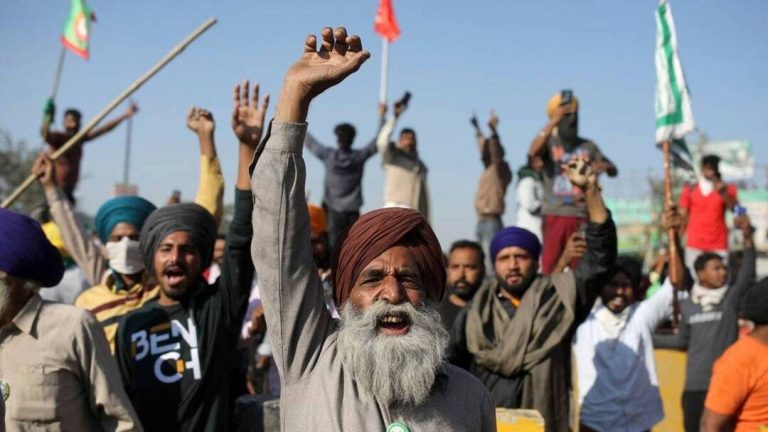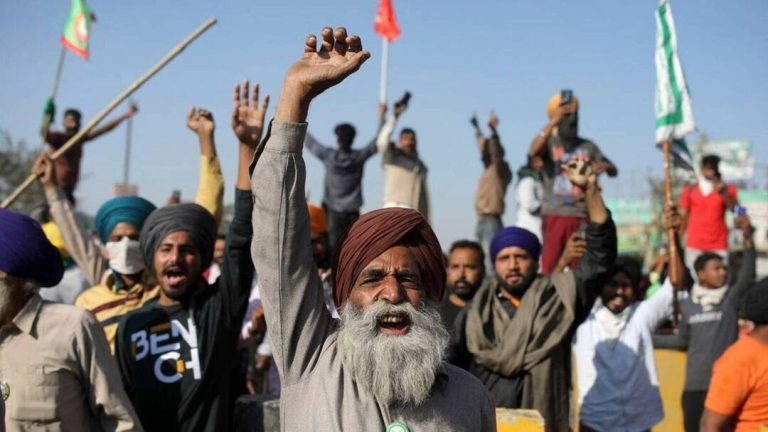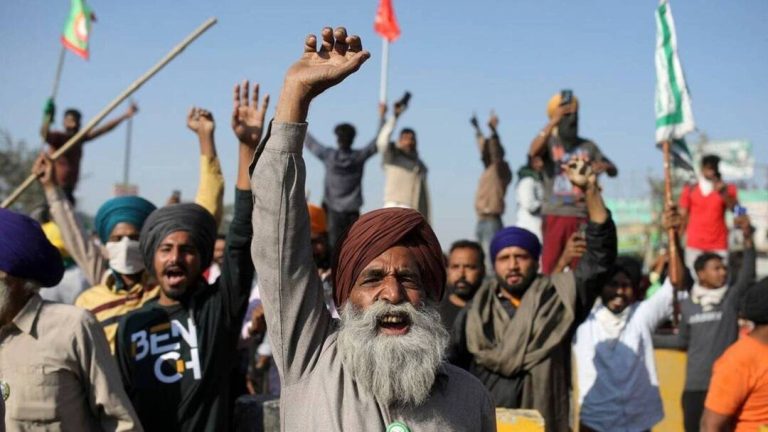
Farmers to hold nationwide protests over India-US trade deal on Feb 12
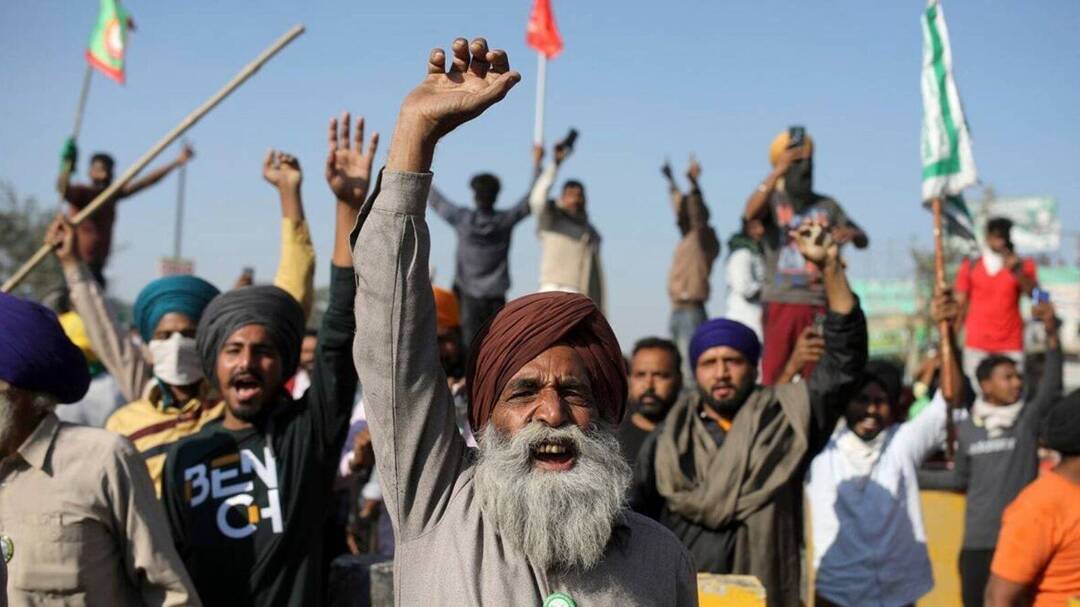
The agricultural sector in India has been a topic of discussion for quite some time now, with the government introducing various policies and reforms to improve the livelihood of farmers. However, the recent India-US trade deal has sparked controversy among farmers’ organizations, who claim that it will have a devastating impact on the country’s agriculture and farmers. In response to this, the Samyukt Kisan Morcha (SKM) and All India Kisan Sabha (AIKS), along with several other farmers’ organizations, have announced plans to stage nationwide protests on February 12 against the trade deal.
The SKM, a coalition of farmers’ organizations, has been vocal about its opposition to the India-US trade deal, claiming that it is a “total surrender” of India’s agriculture and farmers to American MNCs. The organization has expressed concerns that the deal will lead to the influx of cheap imports, which will harm the domestic agricultural industry and affect the livelihood of farmers. The SKM has also demanded the resignation of Union Minister Piyush Goyal, who has been instrumental in negotiating the trade deal.
The India-US trade deal, which was announced recently, aims to increase trade between the two countries and improve economic relations. However, farmers’ organizations have raised concerns that the deal will benefit American corporations at the expense of Indian farmers. The deal is expected to increase imports of agricultural products, such as dairy and poultry, which will compete with domestic production. This, in turn, will lead to a decline in the prices of agricultural products, making it difficult for farmers to sustain their livelihood.
The SKM and other farmers’ organizations have been protesting against the trade deal, claiming that it will have a devastating impact on the country’s agriculture and farmers. They have also accused the government of not consulting with farmers’ organizations before negotiating the deal. The organizations have demanded that the government should prioritize the interests of farmers and the domestic agricultural industry, rather than catering to the interests of American corporations.
The nationwide protests on February 12 are expected to be a major show of strength by farmers’ organizations, who are determined to make their voices heard. The protests will be held in various cities and towns across the country, with farmers and their supporters taking to the streets to express their opposition to the trade deal. The SKM and other organizations have called upon all farmers, agricultural workers, and supporters to join the protests and make it a success.
The issue of the India-US trade deal has also sparked a debate about the government’s policies and priorities. While the government has claimed that the deal will benefit the country’s economy and improve trade relations with the US, farmers’ organizations have raised concerns that it will harm the domestic agricultural industry. The government has been accused of not doing enough to support farmers and the agricultural sector, which is a critical component of the country’s economy.
In recent years, the agricultural sector has been facing several challenges, including declining prices, rising costs, and climate change. Farmers have been struggling to make ends meet, and many have been forced to take extreme measures, such as suicide, due to debt and financial stress. The government has introduced various initiatives and schemes to support farmers, but many of these have been criticized for being inadequate and ineffective.
The protests on February 12 are expected to be a major test for the government, which will have to respond to the concerns and demands of farmers’ organizations. The government will have to balance its commitment to improving trade relations with the US with the need to support and protect the domestic agricultural industry. The issue of the India-US trade deal has highlighted the need for the government to prioritize the interests of farmers and the agricultural sector, rather than catering to the interests of foreign corporations.
In conclusion, the nationwide protests on February 12 against the India-US trade deal are a significant development in the ongoing debate about the government’s policies and priorities. The protests reflect the concerns and fears of farmers’ organizations, who believe that the deal will harm the domestic agricultural industry and affect the livelihood of farmers. The government will have to respond to these concerns and take steps to address the issues raised by farmers’ organizations. The outcome of the protests and the government’s response will have significant implications for the country’s agriculture and farmers, and will shape the future of the sector.
About the Author