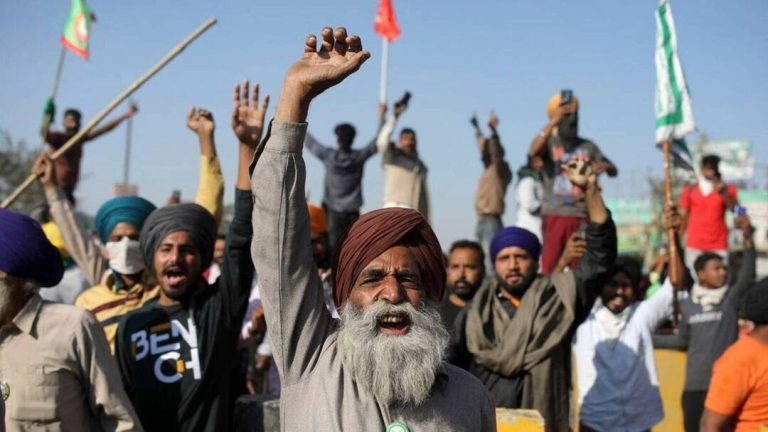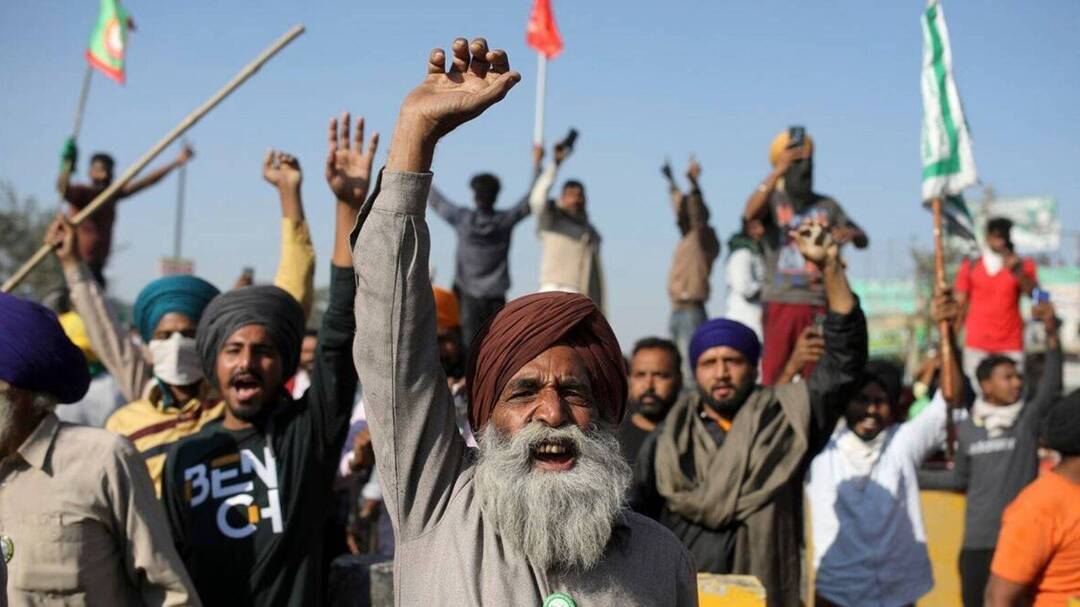
Farmers to hold nationwide protests over India-US trade deal on Feb 12
The agricultural sector in India has been a topic of discussion for quite some time now, with the government’s policies and decisions being scrutinized by farmers and their organizations. The latest development in this regard is the India-US trade deal, which has sparked widespread outrage among farmers and their outfits. The Samyukt Kisan Morcha (SKM) and the All India Kisan Sabha (AIKS), along with several other farmers’ organizations, have announced plans to stage nationwide protests on February 12 against the deal.
The SKM, which is a coalition of various farmers’ organizations, has claimed that the interim deal is a “total surrender” of India’s agriculture and farmers to American MNCs. The organization has expressed its strong opposition to the deal, stating that it will have far-reaching and devastating consequences for the Indian agricultural sector. The SKM has also demanded the resignation of Union Minister Piyush Goyal over the matter, holding him responsible for the government’s decision to sign the deal.
The India-US trade deal has been in the works for several months now, with both countries engaging in negotiations to finalize the terms of the agreement. While the government has touted the deal as a significant step forward in strengthening trade ties between the two nations, farmers and their organizations have been vocal in their opposition to it. They claim that the deal will lead to the flooding of the Indian market with cheap American agricultural products, which will spell disaster for Indian farmers.
One of the main concerns of the farmers is that the deal will allow American multinational companies (MNCs) to dominate the Indian agricultural sector. The SKM has claimed that the deal will lead to the exploitation of Indian farmers, who will be forced to compete with large American corporations that have vast resources and technological advancements at their disposal. This, the organization claims, will lead to the displacement of small and marginal farmers, who are already struggling to make ends meet.
Another concern of the farmers is that the deal will compromise India’s food security. The SKM has claimed that the deal will allow American companies to import genetically modified (GM) crops into India, which will have serious implications for the country’s food security. The organization has also expressed concerns about the impact of the deal on India’s biodiversity, claiming that it will lead to the destruction of traditional crop varieties and the loss of genetic diversity.
The nationwide protests on February 12 are expected to be a major show of strength by the farmers and their organizations. The SKM has called upon all farmers, agricultural workers, and other stakeholders to join the protests, which will be held in various cities and towns across the country. The organization has also appealed to the general public to support the protests and to stand in solidarity with the farmers.
The protests are expected to be peaceful, with farmers and their organizations planning to hold rallies, demonstrations, and other forms of protest. The SKM has also planned to submit memorandums to the government, demanding that it withdraw from the deal and engage in fresh negotiations that take into account the concerns of the farmers.
The India-US trade deal has sparked a major controversy in the country, with opinions divided on its potential impact on the agricultural sector. While the government has claimed that the deal will benefit Indian farmers, the opposition parties and farmers’ organizations have expressed strong reservations about it. The nationwide protests on February 12 are expected to be a major test of the government’s resolve, with the farmers and their organizations determined to make their voices heard.
In conclusion, the India-US trade deal has sparked widespread outrage among farmers and their organizations, who claim that it will have devastating consequences for the Indian agricultural sector. The nationwide protests on February 12 are expected to be a major show of strength by the farmers, who are determined to make their voices heard and to force the government to reconsider its decision to sign the deal. As the protests approach, all eyes will be on the government, which will be under pressure to respond to the concerns of the farmers and to find a solution that benefits all stakeholders.
About the Author