UK scientists create shape-shifting jelly robot that moves with electric fields
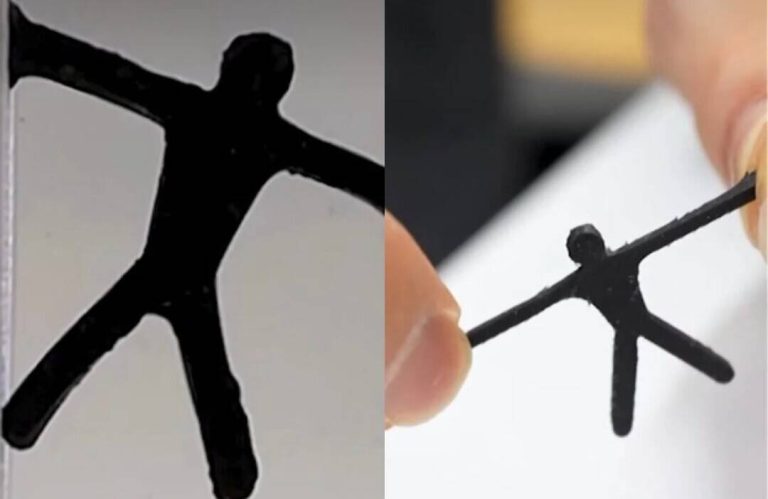
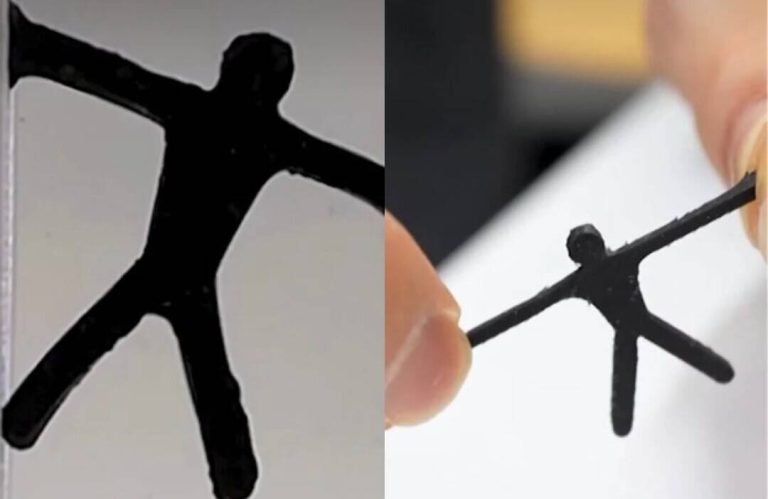
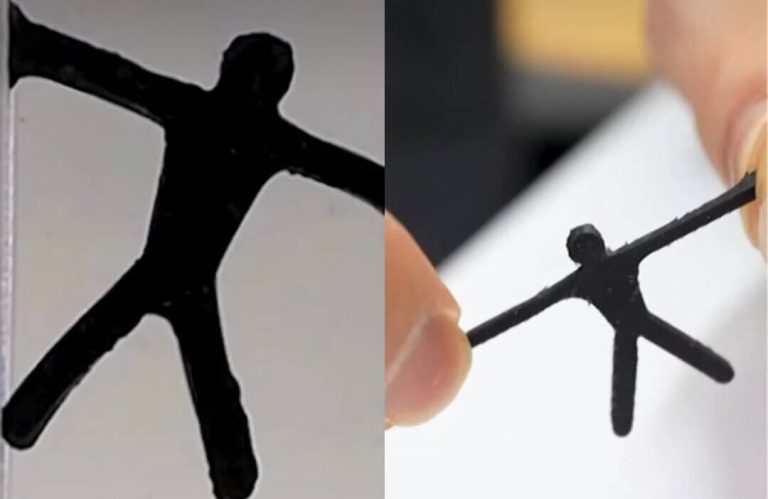
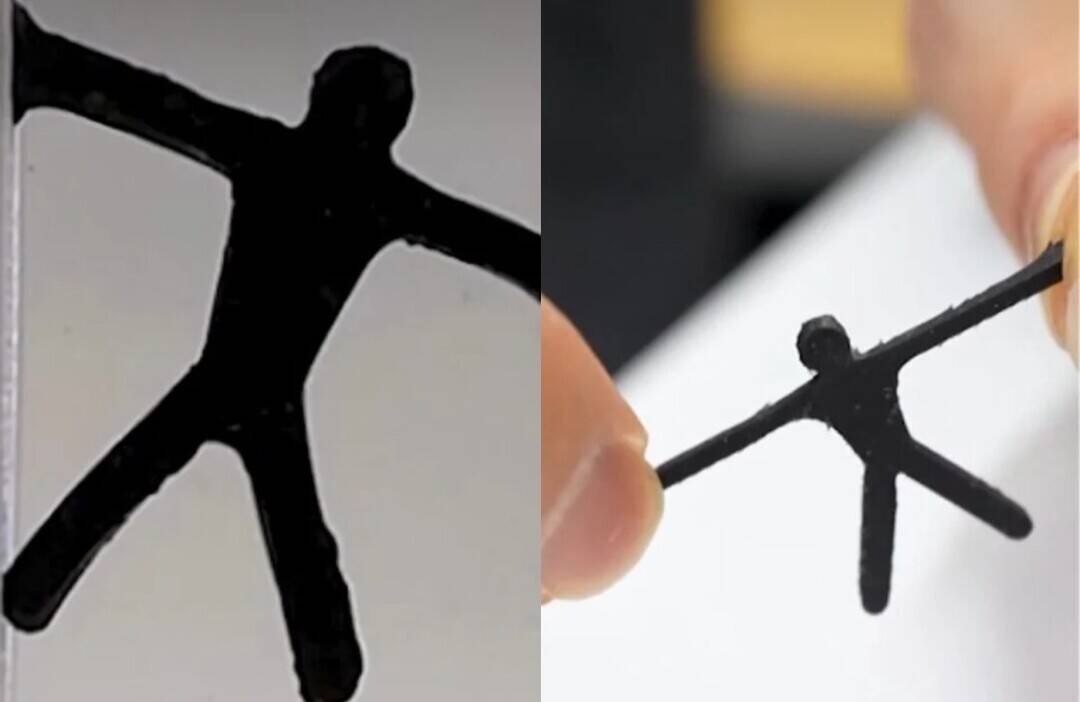
In a groundbreaking achievement, British researchers have successfully developed a soft, jelly-like robot that can move and change its shape using external electric fields. This innovative creation, designed by scientists at the University of Bristol, has the ability to reshape its body to bend, stretch, and move without the need for traditional motors or joints. The potential applications of this technology are vast, and experts believe it could aid exploration in tight, fragile, or hazardous environments.
The robot, which has been described as a “shape-shifting jelly robot,” is made from a soft, flexible material that can be manipulated using electric fields. By applying an electric field to the robot, the researchers can control its movement and shape, allowing it to navigate through complex environments with ease. This technology has the potential to revolutionize the field of robotics, enabling the creation of robots that can adapt to changing situations and environments.
One of the most significant advantages of this technology is its ability to operate in tight, fragile, or hazardous environments. Traditional robots, with their rigid bodies and joints, can be limited in their ability to navigate through confined spaces or delicate environments. The shape-shifting jelly robot, on the other hand, can easily fit through small openings and move through fragile environments without causing damage. This makes it an ideal candidate for search and rescue missions, environmental monitoring, and other applications where traditional robots may be limited.
The development of this technology is also a significant step forward in the field of soft robotics. Soft robotics involves the creation of robots that are made from flexible, pliable materials, rather than traditional rigid materials. These robots have the potential to interact with their environment in a more gentle and nuanced way, making them ideal for applications such as healthcare, food handling, and environmental monitoring. The shape-shifting jelly robot is a prime example of the potential of soft robotics, and its development is expected to inspire further innovation in this field.
The University of Bristol researchers who developed the shape-shifting jelly robot used a combination of advanced materials and electric field manipulation to create the robot’s unique abilities. The robot is made from a soft, elastomeric material that can be easily shaped and reshaped using electric fields. By applying an electric field to the material, the researchers can create a range of different shapes and movements, from bending and stretching to more complex movements such as crawling and walking.
The potential applications of this technology are vast, and the researchers are already exploring a range of different uses for the shape-shifting jelly robot. One possible application is in the field of search and rescue, where the robot could be used to navigate through rubble or debris to locate survivors. The robot could also be used in environmental monitoring, where it could be used to track the movement of pollutants or monitor the health of delicate ecosystems.
Another potential application of this technology is in the field of healthcare. The shape-shifting jelly robot could be used to create soft, flexible robots that can interact with the human body in a more gentle and nuanced way. This could lead to the development of new medical devices, such as soft, flexible surgical instruments or robots that can assist with patient care.
In conclusion, the development of the shape-shifting jelly robot is a significant achievement that has the potential to revolutionize the field of robotics. The robot’s ability to move and change shape using external electric fields makes it an ideal candidate for a range of applications, from search and rescue to environmental monitoring and healthcare. As researchers continue to explore the potential of this technology, it is likely that we will see a range of new and innovative applications emerge.
The development of this technology is also a testament to the power of interdisciplinary research and collaboration. The University of Bristol researchers who developed the shape-shifting jelly robot brought together experts from a range of different fields, including materials science, electrical engineering, and robotics. This collaboration allowed them to combine their expertise and create a truly innovative technology that has the potential to make a significant impact.
As we look to the future, it is exciting to think about the potential applications of this technology. The shape-shifting jelly robot is just the beginning, and it is likely that we will see a range of new and innovative robots emerge in the coming years. Whether it is in the field of search and rescue, environmental monitoring, or healthcare, this technology has the potential to make a significant difference in people’s lives.
About the Author