Farmers to hold nationwide protests over India-US trade deal on Feb 12
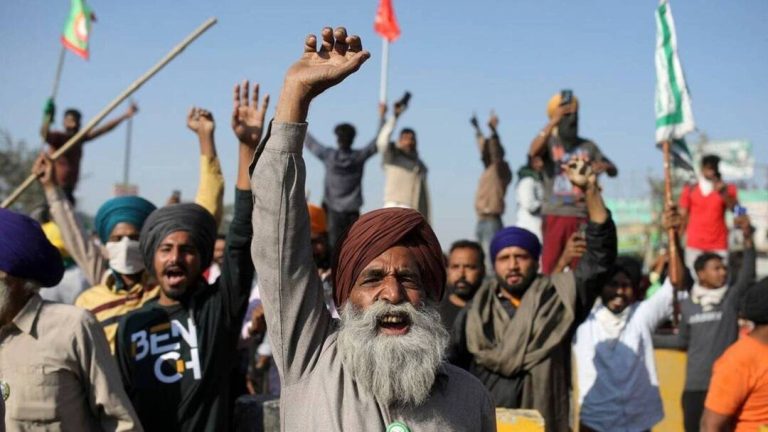
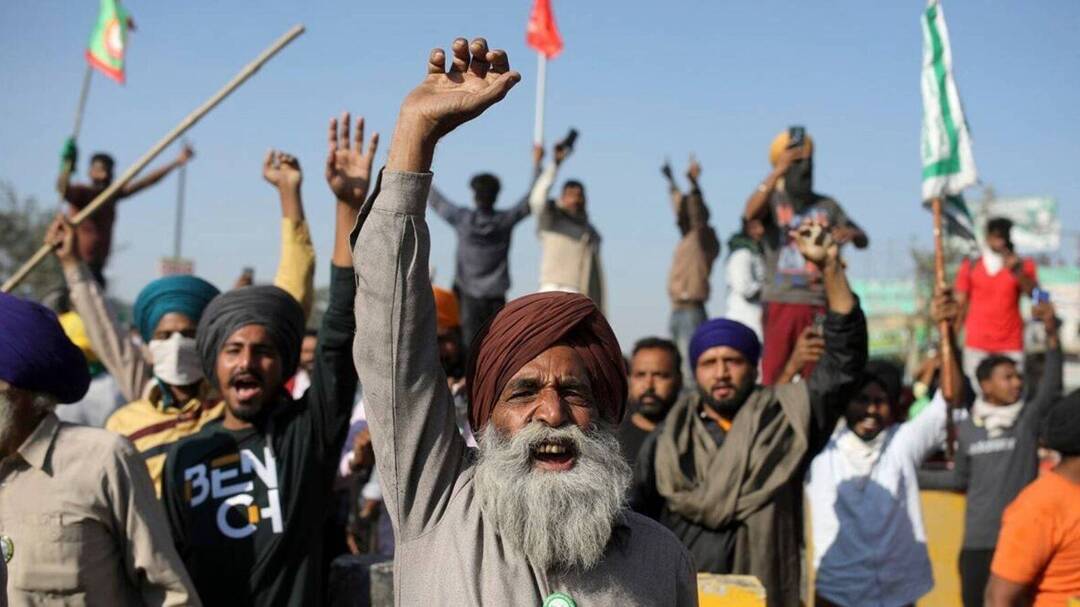
The Indian farming community is once again gearing up for a massive showdown against the government, this time over the recently announced India-US trade deal. Samyukt Kisan Morcha (SKM), All India Kisan Sabha (AIKS), and several other farmers’ organizations have announced plans to stage nationwide protests on February 12 against the deal, which they claim will have devastating consequences for India’s agriculture sector and its farmers.
The SKM, a coalition of farmers’ unions, has been at the forefront of the agitation against the government’s farm policies, including the now-repealed three farm laws. The organization has termed the India-US trade deal as a “total surrender” of India’s agriculture and farmers to American multinational corporations (MNCs). The deal, which was announced recently, is expected to increase trade between India and the US, but farmers’ organizations believe that it will only benefit American corporations at the expense of Indian farmers.
The SKM has demanded that the government scrap the deal and protect India’s agriculture sector from the onslaught of American MNCs. The organization has also demanded the resignation of Union Minister Piyush Goyal, who is responsible for negotiating the trade deal. The farmers’ organizations claim that Goyal has failed to protect the interests of Indian farmers and has instead prioritized the interests of American corporations.
The nationwide protests on February 12 will be the latest in a series of agitations by farmers’ organizations against the government’s farm policies. The protests will be held in various cities and towns across the country, and are expected to draw large crowds of farmers, farm workers, and other supporters. The SKM has called upon all farmers’ organizations, trade unions, and other progressive groups to join the protests and make their voices heard.
The India-US trade deal has been a subject of controversy since it was announced, with many critics arguing that it will lead to the dumping of cheap American agricultural products in India, thereby harming the country’s farmers. The deal is also expected to increase the import of genetically modified (GM) crops, which many farmers’ organizations oppose due to concerns over their impact on human health and the environment.
The SKM and other farmers’ organizations have also expressed concerns over the lack of transparency in the negotiation process, claiming that the government has not consulted with farmers’ organizations or other stakeholders before finalizing the deal. The organizations have demanded that the government make the details of the deal public and engage in a broader consultation process before implementing it.
The protests on February 12 will be an important test of the government’s resolve to push through the trade deal, despite opposition from farmers’ organizations and other groups. The government has so far shown little willingness to engage with the protesters or address their concerns, and it remains to be seen how it will respond to the latest round of protests.
The India-US trade deal is not just a matter of trade policy, but also has significant implications for India’s food security and the livelihoods of its farmers. The deal could lead to increased imports of agricultural products, which could harm India’s farmers and undermine the country’s food security. The protests on February 12 will be an important opportunity for farmers’ organizations and other groups to raise their voices and demand that the government prioritizes the interests of Indian farmers and the country’s food security.
In conclusion, the nationwide protests on February 12 will be an important milestone in the ongoing struggle of Indian farmers against the government’s farm policies. The protests will draw attention to the concerns of farmers’ organizations over the India-US trade deal and the potential harm it could cause to India’s agriculture sector and its farmers. The government must listen to the concerns of farmers’ organizations and engage in a broader consultation process before implementing the deal. The future of India’s farmers and its food security depends on it.
About the Author