UK Scientists Create Shape-Shifting Jelly Robot that Moves with Electric Fields
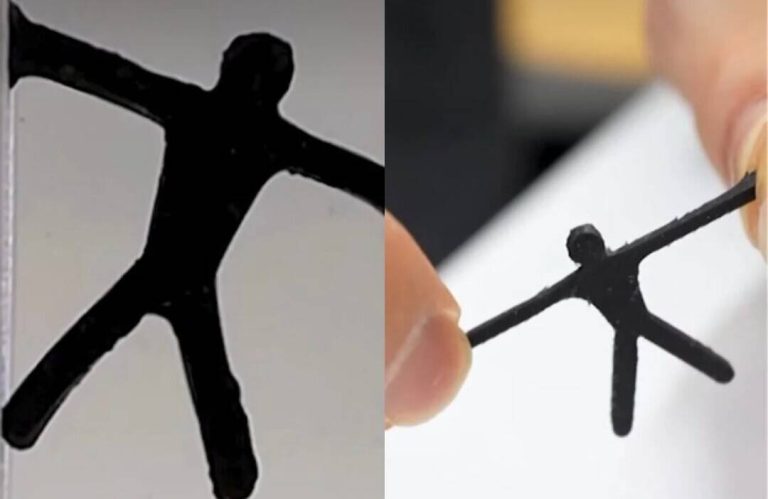
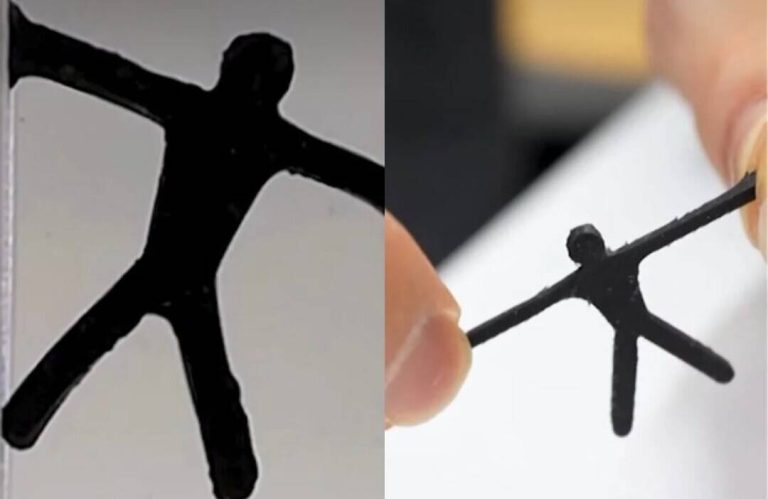
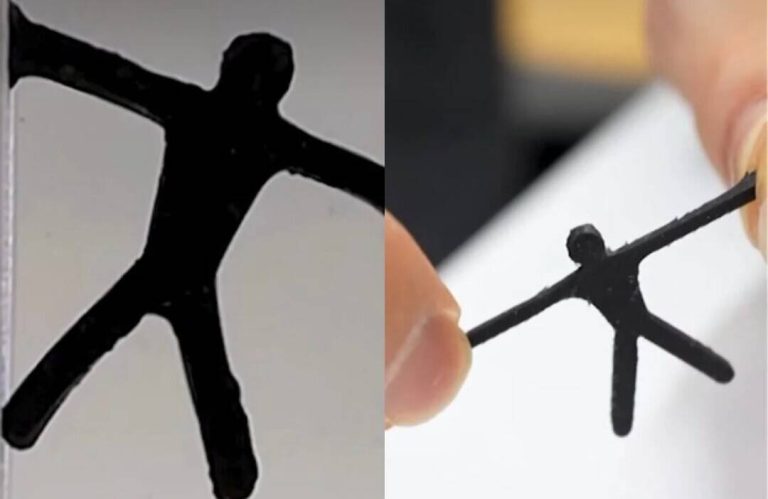
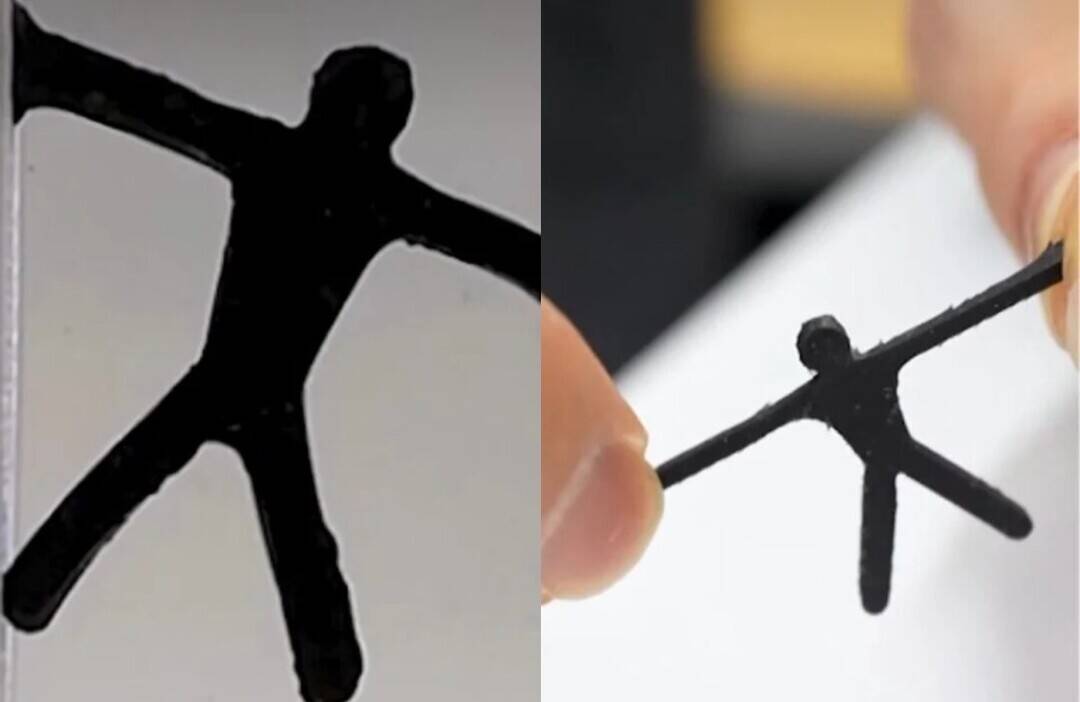
In a groundbreaking development, British researchers have successfully created a soft, jelly-like robot that can move and change shape using external electric fields. This innovative robot, designed by University of Bristol scientists, has the ability to reshape its body to bend, stretch, and move without the need for motors or joints. The potential applications of this technology are vast, and experts believe it could aid exploration in tight, fragile, or hazardous environments.
The robot, which resembles a jelly-like substance, is made up of a soft, flexible material that can be manipulated using electric fields. By applying an electric field to the robot, the researchers can control its shape and movement, allowing it to navigate through complex environments with ease. This technology has the potential to revolutionize the field of robotics, enabling the creation of robots that can interact with and adapt to their surroundings in a more flexible and dynamic way.
One of the key advantages of this shape-shifting robot is its ability to move and change shape without the need for traditional motors or joints. This makes it ideal for use in environments where traditional robots may struggle to operate, such as in tight spaces or in areas with fragile or delicate surfaces. The robot’s soft, flexible body also makes it less likely to cause damage or disruption to its surroundings, making it an attractive option for use in sensitive or hazardous environments.
The development of this technology has significant implications for a range of fields, including search and rescue, environmental monitoring, and medical robotics. For example, the robot could be used to explore and navigate through rubble or debris in search and rescue operations, or to monitor and track changes in environmental conditions in hard-to-reach areas. In medical robotics, the robot could be used to interact with and manipulate soft tissues, such as those found in the human body.
The University of Bristol researchers behind the project are excited about the potential of their creation, and are already exploring ways to further develop and refine the technology. “We are thrilled to have developed a robot that can move and change shape using electric fields,” said one of the researchers. “This technology has the potential to revolutionize the field of robotics, and we are eager to see where it will take us.”
The development of this shape-shifting robot is a testament to the innovative spirit and creativity of the UK’s scientific community. The project is a prime example of the cutting-edge research being conducted in the UK, and demonstrates the country’s commitment to advancing the field of robotics and artificial intelligence.
As the technology continues to evolve and improve, it is likely that we will see a range of new and exciting applications for this shape-shifting robot. From search and rescue operations to medical robotics, the potential uses for this technology are vast and varied. With its ability to move and change shape using electric fields, this robot is poised to make a significant impact in a range of fields, and is an exciting development in the world of robotics.
In conclusion, the creation of a shape-shifting jelly robot that moves with electric fields is a groundbreaking development that has the potential to revolutionize the field of robotics. With its ability to move and change shape without the need for motors or joints, this robot is ideal for use in tight, fragile, or hazardous environments. As the technology continues to evolve and improve, it is likely that we will see a range of new and exciting applications for this innovative robot.
About the Author