UK scientists create shape-shifting jelly robot that moves with electric fields
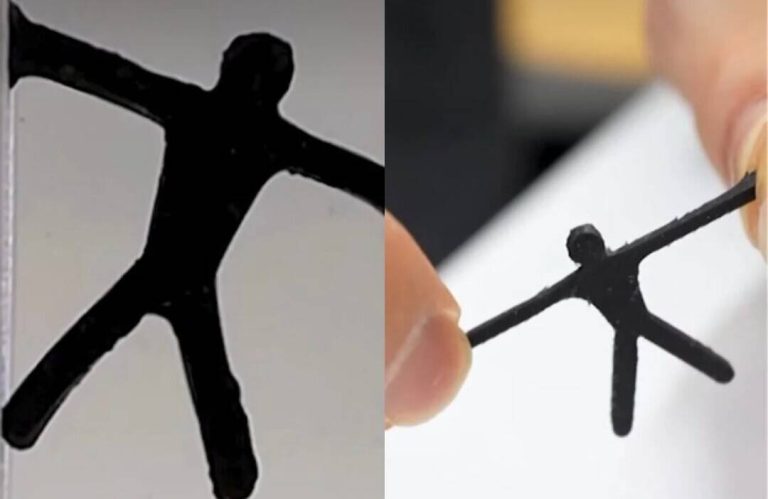
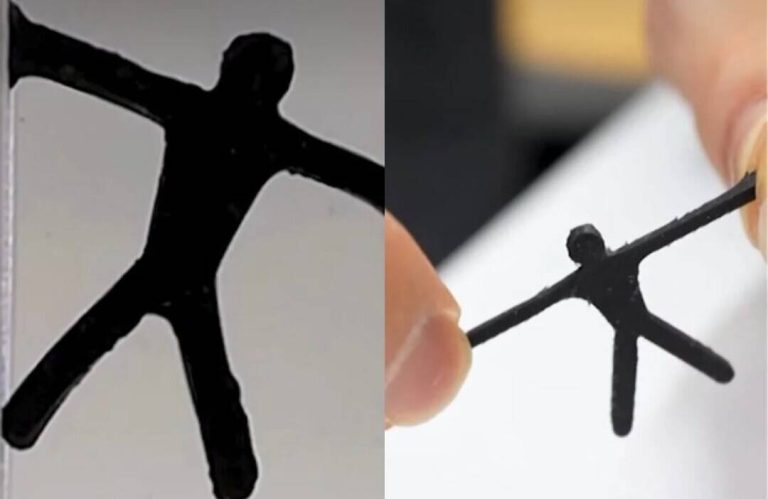
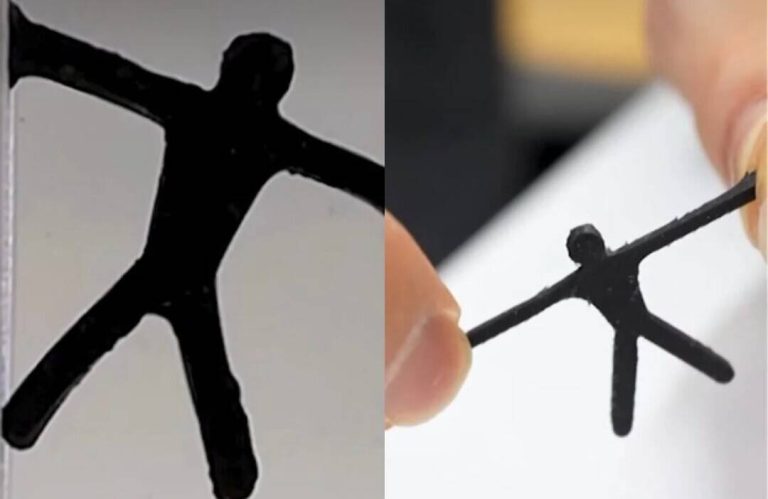
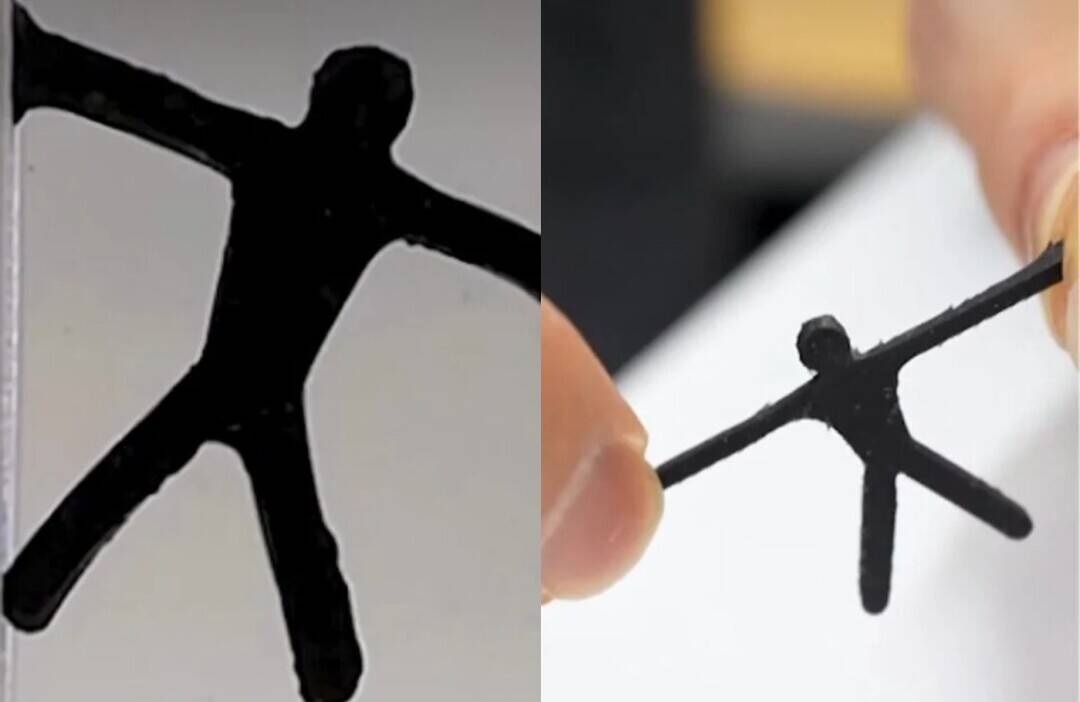
In a groundbreaking development, British researchers have created a soft, jelly-like robot that can move and change shape using external electric fields. This innovative robot, designed by scientists at the University of Bristol, has the ability to reshape its body to bend, stretch, and move without the need for motors or joints. This breakthrough technology has the potential to aid exploration in tight, fragile, or hazardous environments, where traditional robots may struggle to operate.
The robot, which resembles a jelly-like substance, is made up of a soft, flexible material that can be manipulated using electric fields. By applying an electric field to the robot, it can change its shape and move in a specific direction. This is achieved through the use of electroactive polymers, which are materials that can change their shape or size when an electric field is applied.
The University of Bristol scientists behind this development have been working on the project for several years, and their research has been published in a leading scientific journal. According to the researchers, the robot has a number of potential applications, including search and rescue missions, environmental monitoring, and medical procedures.
One of the key advantages of this robot is its ability to navigate through tight spaces and fragile environments. Traditional robots often rely on motors and joints to move, which can be bulky and prone to damage. In contrast, the jelly-like robot can squeeze through small openings and change its shape to avoid obstacles, making it ideal for exploring confined or delicate areas.
The robot’s ability to change its shape also allows it to interact with its environment in a unique way. For example, it can use its flexible body to grasp and manipulate objects, or to absorb and distribute forces. This could be particularly useful in medical procedures, where traditional robots may struggle to handle delicate tissues or organs.
The development of this shape-shifting robot is also a significant step forward in the field of soft robotics. Soft robots are designed to be flexible and adaptable, and are often made from materials that are similar to those found in living organisms. They have a number of potential applications, including robotics, prosthetics, and wearable technology.
The use of electric fields to control the robot’s movement is also a significant innovation. Electric fields are a common way to manipulate materials at the molecular level, and have been used in a variety of applications, including displays, sensors, and actuators. However, their use in robotics is still a relatively new and emerging field.
According to the researchers, the next step is to develop the robot’s control systems and to integrate it with sensors and other technologies. They also plan to explore the potential applications of the robot in a variety of fields, including medicine, environmental monitoring, and search and rescue.
The development of this shape-shifting jelly robot is a significant achievement, and demonstrates the potential for innovative technologies to transform a wide range of fields. As researchers continue to develop and refine this technology, it will be exciting to see the potential applications and implications of this groundbreaking work.
In conclusion, the creation of a shape-shifting jelly robot that moves with electric fields is a major breakthrough in the field of robotics. With its ability to change its shape and navigate through tight spaces, this robot has the potential to aid exploration in a variety of environments. As researchers continue to develop and refine this technology, it will be exciting to see the potential applications and implications of this innovative work.
About the Author