Farmers to hold nationwide protests over India-US trade deal on Feb 12
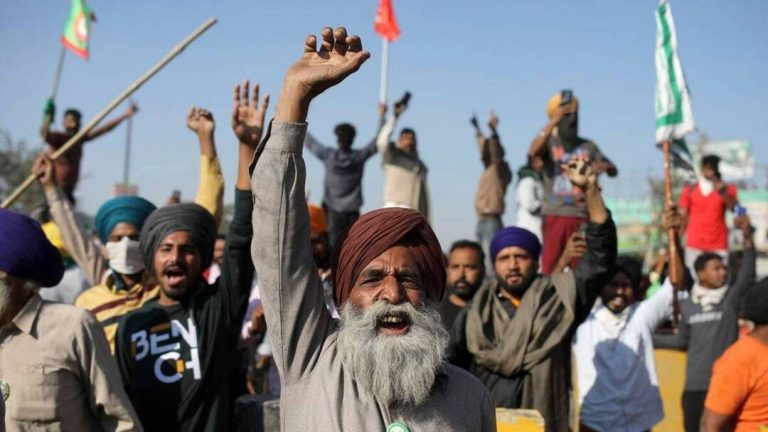
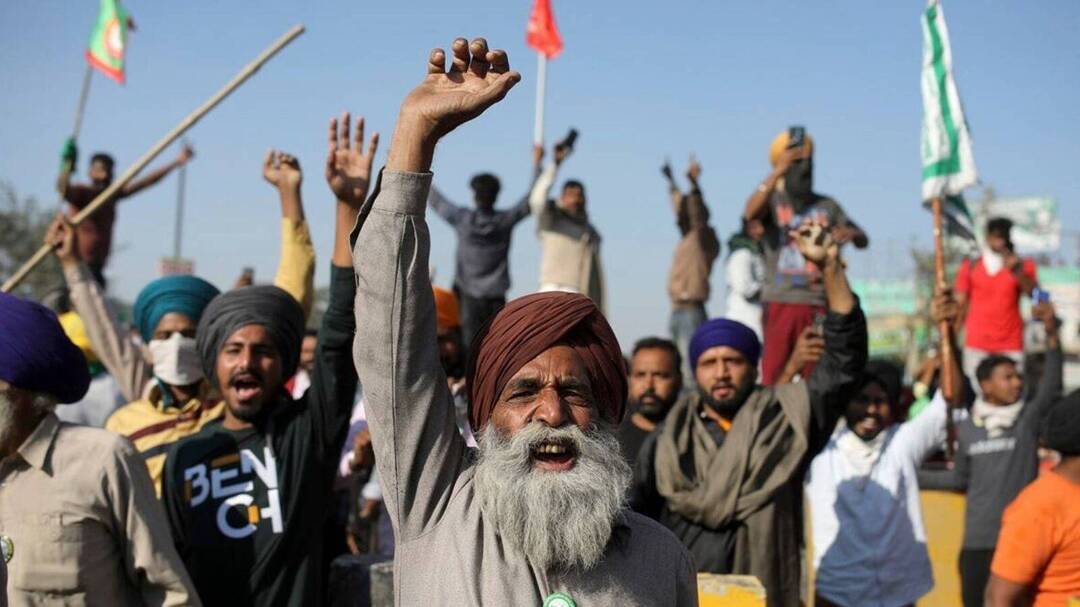
The Indian farming community is gearing up for a massive nationwide protest on February 12, as various farmers’ organizations have announced plans to stage demonstrations against the recently announced India-US trade deal. The Samyukt Kisan Morcha (SKM) and the All India Kisan Sabha (AIKS), along with several other farmers’ organizations, have come together to express their strong opposition to the interim deal, which they claim is a “total surrender” of India’s agriculture and farmers to American multinational corporations (MNCs).
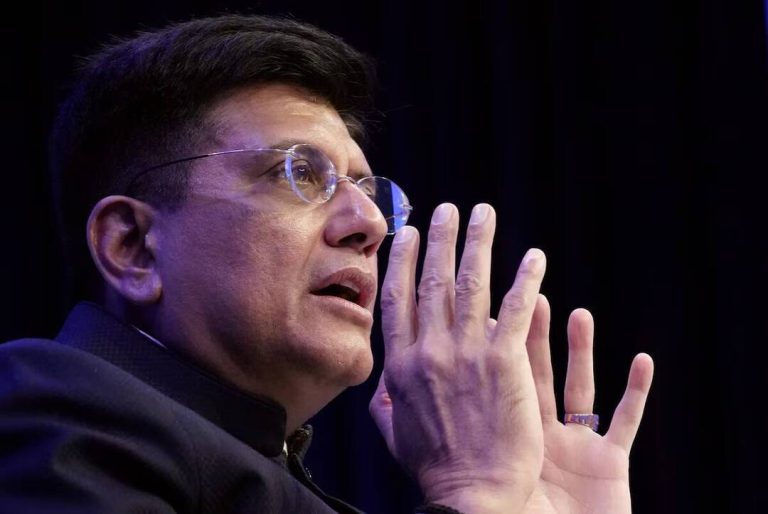
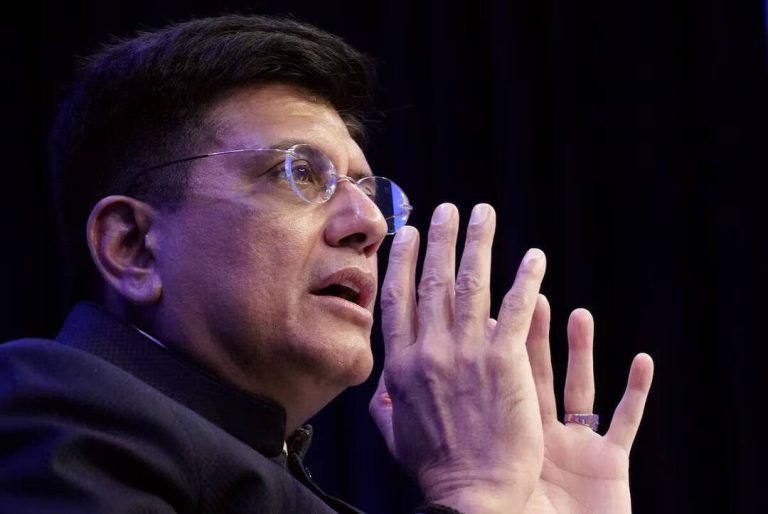
The SKM, a coalition of farmers’ organizations, has been at the forefront of the agitation against the trade deal, which was announced recently. The organization has accused the Indian government of betraying the trust of the farming community by signing a deal that favors American MNCs at the expense of Indian farmers. The SKM has also demanded the resignation of Union Minister Piyush Goyal, who is responsible for negotiating the trade deal.
The India-US trade deal has been a subject of controversy since its announcement, with many farmers’ organizations and opposition parties expressing their opposition to the agreement. The deal is expected to increase the export of American agricultural products to India, which could potentially harm the interests of Indian farmers. The SKM and other farmers’ organizations have argued that the deal will lead to a flood of cheap American agricultural products in the Indian market, which will make it difficult for Indian farmers to compete.
The farmers’ organizations have also expressed concern over the impact of the trade deal on India’s agricultural sector, which is already facing numerous challenges. The sector is struggling with issues such as low crop prices, high input costs, and lack of adequate support from the government. The trade deal, according to the farmers’ organizations, will only exacerbate these problems and make it more difficult for Indian farmers to survive.
The nationwide protests on February 12 are expected to be a major show of strength by the farming community, which is determined to make its voice heard on the issue. The protests will be held in various parts of the country, including major cities and rural areas, and will involve thousands of farmers and agricultural workers. The SKM and other farmers’ organizations have called upon all farmers and agricultural workers to join the protests and make their demands heard.
The demands of the farmers’ organizations are clear: they want the Indian government to withdraw from the trade deal and protect the interests of Indian farmers. They also want the government to provide adequate support to the agricultural sector, including higher crop prices, lower input costs, and better infrastructure. The farmers’ organizations have also demanded that the government take steps to promote Indian agriculture and make it more competitive, rather than relying on imports from other countries.
The Indian government has so far refused to budge on the issue, with Union Minister Piyush Goyal defending the trade deal as a “win-win” for both India and the US. However, the farmers’ organizations are not convinced, and they are determined to continue their agitation until their demands are met.
The nationwide protests on February 12 are likely to be a major test for the Indian government, which is already facing criticism for its handling of the agricultural sector. The government will have to balance the interests of Indian farmers with the need to promote trade and commerce with other countries. However, the farmers’ organizations are clear that they will not compromise on their demands, and they are prepared to take their agitation to the streets to make their voice heard.
In conclusion, the nationwide protests on February 12 are a significant development in the ongoing agitation against the India-US trade deal. The farmers’ organizations are determined to make their voice heard and to protect the interests of Indian farmers. The Indian government will have to take the demands of the farmers’ organizations seriously and take steps to address their concerns. The future of Indian agriculture depends on it.
About the Author