In farmers’ best interest: JD(U) MP on India-US interim trade deal
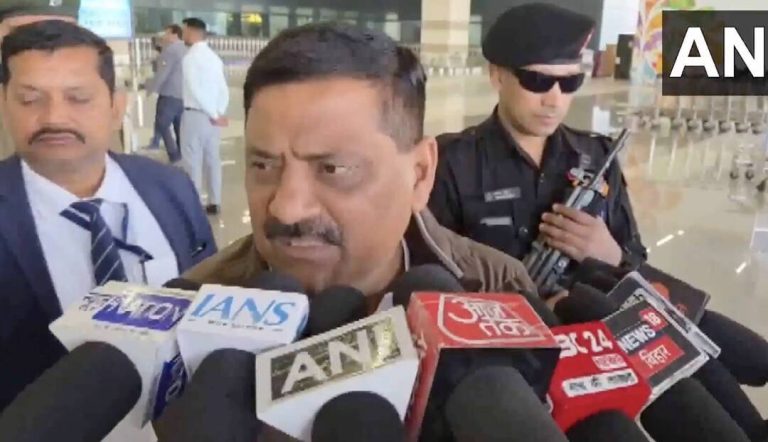
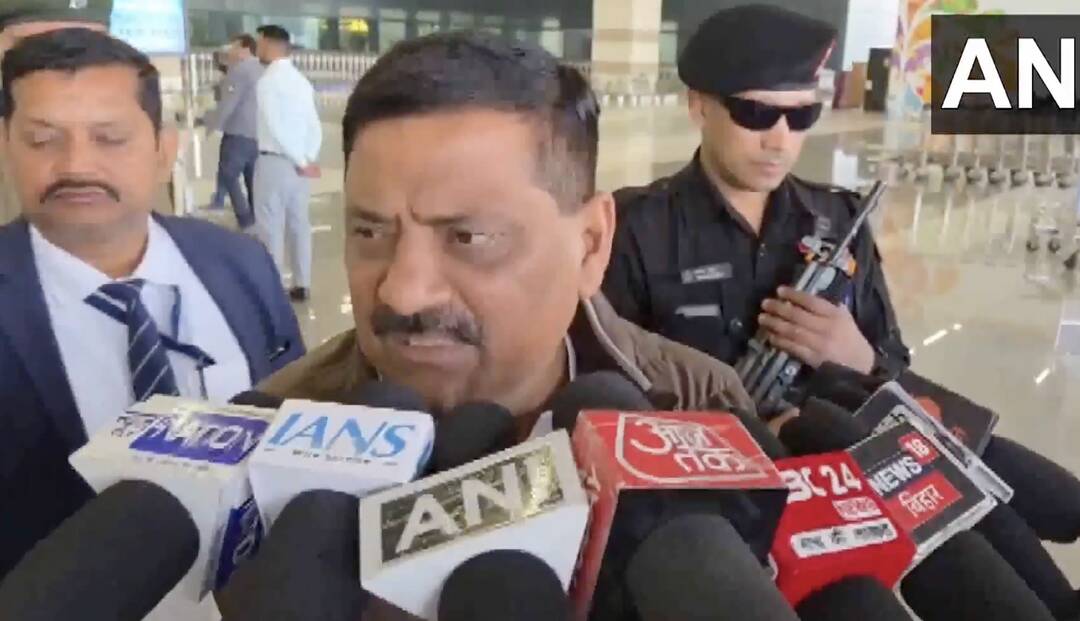
The recent India-US interim trade agreement has sparked a wave of reactions from various stakeholders, with some hailing it as a significant step forward in strengthening bilateral trade relations, while others have expressed concerns about its potential impact on domestic industries. However, according to Janata Dal (United) MP Sanjay Kumar Jha, the trade agreement is a positive development, particularly for the country’s farming community. In a statement, Jha emphasized that the agreement is in the best interests of farmers, highlighting the benefits it is expected to bring to the agricultural sector.
“The trade agreement is in the best interests of the farmers,” Jha said, stressing the importance of the deal for the farming community. He also pointed out that the tariffs have been slashed, which is expected to boost trade between the two countries. Furthermore, Jha noted that India has also announced trade deals with other nations, indicating a proactive approach towards strengthening its trade relationships globally. This move is seen as a strategic step to increase India’s exports and promote economic growth.
One of the key aspects of the India-US interim trade deal is the protection of sensitive agriculture and dairy products. India has fully protected these sectors under the agreement, which is a significant relief for farmers and dairy producers. This protection ensures that domestic farmers and dairy producers will not face undue competition from imported products, thereby safeguarding their interests. The move is expected to provide a level playing field for Indian farmers and dairy producers, enabling them to compete fairly in the domestic market.
The India-US interim trade deal is a significant development in the context of bilateral trade relations between the two countries. The agreement is expected to boost trade in areas such as agriculture, dairy, and other sectors, promoting economic growth and development. The deal is also seen as a positive step towards strengthening the strategic partnership between India and the US, with the potential to foster greater cooperation in areas such as trade, investment, and technology.
The protection of sensitive agriculture and dairy products under the interim trade deal is a crucial aspect of the agreement. India’s agricultural sector is a significant contributor to the country’s economy, with a large proportion of the population engaged in farming and related activities. The sector is also a critical component of the country’s food security, with India being one of the world’s largest producers of agricultural products. By protecting sensitive agriculture and dairy products, the government has ensured that the interests of farmers and dairy producers are safeguarded, which is essential for the long-term sustainability of the sector.
The slashing of tariffs under the interim trade deal is another significant aspect of the agreement. Tariffs have long been a point of contention in trade negotiations between India and the US, with both countries imposing tariffs on each other’s products. The reduction in tariffs is expected to boost trade between the two countries, making Indian products more competitive in the US market. This, in turn, is expected to increase India’s exports to the US, promoting economic growth and development.
The India-US interim trade deal is also seen as a positive development in the context of India’s trade relationships with other countries. The agreement is expected to set a precedent for future trade deals, with India potentially negotiating similar agreements with other countries. This could lead to a significant increase in India’s trade with other nations, promoting economic growth and development. Furthermore, the deal is expected to promote greater cooperation between India and other countries in areas such as trade, investment, and technology, fostering a more integrated and interconnected global economy.
In conclusion, the India-US interim trade deal is a significant development in the context of bilateral trade relations between the two countries. The agreement is expected to boost trade in areas such as agriculture, dairy, and other sectors, promoting economic growth and development. The protection of sensitive agriculture and dairy products under the deal is a crucial aspect of the agreement, safeguarding the interests of farmers and dairy producers. The slashing of tariffs is also expected to boost trade between the two countries, making Indian products more competitive in the US market. As JD(U) MP Sanjay Kumar Jha emphasized, the trade agreement is in the best interests of farmers, and it is expected to bring significant benefits to the agricultural sector.
The Indian government’s proactive approach towards strengthening trade relationships with other countries is a positive development, with the potential to promote economic growth and development. The deal is expected to set a precedent for future trade agreements, with India potentially negotiating similar agreements with other countries. As the country continues to navigate the complexities of global trade, it is essential to prioritize the interests of farmers and other stakeholders, ensuring that trade agreements are fair, equitable, and beneficial to all parties involved.
In the context of the India-US interim trade deal, it is clear that the agreement is a significant step forward in strengthening bilateral trade relations between the two countries. The protection of sensitive agriculture and dairy products, the slashing of tariffs, and the potential for increased trade and cooperation are all positive developments that are expected to promote economic growth and development. As the country moves forward, it is essential to continue prioritizing the interests of farmers and other stakeholders, ensuring that trade agreements are fair, equitable, and beneficial to all parties involved.
Source: https://x.com/ANI/status/2020024863357038983
About the Author