India to emerge as hub for AI, digital services under interim US pact: FM
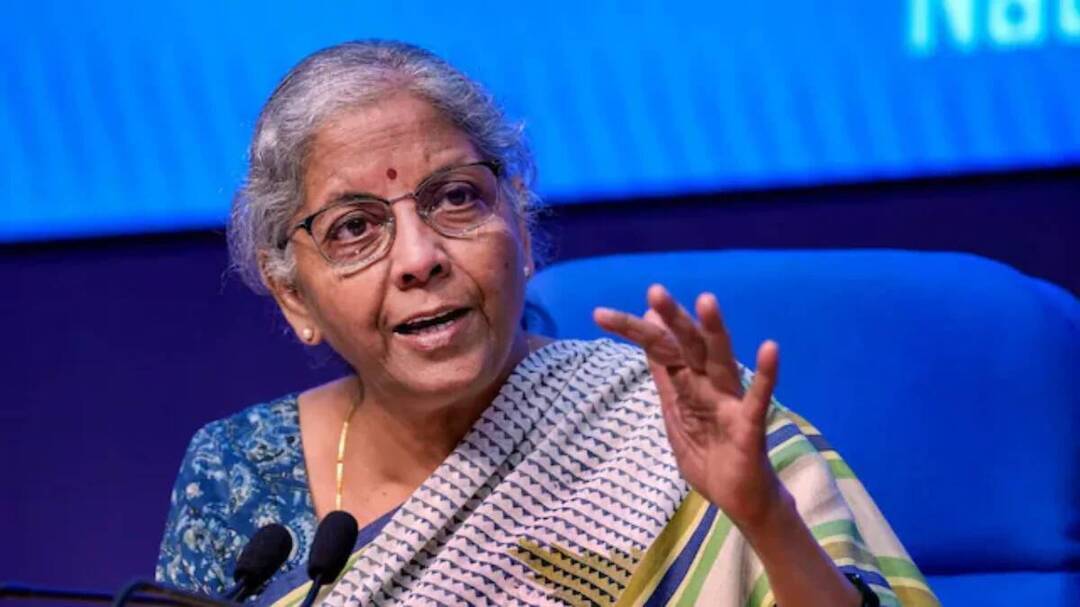
In a significant development, Finance Minister Nirmala Sitharaman has welcomed the India-US interim agreement framework, stating that it would strengthen India’s leadership in digital services. According to the Minister, the joint technology cooperation will position India as a hub for Artificial Intelligence (AI), data, and digital services. This announcement comes as a joint statement was released by India and the US, revealing that they have reached a framework for an interim agreement on reciprocal, mutually beneficial trade.
The agreement is expected to have far-reaching implications for India’s digital economy, with the potential to create new opportunities for businesses, startups, and individuals in the country. As India continues to emerge as a major player in the global digital landscape, this pact is likely to further solidify its position as a hub for innovation and technology.
Strengthening India’s digital leadership
The Finance Minister’s statement highlights the significance of the agreement in strengthening India’s digital leadership. With the joint technology cooperation, India is poised to become a major hub for AI, data, and digital services, attracting investments, talent, and businesses from around the world. This, in turn, is expected to create new job opportunities, drive economic growth, and increase the country’s competitiveness in the global market.
The agreement is also expected to foster greater collaboration between Indian and US companies, startups, and research institutions, leading to the development of new technologies, products, and services. This collaboration will not only benefit the two countries but also contribute to the global digital economy, driving innovation and growth.
Key areas of cooperation
The interim agreement framework is expected to cover several key areas of cooperation, including:
- Artificial Intelligence (AI): The agreement is likely to focus on the development and deployment of AI technologies, including machine learning, natural language processing, and computer vision. This will enable Indian companies to leverage AI to drive business growth, improve efficiency, and enhance customer experience.
- Data analytics: The pact is expected to cover the area of data analytics, enabling Indian companies to develop and deploy advanced data analytics solutions, including big data, predictive analytics, and data visualization.
- Digital services: The agreement will likely cover the area of digital services, including e-commerce, digital payments, and fintech. This will enable Indian companies to develop and deploy innovative digital services, enhancing the country’s digital infrastructure and driving economic growth.
- Cybersecurity: The pact is expected to cover the area of cybersecurity, enabling Indian companies to develop and deploy advanced cybersecurity solutions, protecting businesses and individuals from cyber threats.
Benefits for Indian businesses and startups
The interim agreement framework is expected to have significant benefits for Indian businesses and startups, including:
- Access to new markets: The agreement will provide Indian businesses and startups with access to new markets, enabling them to expand their customer base and increase revenue.
- Collaboration opportunities: The pact will enable Indian companies to collaborate with US companies, startups, and research institutions, leading to the development of new technologies, products, and services.
- Investment opportunities: The agreement is expected to attract investments from US companies, venture capital firms, and private equity firms, enabling Indian startups and businesses to raise capital and drive growth.
- Job creation: The pact is likely to create new job opportunities in the digital sector, driving employment growth and economic development.
Challenges and opportunities
While the interim agreement framework presents significant opportunities for India’s digital economy, there are also challenges that need to be addressed. These include:
- Data protection: The agreement will require India to develop and implement robust data protection regulations, ensuring the privacy and security of data.
- Intellectual property: The pact will require India to strengthen its intellectual property regime, protecting the rights of innovators and creators.
- Infrastructure development: The agreement will require India to develop and upgrade its digital infrastructure, including data centers, cloud computing, and cybersecurity infrastructure.
Conclusion
The India-US interim agreement framework is a significant development for India’s digital economy, with the potential to position the country as a hub for AI, data, and digital services. The agreement is expected to create new opportunities for businesses, startups, and individuals, driving economic growth, job creation, and innovation. As India continues to emerge as a major player in the global digital landscape, this pact is likely to further solidify its position as a hub for innovation and technology.
News source: https://x.com/nsitharamanoffc/status/2019965384728932545
About the Author