UK Scientists Create Shape-Shifting Jelly Robot that Moves with Electric Fields
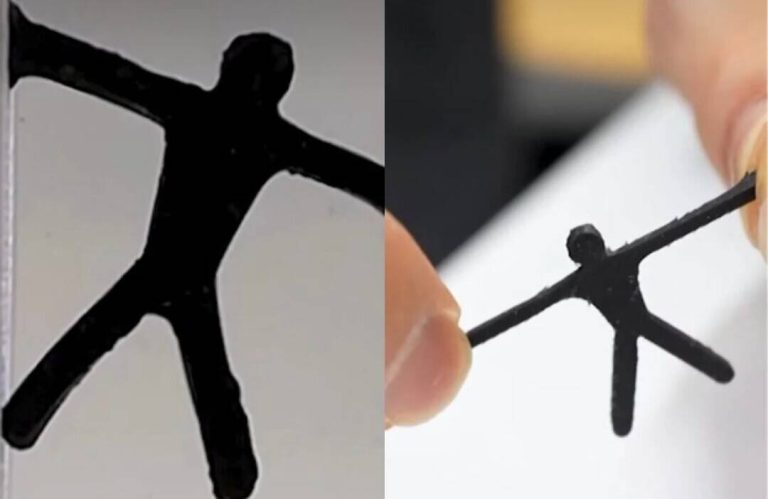
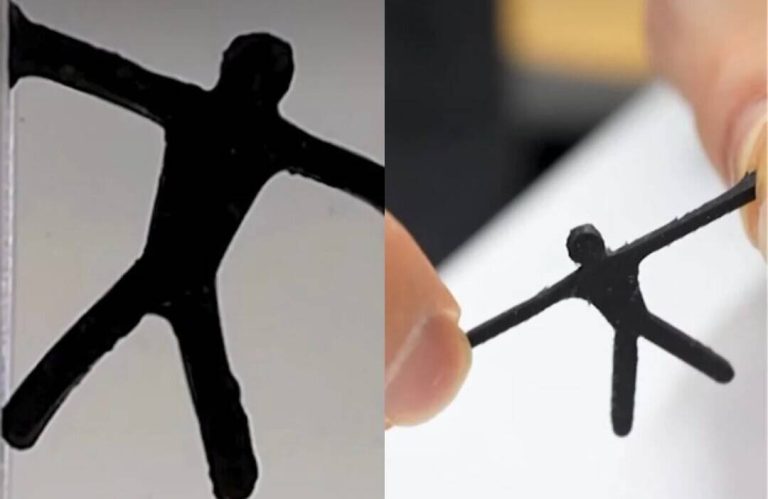
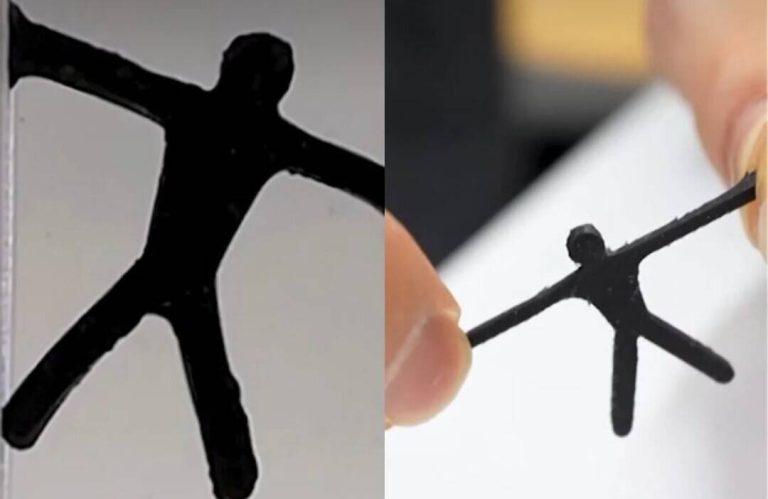
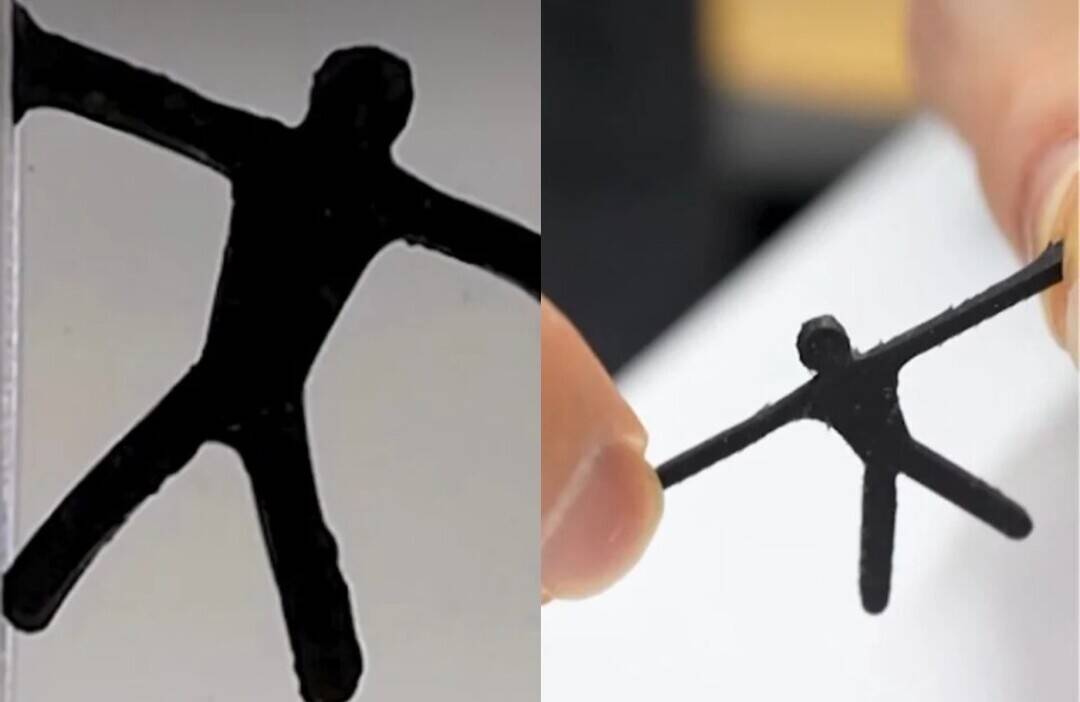
In a groundbreaking achievement, British researchers have successfully developed a soft, jelly-like robot that can move and change shape using external electric fields. This innovative creation, designed by scientists at the University of Bristol, has the ability to reshape its body to bend, stretch, and move without the need for motors or joints. The potential applications of this shape-shifting robot are vast, with experts suggesting it could aid exploration in tight, fragile, or hazardous environments.
The robot’s unique design allows it to respond to electric fields, which are used to manipulate its shape and movement. By applying an electric field, the robot can change its shape and move in a specific direction. This is made possible by the use of a soft, flexible material that can be easily manipulated by the electric fields. The robot’s ability to change shape and move without the need for traditional motors or joints makes it ideal for use in environments where traditional robots may struggle to operate.
One of the most significant advantages of this shape-shifting robot is its potential to explore tight or fragile environments. Traditional robots are often bulky and rigid, making it difficult for them to navigate through narrow spaces or delicate ecosystems. The soft, jelly-like design of this robot allows it to fit into tight spaces and move through fragile environments without causing damage. This makes it an ideal tool for search and rescue missions, environmental monitoring, or even medical procedures.
The robot’s ability to change shape and move using electric fields also makes it highly versatile. It can be used to perform a variety of tasks, from grasping and manipulating objects to navigating through complex environments. The robot’s soft design also makes it highly resistant to damage, allowing it to withstand impacts and stresses that would be catastrophic for traditional robots.
The development of this shape-shifting robot is a significant breakthrough in the field of robotics. It has the potential to revolutionize the way we approach exploration and research in a variety of fields, from environmental science to medicine. The use of soft, flexible materials and electric fields to manipulate the robot’s shape and movement is a highly innovative approach that could lead to the development of a new generation of robots.
The University of Bristol scientists behind the development of this robot are excited about its potential applications. They believe that the robot could be used in a variety of environments, from the deep sea to outer space. The robot’s ability to change shape and move using electric fields makes it an ideal tool for exploring extreme environments, where traditional robots may struggle to operate.
In addition to its potential applications, the development of this shape-shifting robot is also significant because of its potential to inspire new areas of research. The use of soft, flexible materials and electric fields to manipulate the robot’s shape and movement is a highly innovative approach that could lead to the development of new technologies and materials. The robot’s ability to change shape and move without the need for traditional motors or joints also raises interesting questions about the potential for robots to be designed and built in new and innovative ways.
Overall, the development of this shape-shifting jelly robot is a significant achievement that has the potential to revolutionize the field of robotics. Its ability to change shape and move using electric fields makes it an ideal tool for exploring tight, fragile, or hazardous environments. The robot’s soft, flexible design and highly versatile movement make it a highly promising technology that could lead to a new generation of robots that are capable of operating in a wide range of environments.
As research and development continue, it will be exciting to see the potential applications of this shape-shifting robot. From environmental monitoring to medical procedures, the possibilities are endless. The University of Bristol scientists behind the development of this robot are to be commended for their innovative approach and their commitment to pushing the boundaries of what is possible in the field of robotics.
In conclusion, the creation of this shape-shifting jelly robot is a groundbreaking achievement that has the potential to revolutionize the field of robotics. Its ability to change shape and move using electric fields makes it an ideal tool for exploring tight, fragile, or hazardous environments. As research and development continue, it will be exciting to see the potential applications of this technology and the impact it could have on a wide range of fields.
About the Author