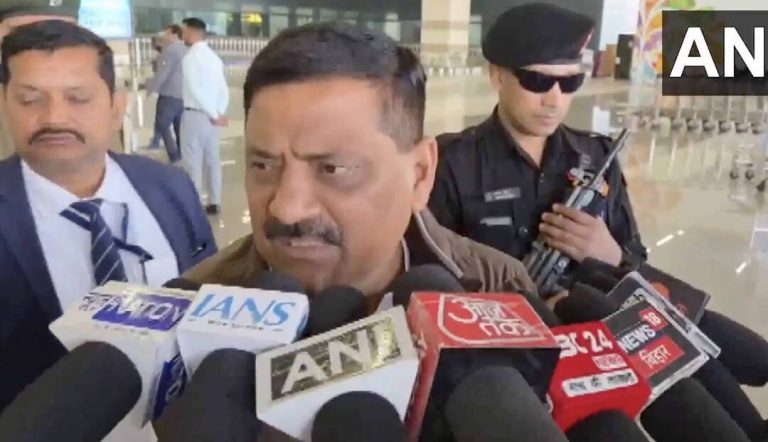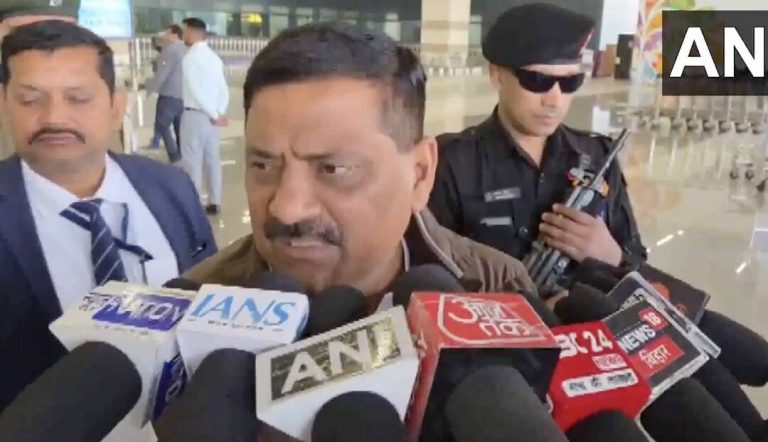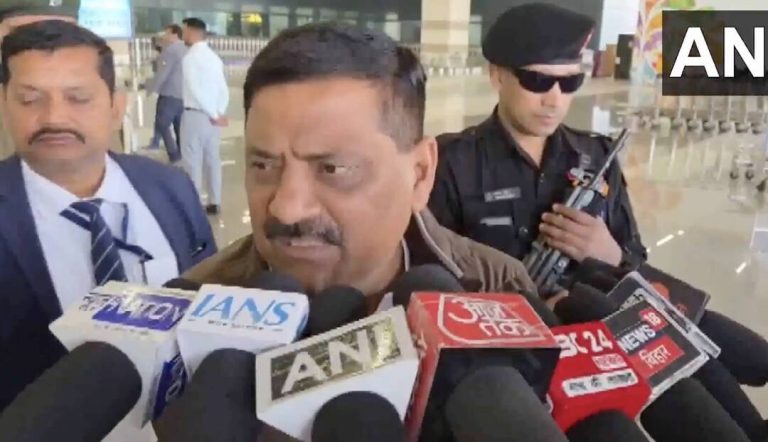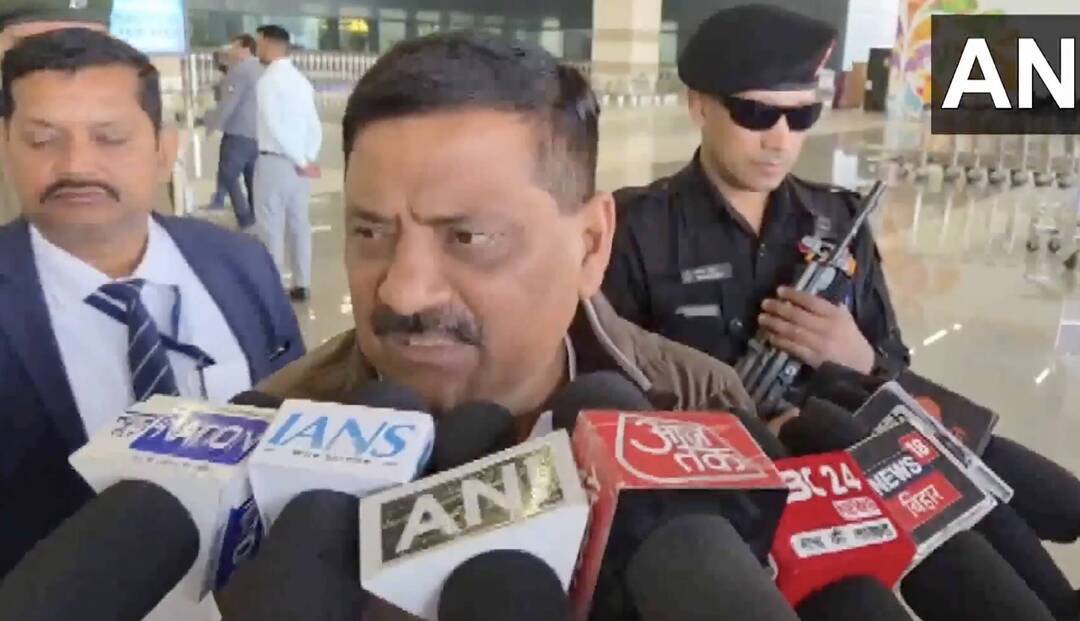
In farmers’ best interest: JD(U) MP on India-US interim trade deal
The recent India-US interim trade agreement has been making waves in the economic and political spheres, with various stakeholders weighing in on the potential benefits and drawbacks of the deal. One of the key aspects of the agreement is its impact on the agricultural sector, which is a crucial component of India’s economy. Reacting to the agreement, JD(U) MP Sanjay Kumar Jha stated that the trade agreement is in the best interests of the farmers. In this blog post, we will delve into the details of the agreement and explore how it is likely to affect the agricultural sector in India.
According to Jha, “The trade agreement is in the best interests of the farmers.” This statement suggests that the agreement has been designed to benefit the agricultural community, which is a significant segment of the Indian population. The MP also mentioned that “The tariffs have also been slashed…India has also announced trade deals with other nations,” which indicates that the agreement is part of a broader strategy to boost trade and commerce in the country. By reducing tariffs and increasing trade with other nations, India aims to create a more favorable business environment that will benefit various sectors, including agriculture.
One of the most significant aspects of the India-US interim trade deal is the protection of sensitive agriculture and dairy products. India has fully protected these products under the agreement, which means that the country will not be required to reduce tariffs or increase quotas for these items. This move is likely to be welcomed by farmers and agricultural producers, who have been concerned about the potential impact of the agreement on their livelihoods. By protecting sensitive agriculture and dairy products, the government has ensured that the domestic agricultural sector will not be exposed to unfair competition from US imports.
The protection of sensitive agriculture and dairy products is a crucial aspect of the agreement, as these sectors are vital to India’s food security and rural economy. The country is home to a large number of small and marginal farmers, who are often vulnerable to fluctuations in global market prices. By shielding these farmers from the potential impact of cheaper US imports, the government has taken a significant step towards protecting their interests. This move is also likely to help maintain the stability of the agricultural sector, which is essential for ensuring food security and sustainable economic growth.
The India-US interim trade deal is also expected to have a positive impact on India’s trade relations with other countries. As Jha mentioned, “India has also announced trade deals with other nations,” which suggests that the agreement is part of a broader strategy to increase trade and commerce with various countries. By engaging with other nations and negotiating trade agreements, India can create new opportunities for its businesses and farmers, while also increasing its global trade footprint. This, in turn, can help to boost economic growth, create jobs, and improve living standards in the country.
In addition to the benefits for farmers and the agricultural sector, the India-US interim trade deal is also likely to have a positive impact on the overall economy. By reducing tariffs and increasing trade, the agreement can help to boost economic growth, increase investment, and create new job opportunities. The deal can also help to improve the business environment in India, making it more attractive to foreign investors and increasing the country’s competitiveness in the global market.
However, some critics have raised concerns about the potential impact of the agreement on certain sectors, such as pharmaceuticals and chemicals. These sectors may face increased competition from US imports, which could lead to job losses and economic disruption. Additionally, some have argued that the agreement does not do enough to address issues such as intellectual property rights and market access, which are critical to India’s economic growth and development.
Despite these concerns, the India-US interim trade deal is a significant step forward in the country’s trade relations with the US. The agreement demonstrates India’s commitment to increasing trade and commerce with other nations, while also protecting the interests of its farmers and agricultural producers. As the country continues to negotiate trade agreements with other nations, it is essential to ensure that the interests of all stakeholders, including farmers, businesses, and consumers, are taken into account.
In conclusion, the India-US interim trade deal is a positive development for India’s agricultural sector and the economy as a whole. By protecting sensitive agriculture and dairy products, reducing tariffs, and increasing trade with other nations, the agreement is likely to benefit farmers, businesses, and consumers. As JD(U) MP Sanjay Kumar Jha stated, “The trade agreement is in the best interests of the farmers,” which suggests that the agreement has been designed to support the agricultural community. While there may be some concerns about the potential impact of the agreement on certain sectors, the overall benefits of the deal are likely to outweigh the costs.
News Source: https://x.com/ANI/status/2020024863357038983
About the Author