UK scientists create shape-shifting jelly robot that moves with electric fields
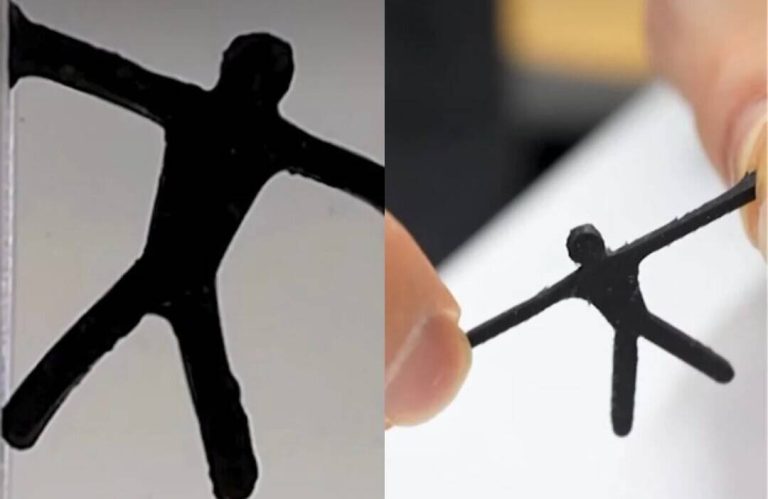
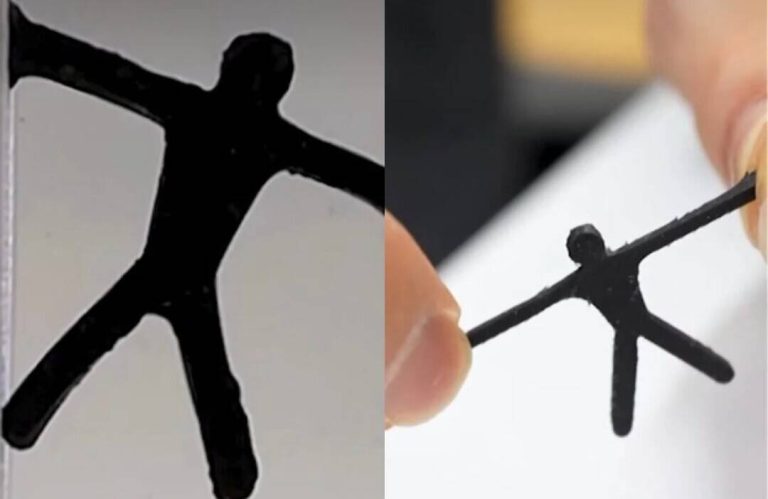
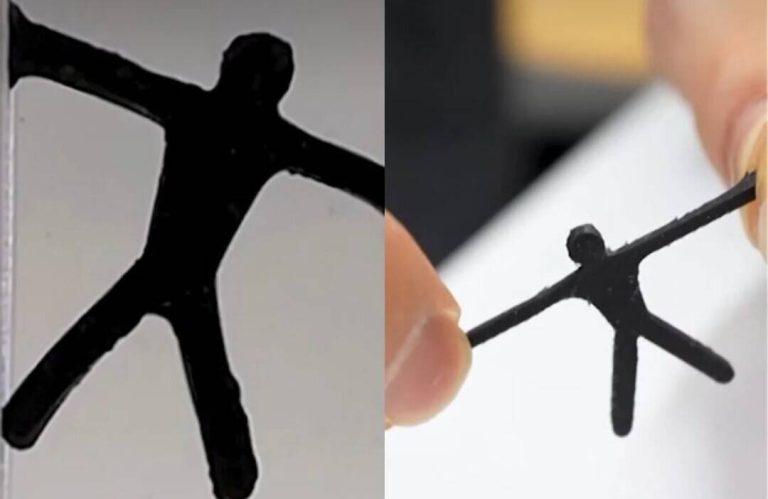
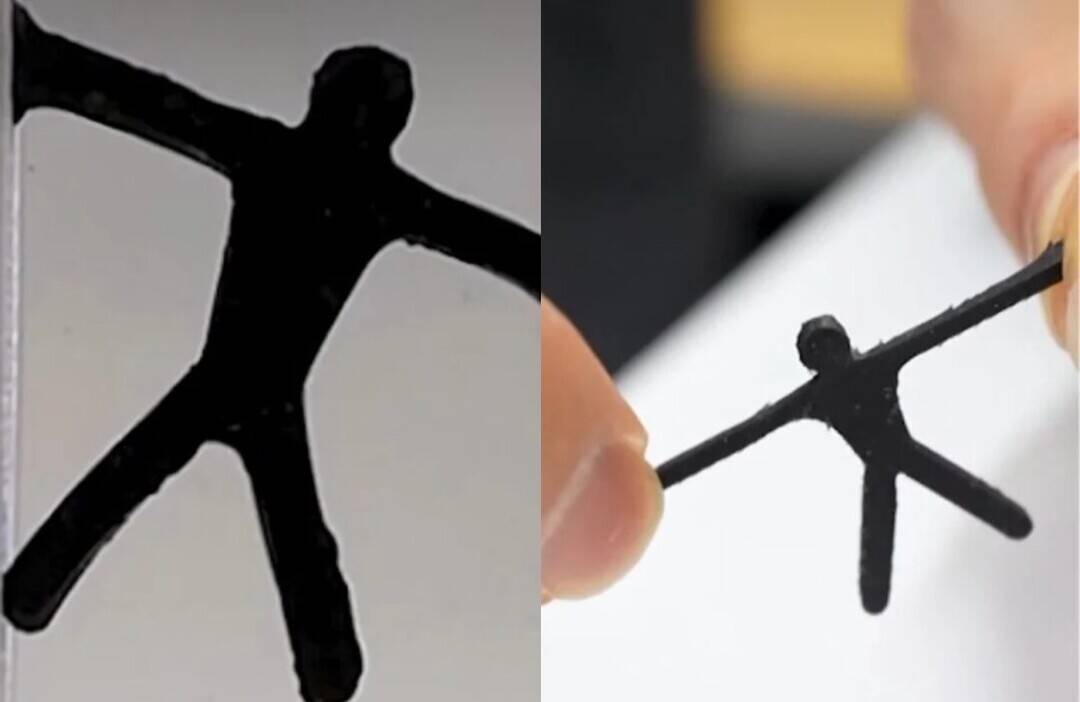
In a groundbreaking achievement, British researchers have developed a soft, jelly-like robot that moves and changes shape using external electric fields, without the need for motors or joints. This innovative design, created by scientists at the University of Bristol, enables the robot to reshape its body to bend, stretch, and move in a way that is both fascinating and potentially revolutionary.
The concept of a shape-shifting robot is not new, but previous attempts have often relied on complex systems of motors, joints, and rigid structures. In contrast, the new jelly-like robot uses a unique combination of materials and electric fields to achieve its remarkable movements. By applying an electric field to the robot’s body, the researchers can control its shape and movement, allowing it to navigate through tight spaces and interact with its environment in a way that is both flexible and precise.
One of the most significant advantages of this new design is its potential for use in exploration and inspection applications. The robot’s soft, jelly-like body makes it ideal for navigating fragile or hazardous environments, where traditional rigid robots might cause damage or become stuck. For example, the robot could be used to explore narrow pipes or ducts, inspect delicate equipment, or even navigate through rubble or debris.
The University of Bristol scientists behind the project have already demonstrated the robot’s capabilities in a series of experiments. By applying different electric fields, they were able to make the robot change shape, move, and even manipulate small objects. The robot’s movements were smooth and precise, and it was able to adapt to changing environments and situations with ease.
The development of this shape-shifting jelly robot has significant implications for a wide range of fields, from robotics and engineering to medicine and environmental monitoring. For example, the robot could be used to inspect and maintain complex systems, such as pipelines or industrial equipment, or to search for survivors in disaster scenarios. It could also be used to monitor and study delicate ecosystems, such as coral reefs or other fragile environments.
The use of electric fields to control the robot’s movements also offers a number of advantages over traditional motor-based systems. Electric fields are quiet, efficient, and can be easily controlled, making them ideal for applications where noise or vibration might be a problem. Additionally, the robot’s soft body makes it highly resistant to damage, and it can withstand significant amounts of stress and strain without suffering damage.
The University of Bristol researchers are already exploring a range of potential applications for their shape-shifting jelly robot. They are working with colleagues from other disciplines, including engineering, biology, and medicine, to develop new uses for the technology and to push the boundaries of what is possible.
As the field of robotics continues to evolve, it is likely that we will see more innovations like the shape-shifting jelly robot. The use of soft, flexible materials and electric fields to control movement and shape is a significant step forward, and it has the potential to revolutionize a wide range of applications. From exploration and inspection to medicine and environmental monitoring, the possibilities are endless, and it will be exciting to see where this technology takes us in the future.
In conclusion, the development of the shape-shifting jelly robot by UK scientists is a remarkable achievement that has the potential to transform a wide range of fields. Its unique combination of soft, flexible materials and electric fields makes it ideal for use in tight, fragile, or hazardous environments, and its potential applications are vast. As researchers continue to explore and develop this technology, we can expect to see new and innovative uses for the shape-shifting jelly robot, and it will be exciting to see where this technology takes us in the future.
About the Author