Youngsters may not want to see 70-yr-old’s story: Imran on 3 Khans
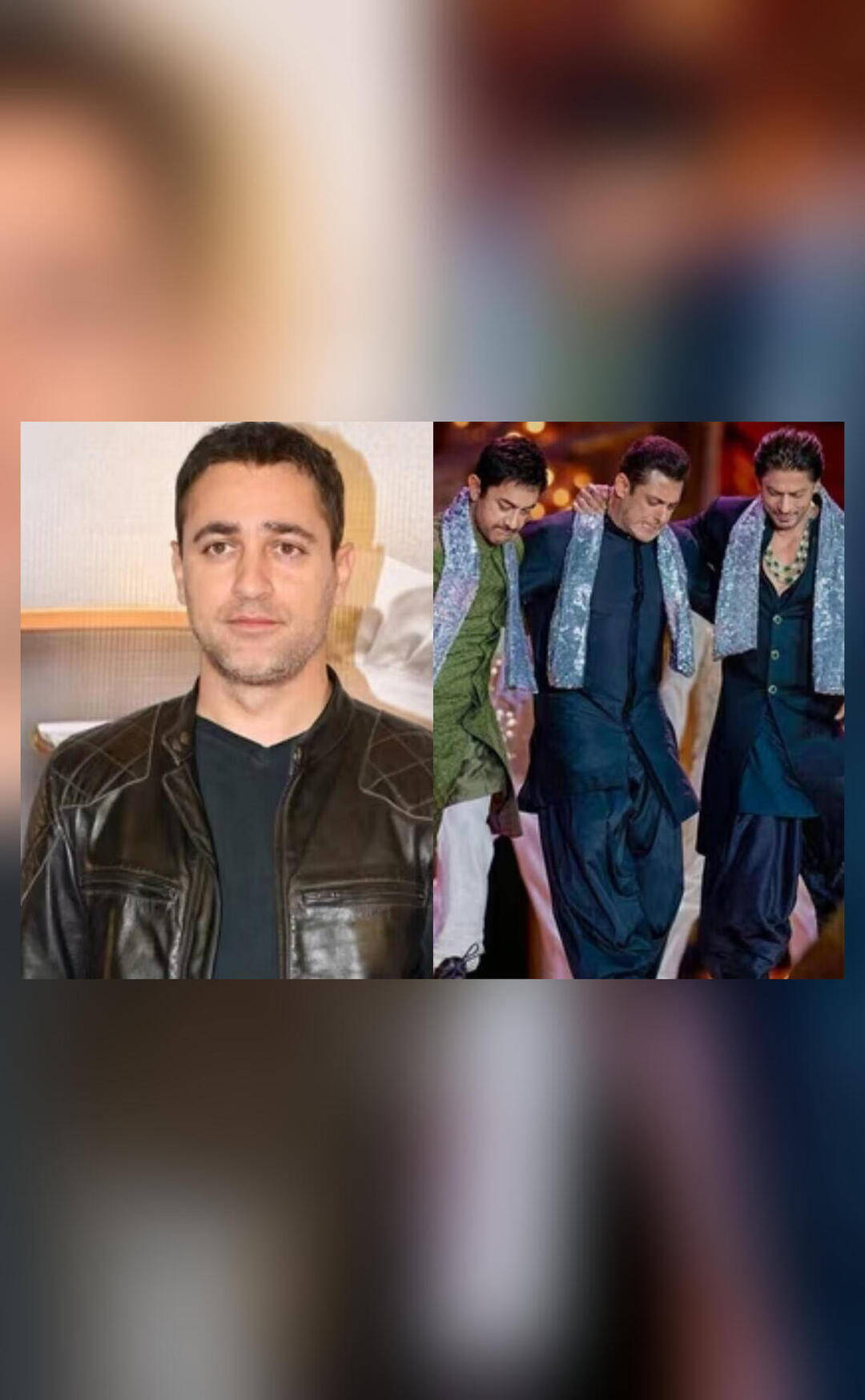
The Bollywood film industry has been dominated by three iconic actors – Salman Khan, Shah Rukh Khan, and Aamir Khan – for decades. These actors, commonly referred to as the “3 Khans,” have been the face of Indian cinema, entertaining audiences with their charismatic performances and captivating storylines. However, with the passage of time, the industry has witnessed a significant shift in audience preferences, particularly among the younger generation.
In a recent statement, actor Imran Khan expressed his opinion on the current state of the industry, suggesting that the 3 Khans should now take on age-appropriate roles. According to Imran, the changing demographics of the audience and the evolution of their tastes necessitate a transformation in the way these veteran actors approach their film choices. “There’s a whole new younger generation that begins to attach itself to people closer to them in age,” he said, highlighting the importance of relatability in storytelling.
Imran’s statement is not unfounded, as the Indian film industry has indeed undergone a significant transformation in recent years. The rise of new-age actors, such as Ranveer Singh, Varun Dhawan, and Alia Bhatt, has brought fresh perspectives and energies to the screen. These younger actors have been able to connect with the newer, younger audience, who are looking for stories that resonate with their own experiences and aspirations.
Moreover, the changing audience preferences are not limited to the age factor alone. The younger generation is also more discerning and demanding when it comes to the quality of storytelling, characters, and overall cinematic experience. They are exposed to a wide range of global content, thanks to the proliferation of streaming platforms, and consequently, their expectations from Indian cinema have increased.
In this context, Imran’s suggestion that the 3 Khans should take on age-appropriate roles is a pragmatic one. As these actors approach their 60s and 70s, it is essential for them to reassess their film choices and opt for roles that are more suited to their age and experience. This is not to say that they cannot continue to act or that their talent has diminished; rather, it is about recognizing the changing landscape of the industry and adapting to it.
For instance, Aamir Khan, known for his meticulous approach to filmmaking, has already begun to explore more mature roles in his recent films. His portrayal of a father in “Dangal” (2016) and a music composer in “Secret Superstar” (2017) showcased his ability to take on more nuanced, age-appropriate characters. Similarly, Shah Rukh Khan has also experimented with more mature roles, such as in “Fan” (2016) and “Dilwale” (2015), although with mixed results.
Salman Khan, on the other hand, has been more resistant to change, often sticking to his tried-and-tested formula of action-packed, larger-than-life roles. While this approach has worked for him in the past, it may not be sustainable in the long run, especially as the audience becomes increasingly younger and more discerning.
Ultimately, Imran’s statement highlights the need for the 3 Khans to evolve and adapt to the changing times. As he aptly put it, “Younger viewers may not want to watch stories centered on a 70-year-old man.” This is not a criticism of these actors or their abilities but rather a recognition of the fact that the industry is constantly evolving, and it is essential for them to stay relevant and connected with their audience.
In conclusion, the Indian film industry is undergoing a significant transformation, driven by changing audience preferences and the rise of new-age actors. As the 3 Khans continue to be an integral part of the industry, it is essential for them to take on age-appropriate roles, exploring more mature and nuanced characters that resonate with the younger generation. By doing so, they can ensure that their legacy continues to endure, even as the industry evolves and new talent emerges.
About the Author