UK scientists create shape-shifting jelly robot that moves with electric fields
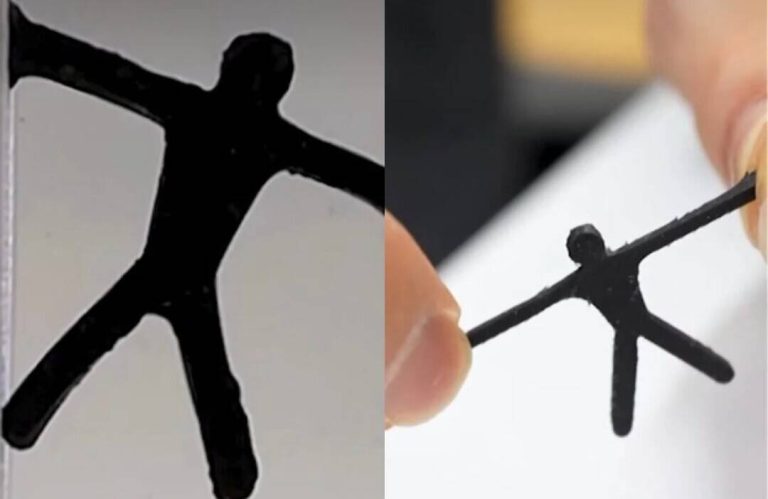
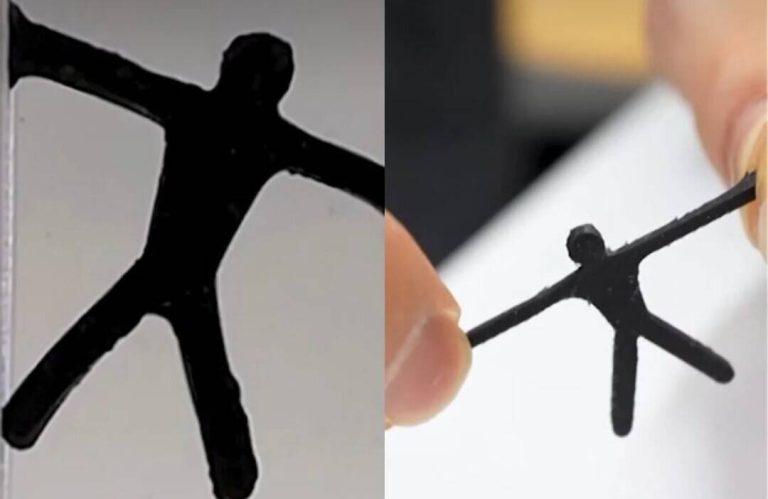
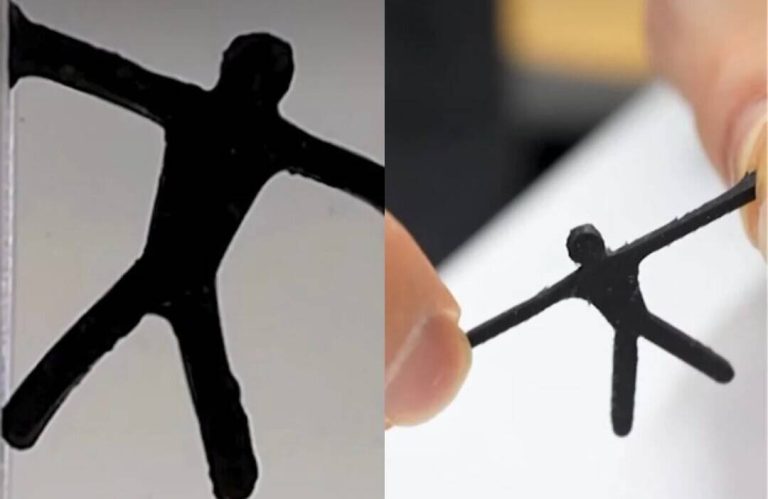
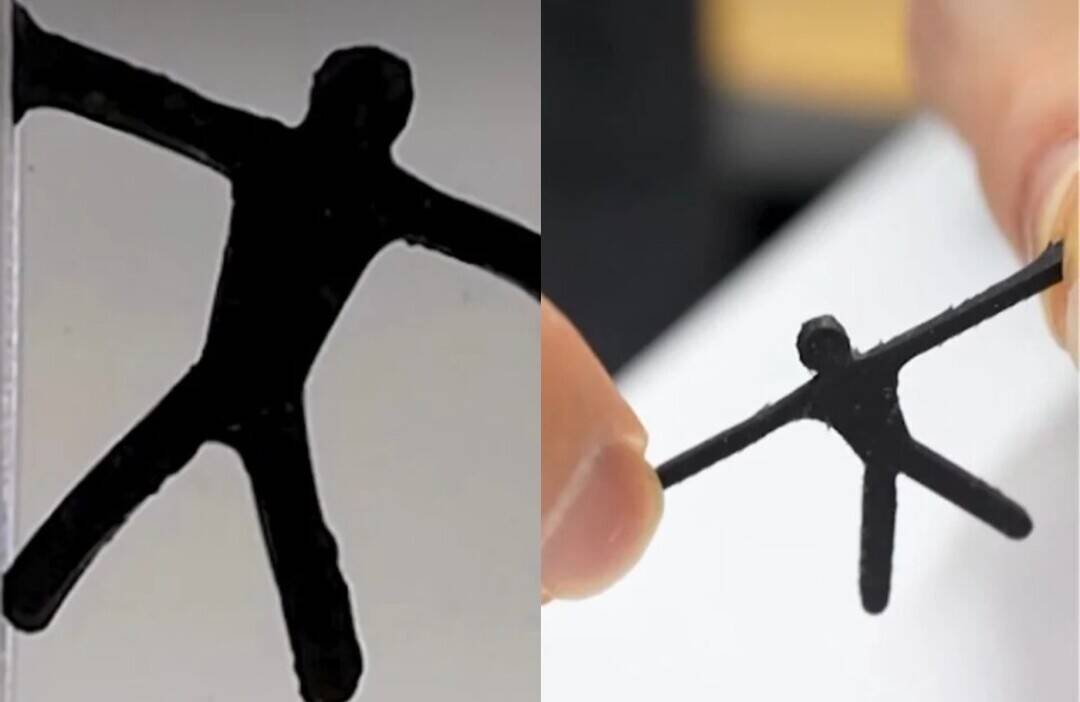
In a groundbreaking achievement, British researchers have developed a soft, jelly-like robot that can move and change shape using external electric fields, eliminating the need for traditional motors or joints. Designed by a team of scientists at the University of Bristol, this innovative robot has the ability to reshape its body to bend, stretch, and move, opening up new possibilities for exploration in tight, fragile, or hazardous environments.
The concept of a shape-shifting robot may seem like the stuff of science fiction, but it has been made a reality by the University of Bristol team. By harnessing the power of electric fields, the robot can alter its shape and move around without the need for any mechanical components. This is achieved through the use of a specialized material that responds to electric fields, allowing the robot to change its shape and move in a variety of ways.
One of the most significant advantages of this new robot is its ability to navigate through tight spaces and fragile environments without causing damage. Traditional robots, with their rigid bodies and mechanical components, can often be too bulky or heavy for such tasks, risking damage to the surrounding environment. In contrast, the soft, jelly-like robot can squeeze through narrow openings and move through delicate areas with ease, making it an ideal tool for search and rescue missions, environmental monitoring, or even medical procedures.
The robot’s ability to change shape also allows it to adapt to different situations and environments. For example, it can flatten itself to fit through narrow openings or stretch out to reach distant objects. This level of flexibility and adaptability makes it an extremely useful tool for a wide range of applications, from exploration and inspection to medical procedures and search and rescue missions.
The development of this shape-shifting robot is also a significant step forward in the field of soft robotics. Soft robots are designed to be flexible and adaptable, allowing them to interact with their environment in a more gentle and nuanced way. They have a wide range of potential applications, from healthcare and manufacturing to environmental monitoring and search and rescue. The University of Bristol team’s innovation has the potential to revolutionize the field of soft robotics, enabling the creation of robots that can adapt and change shape in response to their environment.
The team’s research has also highlighted the potential for electric fields to be used as a means of controlling and manipulating soft robots. By using electric fields to change the shape and movement of the robot, the team has demonstrated a new and innovative way of controlling soft robots. This could have significant implications for the development of future soft robots, allowing them to be controlled and manipulated in a more precise and nuanced way.
The potential applications of this shape-shifting robot are vast and varied. It could be used to explore tight spaces, such as pipes or tunnels, or to inspect delicate equipment, such as medical devices or aerospace components. It could also be used in search and rescue missions, allowing it to navigate through rubble or debris to reach trapped individuals. Additionally, it could be used in environmental monitoring, allowing it to track and monitor changes in delicate ecosystems.
In conclusion, the development of a shape-shifting jelly robot that moves with electric fields is a significant achievement that has the potential to revolutionize the field of soft robotics. The University of Bristol team’s innovation has demonstrated a new and innovative way of controlling and manipulating soft robots, and has highlighted the potential for electric fields to be used as a means of controlling and manipulating soft robots. With its ability to change shape and move through tight spaces, this robot has the potential to aid exploration in tight, fragile, or hazardous environments, and could have a significant impact on a wide range of fields, from healthcare and manufacturing to environmental monitoring and search and rescue.
About the Author