Elon Musk’s SpaceX delays Mars plans for 2027 Moon landing: WSJ
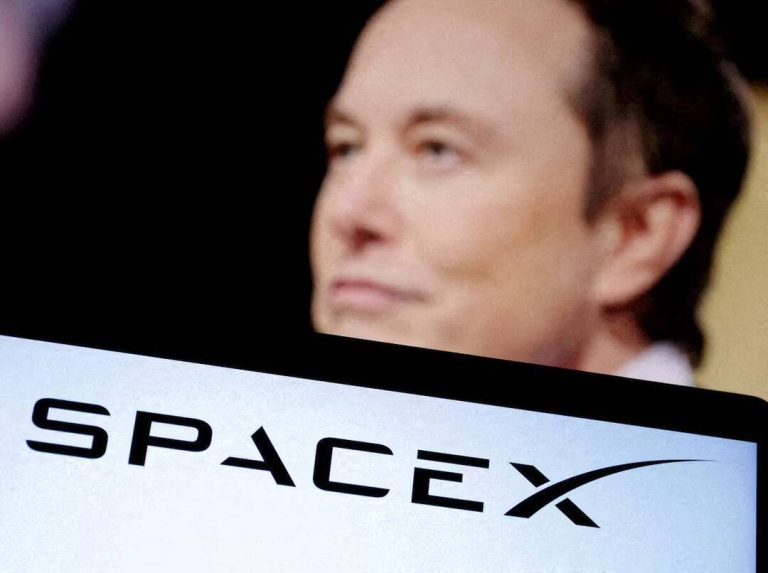
In a significant shift in its space exploration strategy, Elon Musk’s SpaceX has delayed its plans to launch a trip to Mars, opting instead to focus on its Moon mission. According to a report by the Wall Street Journal, the space venture has informed its investors that it is now targeting a lunar landing without astronauts on board for March 2027. This development marks a significant change in SpaceX’s priorities, as the company had previously been working towards establishing a human presence on Mars.
The decision to delay the Mars mission is likely a result of the complexities and challenges involved in sending humans to the Red Planet. Establishing a sustainable human presence on Mars would require significant technological advancements, infrastructure development, and logistical planning. By focusing on the Moon mission, SpaceX can test and refine its technologies, gain valuable experience, and build momentum before embarking on the more ambitious Mars mission.
The lunar landing, scheduled for March 2027, will be an uncrewed mission, meaning that it will not carry any astronauts on board. This will allow SpaceX to test its spacecraft, navigation systems, and landing technologies in a real-world environment, without the risks and complexities associated with human spaceflight. The success of this mission will be a crucial stepping stone for SpaceX’s future plans, including its eventual goal of establishing a permanent human presence on the Moon and beyond.
The news of the delayed Mars mission comes on the heels of a significant development in Elon Musk’s business empire. Earlier this week, Musk merged SpaceX and his AI start-up xAI into one entity, valued at a staggering $1.25 trillion. This move is seen as a strategic decision to integrate Musk’s various business ventures and create a more cohesive and powerful organization. The combined entity will likely have a significant impact on the space industry, as well as the broader tech sector.
The merger of SpaceX and xAI is expected to accelerate the development of cutting-edge technologies, including artificial intelligence, robotics, and advanced propulsion systems. By integrating these technologies, SpaceX can create more sophisticated and capable spacecraft, which will be essential for its future missions, including the lunar landing and eventually, the Mars mission.
The delay of the Mars mission is not entirely unexpected, given the significant technical and logistical challenges involved. However, it is a testament to SpaceX’s commitment to rigorous testing, safety, and excellence. By focusing on the Moon mission and delaying the Mars mission, SpaceX is demonstrating its willingness to take a step back, reassess its priorities, and ensure that it is adequately prepared for the challenges that lie ahead.
The Moon mission, scheduled for March 2027, will be a significant milestone for SpaceX and the space industry as a whole. It will mark a major step towards establishing a sustainable human presence in space and will pave the way for future missions to the Moon, Mars, and beyond. As SpaceX continues to push the boundaries of space exploration, it is likely that we will see significant advancements in technology, innovation, and our understanding of the universe.
In conclusion, the delay of SpaceX’s Mars mission is a strategic decision that reflects the company’s commitment to safety, excellence, and rigorous testing. By focusing on the Moon mission, SpaceX can refine its technologies, gain valuable experience, and build momentum for its future plans. As the space industry continues to evolve, it will be exciting to watch SpaceX and other space ventures push the boundaries of what is possible and explore the vast expanse of space.
Source: https://www.reuters.com/science/spacex-delays-mars-plans-focus-moon-wsj-reports-2026-02-06/
About the Author