No steps taken in India-US trade deal that harm farmers: Goyal
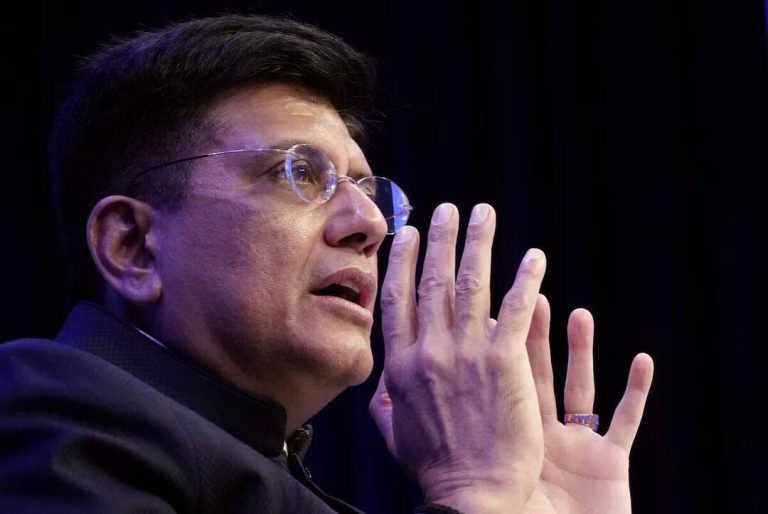
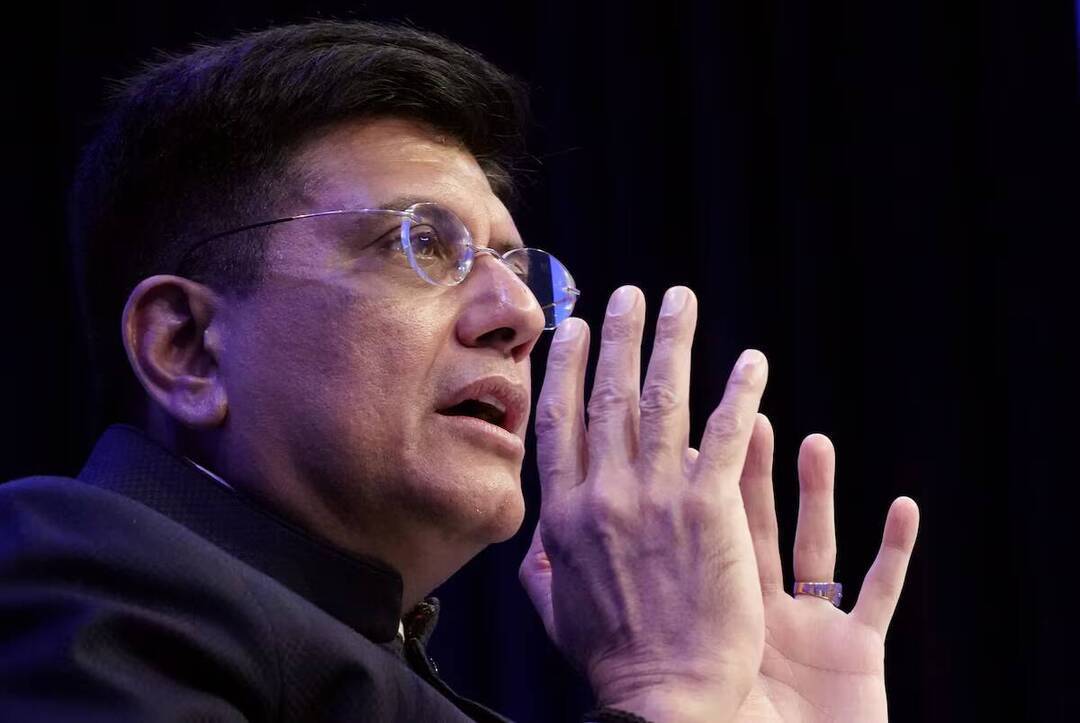
In a recent statement, Commerce Minister Piyush Goyal has reassured the nation that India has taken no measures that harm the interests of the country’s farmers in the trade deal with the United States. On the contrary, many agricultural products from Indian farmers will be exported to the US at zero duty, he stated. This move is expected to provide a significant boost to India’s agricultural sector, which is a crucial part of the country’s economy.
Goyal’s statement comes as a response to concerns raised by some sections of the society that the India-US trade deal may not be in the best interest of Indian farmers. However, the Commerce Minister has clarified that the government has taken all necessary steps to ensure that the deal benefits the farmers and the agricultural sector as a whole. In fact, he stated that some people in India “who’re against the interests of the farmers” are surprised by the deal, indicating that the government has taken a proactive approach to protect the interests of the farmers.
The India-US trade deal is a significant development in the economic relationship between the two countries. The deal is expected to increase trade between the two nations and provide new opportunities for businesses and industries in both countries. However, the impact of the deal on India’s agricultural sector was a major concern for many stakeholders. The government’s decision to allow the export of agricultural products to the US at zero duty is expected to address these concerns and provide a significant boost to the sector.
India is a major producer of agricultural products, and the export of these products to the US is expected to increase significantly under the new trade deal. The country’s farmers produce a wide range of crops, including wheat, rice, cotton, and spices, among others. The export of these products to the US is expected to increase the income of farmers and provide new opportunities for them to sell their products in the global market.
The Commerce Minister’s statement has been welcomed by farmers’ organizations and other stakeholders in the agricultural sector. They have praised the government’s decision to protect the interests of farmers and ensure that the trade deal benefits the agricultural sector. The move is also expected to increase the competitiveness of Indian agricultural products in the global market and provide new opportunities for farmers to sell their products.
However, some critics have raised concerns that the trade deal may not be in the best interest of Indian farmers in the long run. They argue that the deal may lead to an increase in imports of agricultural products from the US, which could harm the interests of Indian farmers. They also argue that the deal may lead to a loss of sovereignty for India, as the country may be forced to accept certain conditions and standards set by the US.
Despite these concerns, the Commerce Minister has reassured the nation that the government has taken all necessary steps to protect the interests of farmers and the agricultural sector. He has stated that the government will continue to monitor the situation and take necessary steps to ensure that the trade deal benefits the country’s farmers and agricultural sector.
In conclusion, the India-US trade deal is a significant development in the economic relationship between the two countries. The deal is expected to increase trade between the two nations and provide new opportunities for businesses and industries in both countries. The government’s decision to allow the export of agricultural products to the US at zero duty is expected to provide a significant boost to India’s agricultural sector and increase the income of farmers. While some concerns have been raised about the impact of the deal on Indian farmers, the Commerce Minister has reassured the nation that the government has taken all necessary steps to protect their interests.
The government’s move to protect the interests of farmers is a welcome step, and it is expected to have a positive impact on the agricultural sector. The deal is also expected to increase the competitiveness of Indian agricultural products in the global market and provide new opportunities for farmers to sell their products. As the trade deal is implemented, it is expected to have a significant impact on the Indian economy and provide new opportunities for businesses and industries in the country.
The India-US trade deal is a significant development in the economic relationship between the two countries, and it is expected to have a major impact on the Indian economy. The deal is expected to increase trade between the two nations and provide new opportunities for businesses and industries in both countries. The government’s decision to protect the interests of farmers is a welcome step, and it is expected to have a positive impact on the agricultural sector.
As the trade deal is implemented, it is expected to have a significant impact on the Indian economy. The deal is expected to increase the competitiveness of Indian businesses and industries in the global market and provide new opportunities for them to sell their products. The deal is also expected to attract new investments into the country and provide new opportunities for job creation.
In the long run, the India-US trade deal is expected to have a major impact on the Indian economy. The deal is expected to increase trade between the two nations and provide new opportunities for businesses and industries in both countries. The government’s decision to protect the interests of farmers is a welcome step, and it is expected to have a positive impact on the agricultural sector.
Overall, the India-US trade deal is a significant development in the economic relationship between the two countries. The deal is expected to increase trade between the two nations and provide new opportunities for businesses and industries in both countries. The government’s decision to protect the interests of farmers is a welcome step, and it is expected to have a positive impact on the agricultural sector.
Source: https://x.com/ANI/status/2020058239543701827
About the Author