UK scientists create shape-shifting jelly robot that moves with electric fields
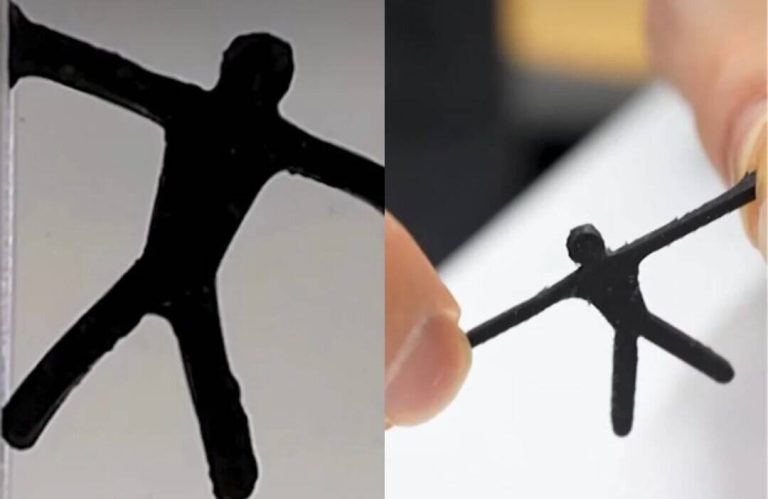
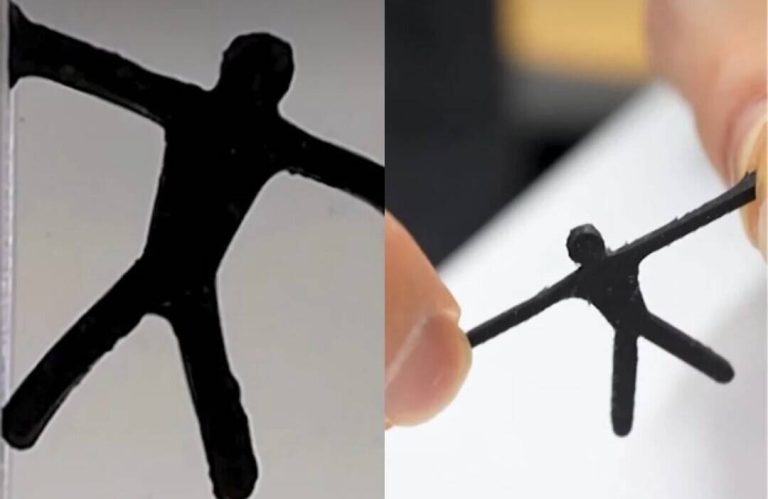
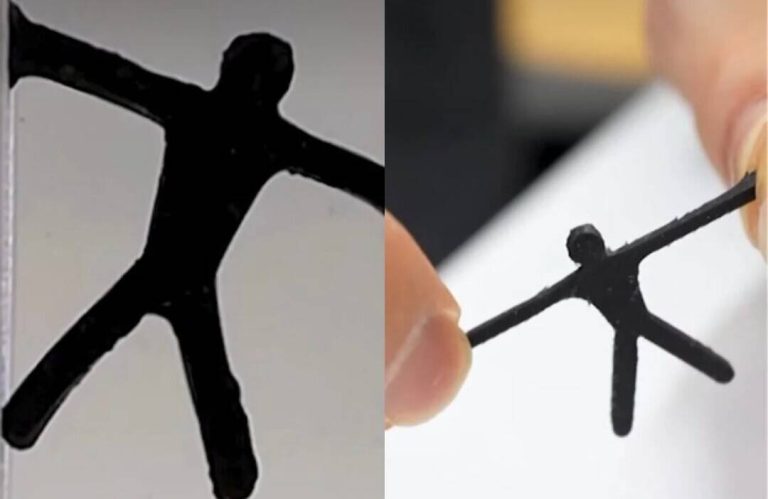
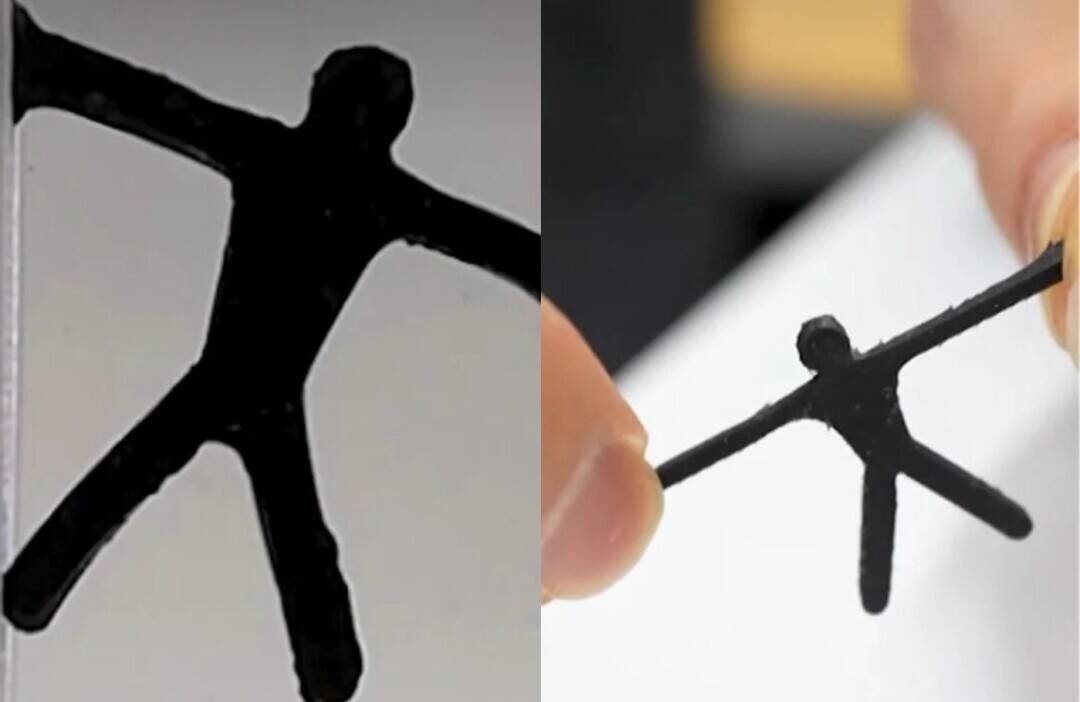
In a groundbreaking achievement, British researchers have developed a revolutionary soft, jelly-like robot that can move and change shape using external electric fields, without the need for motors or joints. This innovative creation, designed by scientists at the University of Bristol, has the ability to reshape its body to bend, stretch, and move in various directions. The potential applications of this shape-shifting robot are vast, and experts believe it could aid exploration in tight, fragile, or hazardous environments.
The robot, which resembles a jelly-like substance, is made of a soft, flexible material that can be controlled using electric fields. By applying an electric field to the robot, the researchers can manipulate its shape and movement, allowing it to navigate through complex environments with ease. This is achieved through the use of electroactive polymers, which are materials that change shape or size when stimulated by an electric field.
The University of Bristol scientists behind this innovation have designed the robot to be highly flexible and adaptable, allowing it to change its shape and movement in response to different electric fields. This means that the robot can be controlled to move in a variety of ways, from bending and stretching to twisting and turning. The robot’s soft and flexible nature also makes it ideal for navigating through tight spaces, where traditional robots with rigid bodies may struggle to fit.
One of the most significant advantages of this shape-shifting robot is its potential to aid exploration in environments that are difficult or impossible for humans to access. For example, the robot could be used to explore tight spaces in buildings or infrastructure, such as pipes or ducts, to detect damage or leaks. It could also be used to navigate through fragile or hazardous environments, such as disaster zones or areas with toxic substances, where traditional robots may be unable to operate safely.
The development of this shape-shifting robot is a significant breakthrough in the field of robotics, and it has the potential to revolutionize the way we approach exploration and inspection in complex environments. The use of electric fields to control the robot’s movement and shape also eliminates the need for motors or joints, which can be bulky and prone to failure. This makes the robot highly reliable and efficient, with a long lifespan and low maintenance requirements.
The researchers behind this innovation are excited about the potential applications of their shape-shifting robot, and they are already exploring ways to develop it further. They believe that the robot could be used in a variety of fields, from construction and engineering to healthcare and environmental monitoring. With its ability to change shape and move in response to electric fields, the robot could be used to inspect and maintain complex systems, such as pipelines or bridges, or to monitor and respond to environmental changes, such as pollution or natural disasters.
In addition to its practical applications, the shape-shifting robot also has the potential to inspire new areas of research and development. The use of electroactive polymers and electric fields to control the robot’s movement and shape opens up new possibilities for the development of soft and flexible robots that can interact with their environment in complex ways. This could lead to the creation of new types of robots that can adapt and respond to changing situations, and that can operate in a variety of environments, from the human body to outer space.
In conclusion, the development of the shape-shifting jelly robot by UK scientists is a significant achievement that has the potential to revolutionize the field of robotics. With its ability to change shape and move in response to electric fields, the robot could aid exploration in tight, fragile, or hazardous environments, and inspire new areas of research and development. As the researchers continue to develop and refine their innovation, we can expect to see new and exciting applications of this technology in the years to come.
About the Author