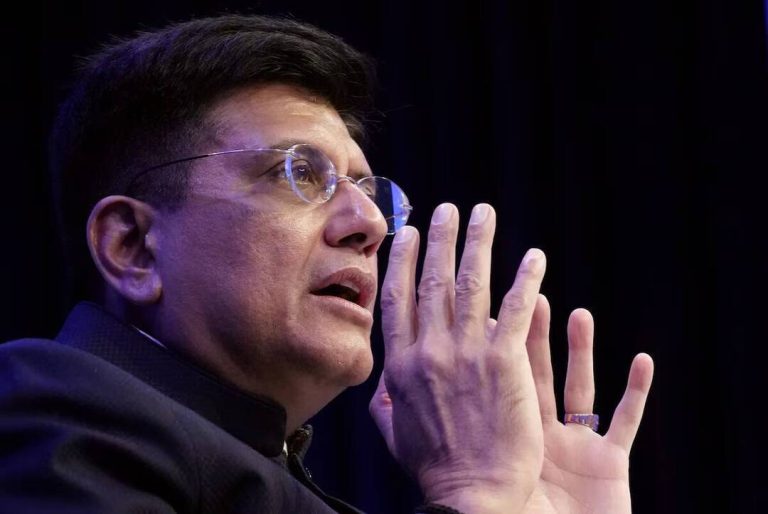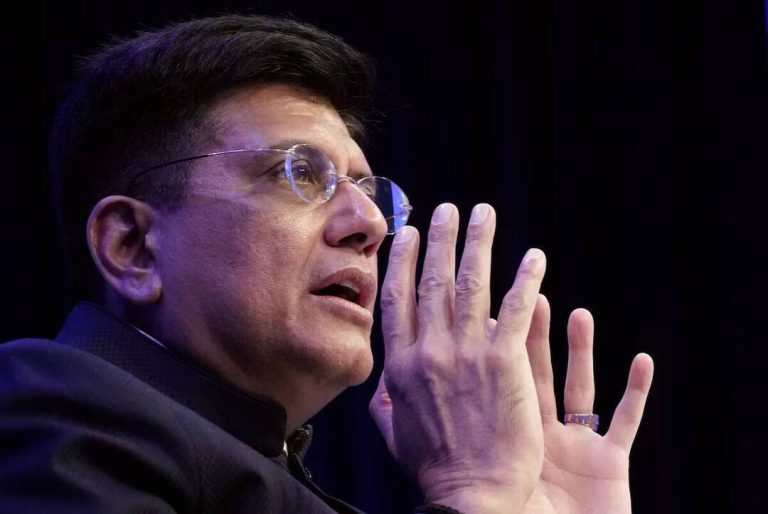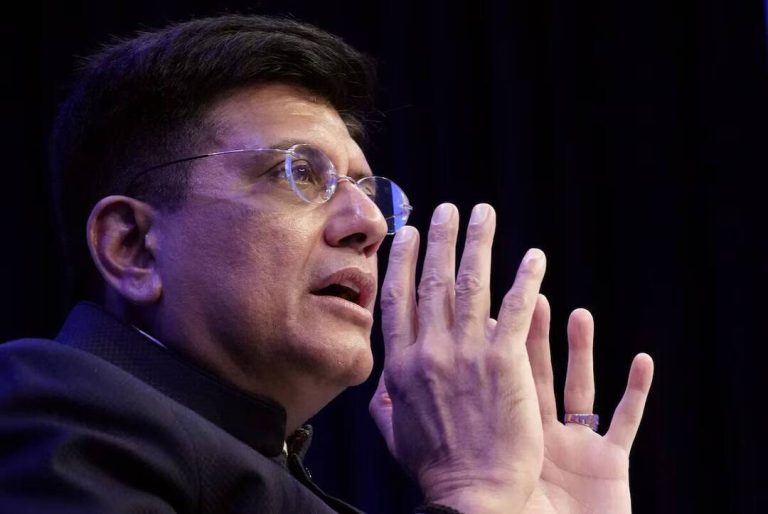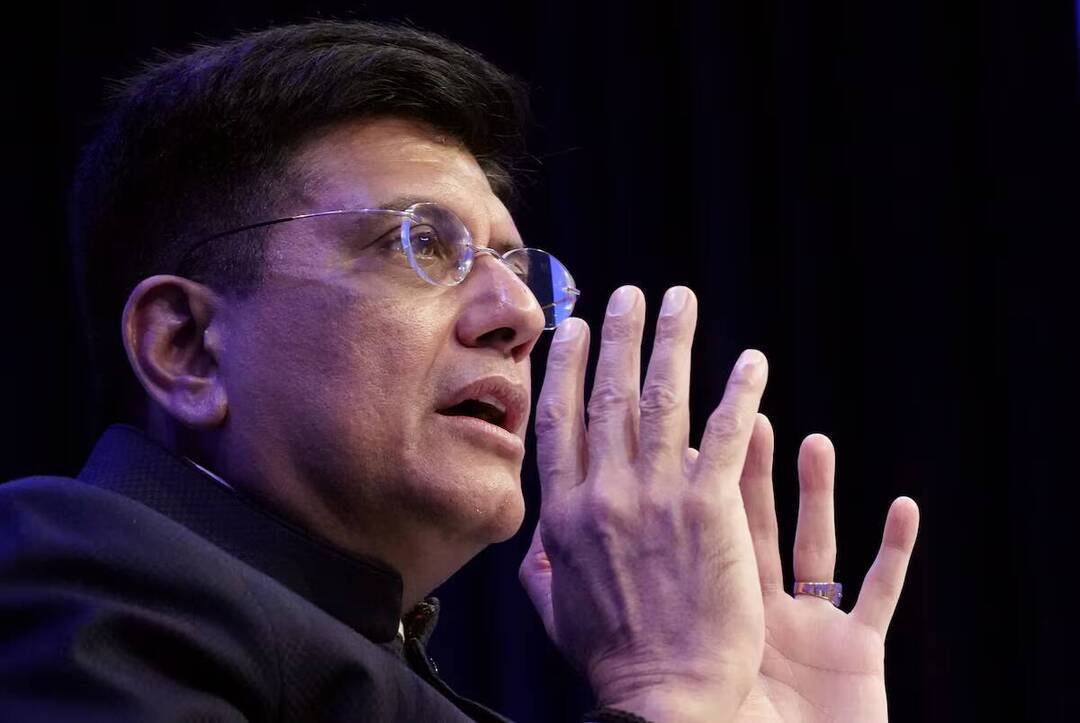
No steps taken in India-US trade deal that harm farmers: Goyal
The Indian government has been actively engaged in negotiations with the United States to finalize a trade deal that benefits both countries. One of the key concerns raised by various stakeholders in India is the potential impact of the trade deal on the country’s farmers. However, Commerce Minister Piyush Goyal has reassured that the government has taken no measures that harm the interests of Indian farmers in the trade deal with the US.
According to Goyal, the trade deal between India and the US will actually benefit Indian farmers, as many agricultural products from India will be exported to the US at zero duty. This move is expected to boost India’s agricultural exports and provide a significant opportunity for Indian farmers to access the large US market. Goyal stated that the government has ensured that the interests of Indian farmers are protected and promoted in the trade deal.
Goyal also criticized some individuals in India who are opposing the trade deal, stating that they are “against the interests of the farmers.” He expressed surprise that these individuals are opposing the deal, despite the fact that it will benefit Indian farmers. The Commerce Minister’s statement suggests that the government is confident that the trade deal will have a positive impact on India’s agricultural sector and will provide new opportunities for Indian farmers to export their products to the US.
The trade deal between India and the US has been in the works for several months, with both countries engaging in intense negotiations to finalize the agreement. The deal is expected to cover a range of areas, including trade in goods and services, investment, and intellectual property. The Indian government has been keen to finalize the deal, as it is expected to boost India’s exports and attract more foreign investment into the country.
One of the key areas of focus in the trade deal has been the issue of tariffs and market access. The US has been pushing India to reduce its tariffs on certain agricultural products, such as dairy and poultry, while India has been seeking greater market access for its own agricultural exports. The fact that India has secured zero-duty access for many of its agricultural products is a significant achievement, and is expected to provide a major boost to the country’s agricultural exports.
The trade deal is also expected to have a positive impact on India’s economy, as it will provide new opportunities for Indian businesses to export their products to the US. The US is one of India’s largest trading partners, and the trade deal is expected to further strengthen bilateral trade relations between the two countries. The Indian government has set an ambitious target of increasing the country’s exports to $2 trillion by 2025, and the trade deal with the US is expected to play a key role in achieving this goal.
Despite the potential benefits of the trade deal, there are still some concerns that need to be addressed. Some Indian farmers’ organizations have expressed concerns that the deal could lead to an influx of cheap agricultural imports from the US, which could harm the interests of Indian farmers. The government will need to ensure that the interests of Indian farmers are protected and promoted in the trade deal, and that the benefits of the deal are shared equitably among all stakeholders.
In conclusion, the Commerce Minister’s statement that no steps have been taken in the India-US trade deal that harm farmers is a reassuring one. The fact that many agricultural products from India will be exported to the US at zero duty is a significant achievement, and is expected to provide a major boost to India’s agricultural exports. The government will need to ensure that the interests of Indian farmers are protected and promoted in the trade deal, and that the benefits of the deal are shared equitably among all stakeholders.
Source: https://x.com/ANI/status/2020058239543701827
About the Author