In farmers’ best interest: JD(U) MP on India-US interim trade deal
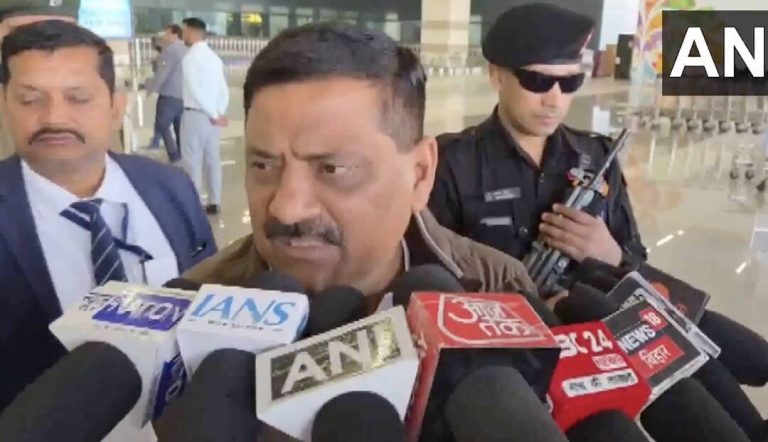
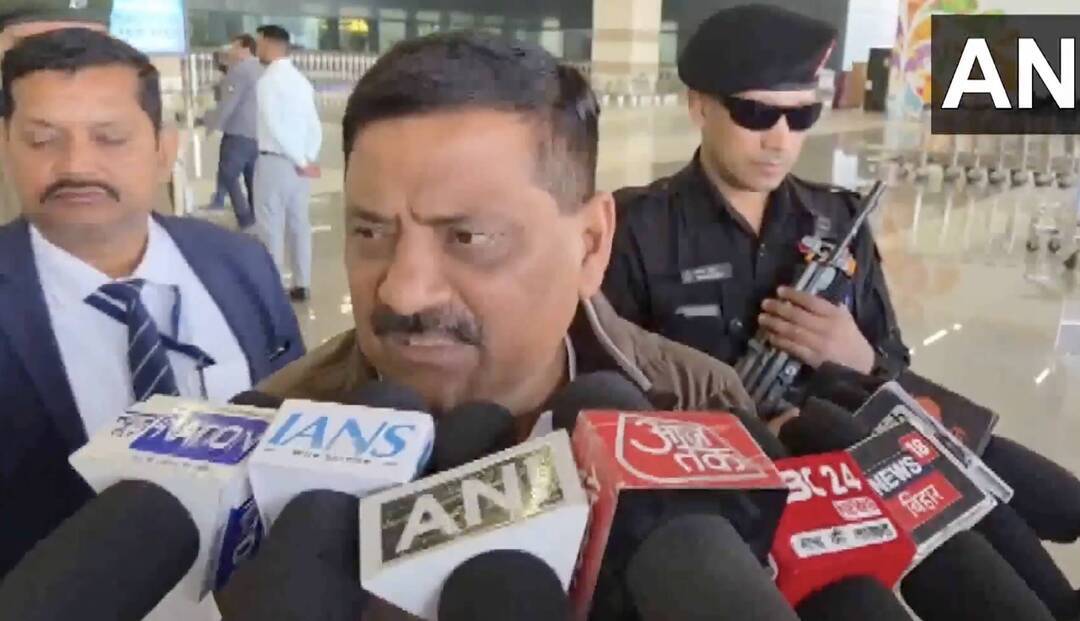
The recent India-US interim trade agreement has been making headlines, with various stakeholders weighing in on its potential impact. One such stakeholder is JD(U) MP Sanjay Kumar Jha, who has come out in support of the agreement, stating that it is in the best interests of the farmers. In a statement, Jha said, “The trade agreement is in the best interests of the farmers.” He further added, “The tariffs have also been slashed…India has also announced trade deals with other nations.”
This statement comes as a welcome relief to the farming community, which has been facing numerous challenges in recent times. The Indian agricultural sector has been struggling with issues such as low profitability, lack of infrastructure, and limited access to markets. The interim trade deal with the US is expected to address some of these issues, by providing Indian farmers with greater access to the American market.
One of the key features of the interim trade deal is the reduction in tariffs on certain goods. The US has agreed to lower its tariffs on Indian exports, such as textiles, pharmaceuticals, and agricultural products. This is expected to make Indian goods more competitive in the American market, which in turn will benefit Indian farmers. For instance, the reduction in tariffs on agricultural products will enable Indian farmers to export their produce to the US at a lower cost, thereby increasing their profitability.
Another significant aspect of the interim trade deal is the protection of sensitive agriculture and dairy products. India has fully protected these products under the agreement, which means that the US will not be able to export these products to India. This is a significant victory for Indian farmers, who have been concerned about the potential impact of American agricultural exports on their livelihoods.
The protection of sensitive agriculture and dairy products is also in line with the Indian government’s commitment to supporting its farmers. The government has been taking various steps to boost the agricultural sector, including the implementation of schemes such as the Pradhan Mantri Kisan Samman Nidhi (PM-KISAN) and the Pradhan Mantri Fasal Bima Yojana (PMFBY). These schemes aim to provide financial support to farmers, as well as to protect them against crop failures and other risks.
In addition to the interim trade deal with the US, India has also been engaged in trade negotiations with other countries. The government has announced trade deals with nations such as the UAE, Australia, and Japan, which are expected to further boost Indian exports. These trade deals will provide Indian farmers with access to new markets, which will enable them to sell their produce at competitive prices.
The support of the JD(U) MP for the India-US interim trade agreement is significant, as it reflects the growing consensus among policymakers about the need to support Indian farmers. The agricultural sector is a critical component of the Indian economy, accounting for around 18% of the country’s GDP. It also employs a significant proportion of the workforce, with around 50% of the population engaged in agricultural activities.
In conclusion, the India-US interim trade agreement is a significant development for Indian farmers. The reduction in tariffs, protection of sensitive agriculture and dairy products, and access to new markets are all expected to benefit Indian farmers. The support of the JD(U) MP for the agreement reflects the growing recognition among policymakers about the need to support the agricultural sector. As the Indian government continues to negotiate trade deals with other countries, it is likely that the farming community will remain a key priority.
The interim trade deal with the US is just the beginning, and it is likely that India will engage in further trade negotiations with other countries in the coming months. As the country navigates the complex world of international trade, it is essential that the interests of Indian farmers are protected and promoted. The JD(U) MP’s statement is a welcome reminder of the importance of supporting the agricultural sector, and it is likely that the government will continue to prioritize the needs of Indian farmers in its future trade negotiations.
Overall, the India-US interim trade agreement is a positive development for Indian farmers, and it is likely to have a significant impact on the agricultural sector. As the country continues to engage in trade negotiations with other nations, it is essential that the interests of Indian farmers are protected and promoted. With the support of policymakers and the government, Indian farmers are likely to benefit from the growing trade opportunities, and the agricultural sector is expected to play an increasingly important role in the country’s economy.
News Source: https://x.com/ANI/status/2020024863357038983
About the Author