UK Scientists Create Shape-Shifting Jelly Robot that Moves with Electric Fields
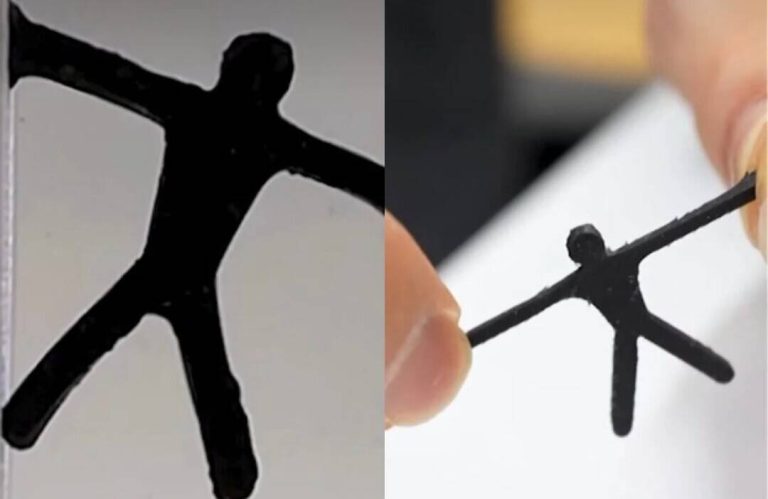
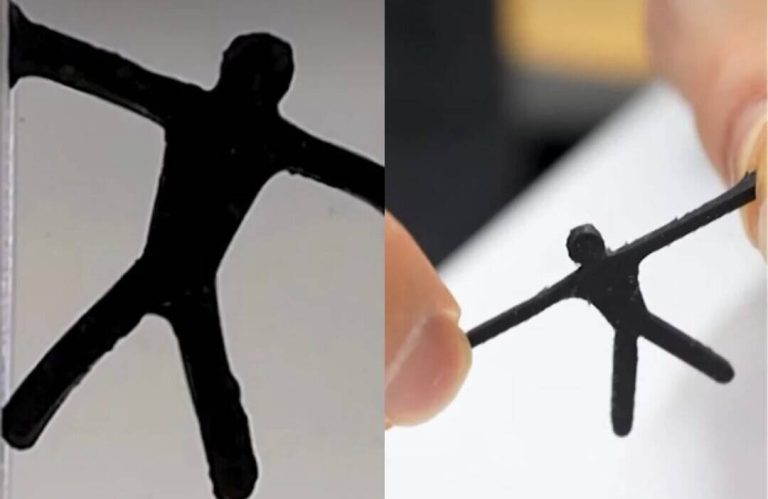
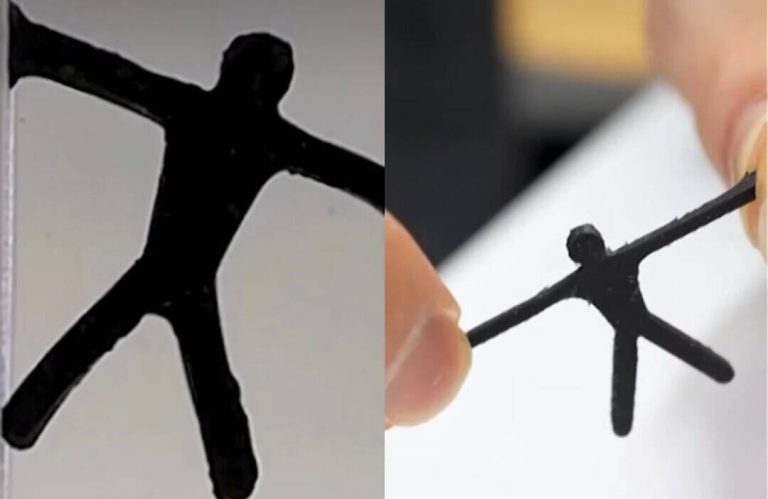
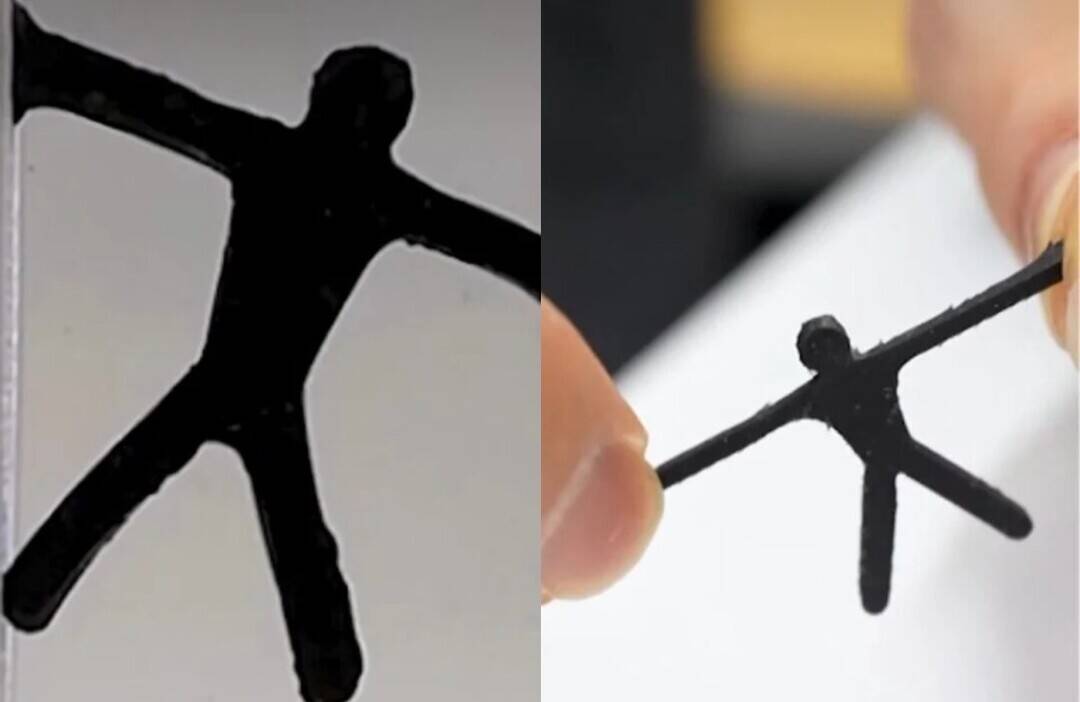
In a groundbreaking achievement, British researchers have successfully developed a soft, jelly-like robot that can move and change shape using external electric fields. This innovative robot, designed by scientists at the University of Bristol, has the ability to reshape its body to bend, stretch, and move without the need for motors or joints. The potential applications of this technology are vast, and experts believe it could aid exploration in tight, fragile, or hazardous environments.
The robot, which has been described as a “shape-shifting” jelly robot, is made from a soft, flexible material that is capable of changing its shape in response to electric fields. This is achieved through the use of a unique material that is able to deform and recover its shape quickly, allowing the robot to move and change direction with ease. The electric fields used to control the robot are generated by a series of electrodes that are placed around the robot’s body, which are then used to manipulate the material and create the desired movements.
One of the most significant advantages of this technology is its potential to access and explore areas that are currently inaccessible to traditional robots. The soft, flexible body of the jelly robot allows it to squeeze through tight spaces and navigate through fragile or hazardous environments without causing damage. This could be particularly useful in search and rescue missions, where traditional robots may be too large or too rigid to access certain areas.
The development of this technology is also expected to have a significant impact on the field of robotics, as it challenges traditional notions of what a robot should look like and how it should move. Traditional robots are often rigid and inflexible, with movements that are limited by their mechanical joints and motors. In contrast, the jelly robot is able to move and change shape in a much more fluid and flexible way, allowing it to adapt to its environment and navigate through complex spaces with ease.
The University of Bristol scientists behind the project have been working on the development of this technology for several years, and have made significant breakthroughs in recent months. The team, led by Dr. Adam Stokes, has been experimenting with different materials and techniques to create the perfect combination of flexibility and control. The result is a robot that is not only able to move and change shape, but also able to interact with its environment in a highly sophisticated way.
The potential applications of this technology are vast, and experts believe it could be used in a wide range of fields, from search and rescue to environmental monitoring. The ability of the jelly robot to navigate through tight spaces and fragile environments makes it an ideal tool for exploring areas that are currently inaccessible to humans. It could also be used to monitor and track changes in the environment, such as the movement of pollutants or the behavior of wildlife.
In addition to its potential applications, the development of the jelly robot also raises important questions about the future of robotics and artificial intelligence. As robots become increasingly sophisticated and flexible, we may see a shift away from traditional notions of what a robot should look like and how it should move. The jelly robot is just one example of a new generation of robots that are being designed to be more flexible, adaptable, and interactive.
As researchers continue to develop and refine this technology, we can expect to see even more exciting advancements in the field of robotics. The potential for shape-shifting robots to aid exploration and interaction in a wide range of environments is vast, and it will be exciting to see where this technology takes us in the future.
In conclusion, the development of the shape-shifting jelly robot by UK scientists is a groundbreaking achievement that has the potential to revolutionize the field of robotics. With its ability to move and change shape using external electric fields, this robot is capable of navigating through tight spaces and fragile environments with ease. As researchers continue to develop and refine this technology, we can expect to see even more exciting advancements in the field of robotics, and a new generation of robots that are more flexible, adaptable, and interactive.
About the Author