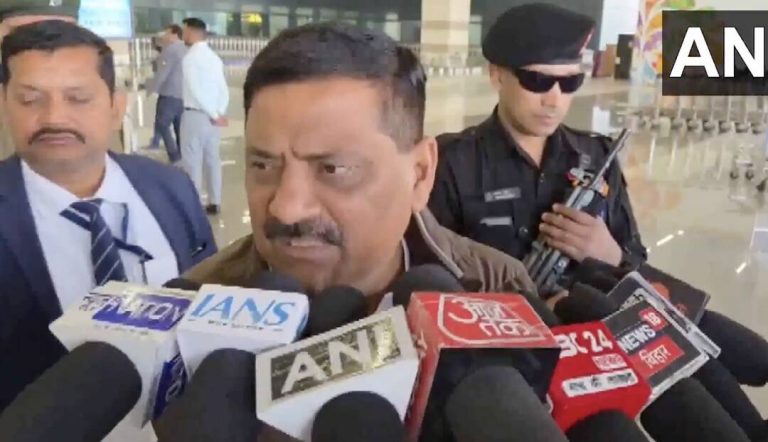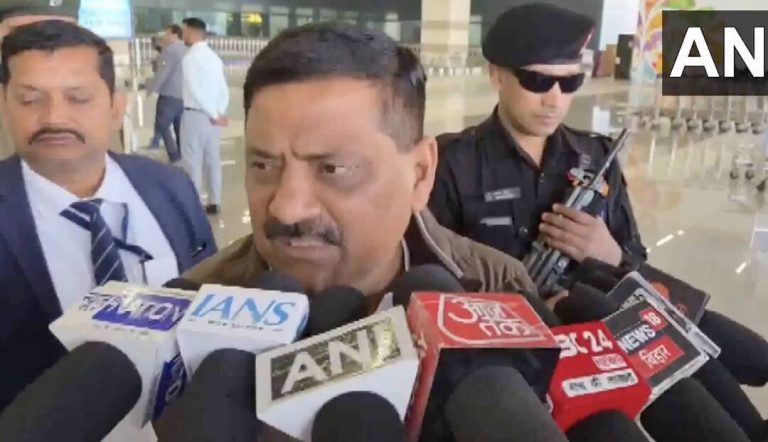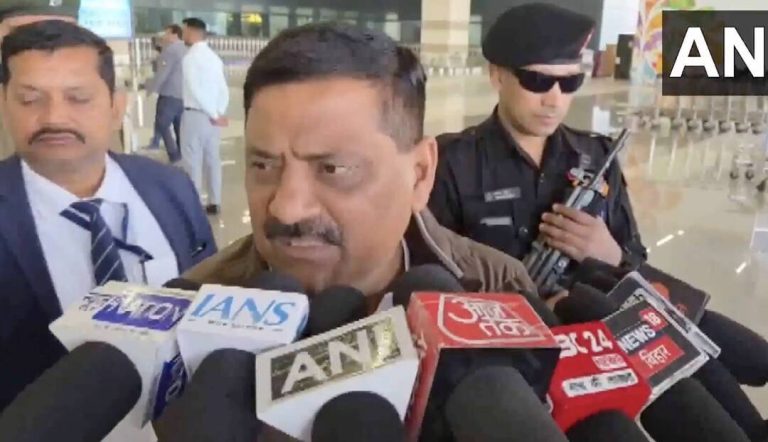
In farmers’ best interest: JD(U) MP on India-US interim trade deal
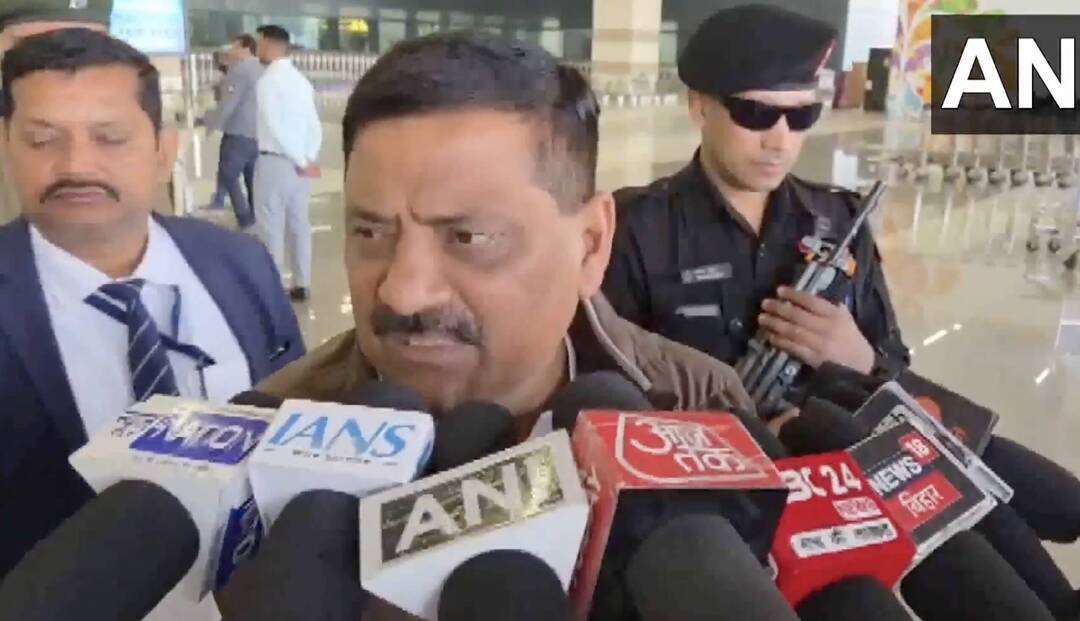
The recent India-US interim trade agreement has been making headlines, with various stakeholders weighing in on its implications. Reacting to the development, JD(U) MP Sanjay Kumar Jha has come out in support of the agreement, stating that it is in the best interests of the farmers. In a statement, Jha said, “The trade agreement is in the best interests of the farmers.” He further added, “The tariffs have also been slashed…India has also announced trade deals with other nations.” This statement highlights the positive aspects of the agreement, particularly with regards to the agricultural sector.
The India-US interim trade deal has been a subject of much speculation and debate. The agreement aims to boost trade between the two countries, with a focus on reducing tariffs and increasing market access. One of the key aspects of the deal is the protection of sensitive agriculture and dairy products. According to reports, India has fully protected these products under the interim trade deal with the US. This move is expected to benefit Indian farmers, who were earlier concerned about the impact of the agreement on their livelihoods.
The protection of sensitive agriculture and dairy products is a significant aspect of the agreement. India has a large and diverse agricultural sector, with many farmers relying on the cultivation of crops such as wheat, rice, and cotton. The dairy industry is also a significant contributor to the country’s economy, with India being one of the largest producers of milk in the world. By protecting these products, the government has ensured that the interests of the farmers are safeguarded.
The slashing of tariffs is another important aspect of the agreement. Tariffs have long been a point of contention between India and the US, with the latter imposing high tariffs on Indian goods. The reduction in tariffs is expected to make Indian products more competitive in the US market, which in turn will benefit Indian exporters. This move is also expected to increase trade between the two countries, which will have a positive impact on the economy.
India’s decision to announce trade deals with other nations is also a significant development. The country has been actively engaged in trade negotiations with several countries, including the EU, Australia, and Japan. These agreements are expected to increase India’s trade with these countries, which will have a positive impact on the economy. The move is also expected to reduce India’s dependence on the US market, which will give the country more negotiating power in future trade agreements.
The reaction of the JD(U) MP to the agreement is significant, as it highlights the positive aspects of the deal. The statement that the agreement is in the best interests of the farmers is a clear indication that the government is committed to protecting the interests of the agricultural sector. The fact that the tariffs have been slashed and India has announced trade deals with other nations is also a positive development, which will have a beneficial impact on the economy.
However, not everyone is convinced about the benefits of the agreement. Some critics have argued that the deal does not go far enough in addressing the concerns of Indian farmers. They have pointed out that the agreement does not provide adequate protection to the agricultural sector, and that the reduction in tariffs will benefit only a select few. These concerns are valid and need to be addressed by the government.
In conclusion, the India-US interim trade agreement is a significant development that has the potential to boost trade between the two countries. The protection of sensitive agriculture and dairy products, the slashing of tariffs, and the announcement of trade deals with other nations are all positive aspects of the agreement. The statement by the JD(U) MP that the agreement is in the best interests of the farmers is a clear indication that the government is committed to protecting the interests of the agricultural sector. While there are some concerns about the agreement, it is clear that it has the potential to benefit the economy and the farmers.
Source: https://x.com/ANI/status/2020024863357038983
About the Author