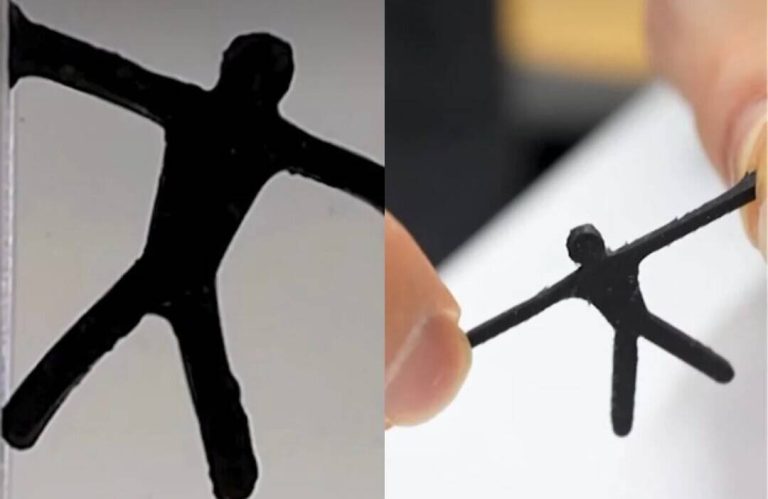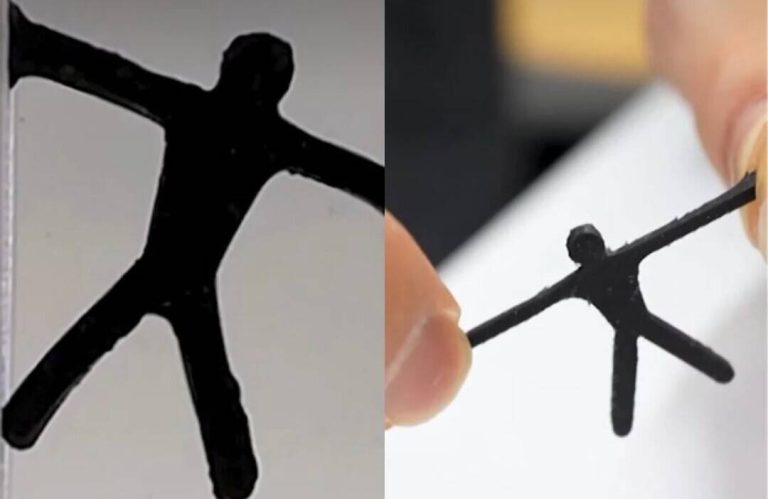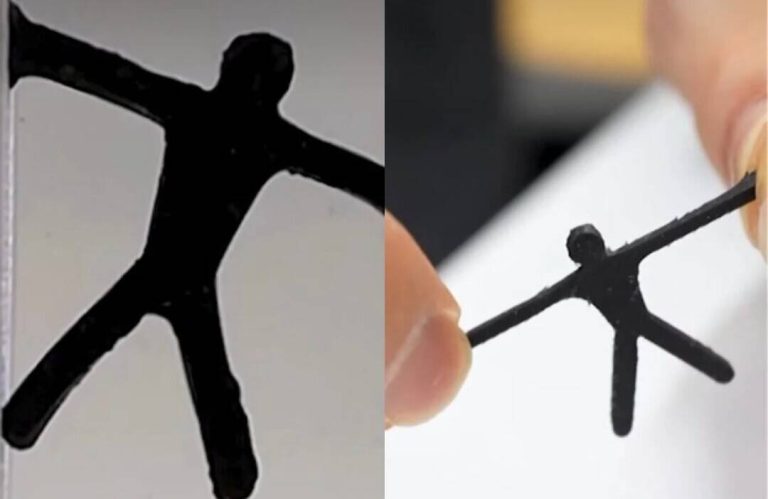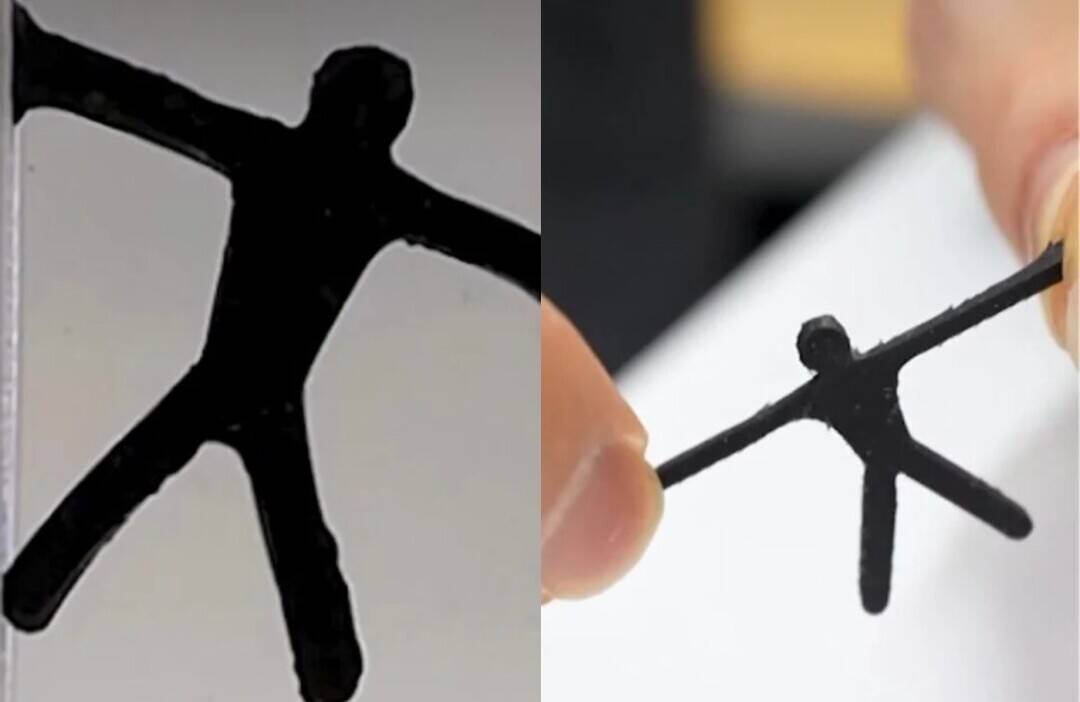
UK scientists create shape-shifting jelly robot that moves with electric fields
In a groundbreaking achievement, British researchers have developed a soft, jelly-like robot that moves and changes shape using external electric fields, without the need for motors or joints. Designed by University of Bristol scientists, the robot has the ability to reshape its body to bend, stretch, and move in various directions. This innovative technology has the potential to aid exploration in tight, fragile, or hazardous environments, where traditional robots may struggle to operate.
The shape-shifting robot, made from a soft, gel-like material, is able to change its shape in response to external electric fields. This is achieved through the use of electroactive polymers, which are capable of altering their shape when an electric field is applied. By carefully controlling the electric field, the researchers are able to manipulate the robot’s movements, allowing it to bend, stretch, and move in a variety of ways.
One of the key advantages of this technology is its ability to operate in tight or fragile environments. Traditional robots, with their rigid bodies and mechanical joints, can often struggle to navigate through narrow spaces or delicate terrain. In contrast, the soft, jelly-like robot is able to squeeze through tight spaces and adapt to changing environments, making it ideal for applications such as search and rescue missions or environmental monitoring.
The potential applications of this technology are vast and varied. For example, the robot could be used to explore tight spaces in buildings or infrastructure, such as pipes or ductwork, to detect leaks or damage. It could also be used in environmental monitoring, such as tracking water quality or monitoring wildlife populations. Additionally, the robot’s ability to change shape in response to electric fields could be used in medical applications, such as implantable devices or surgical tools.
The development of this technology is a significant breakthrough in the field of robotics, and has the potential to revolutionize the way we approach exploration and monitoring in a variety of environments. The use of soft, jelly-like materials and electroactive polymers allows for the creation of robots that are highly flexible and adaptable, and can operate in a wide range of situations.
The University of Bristol researchers behind the project are excited about the potential applications of their technology. “We are thrilled to have developed a robot that can change its shape and move in response to external electric fields,” said one of the researchers. “This technology has the potential to aid exploration in tight, fragile, or hazardous environments, and we are eager to explore its many potential applications.”
The development of this shape-shifting robot is a testament to the ingenuity and creativity of British researchers, and demonstrates the UK’s position at the forefront of robotics and artificial intelligence. As the technology continues to evolve and improve, it is likely that we will see many more innovative applications of this technology in the future.
In conclusion, the creation of a shape-shifting jelly robot that moves with electric fields is a significant breakthrough in the field of robotics. With its ability to change shape and move in response to external electric fields, this robot has the potential to aid exploration in tight, fragile, or hazardous environments. As researchers continue to develop and refine this technology, we can expect to see many exciting applications in the years to come.
About the Author