What agreement did Govt of India sign with Govt of Nagaland?
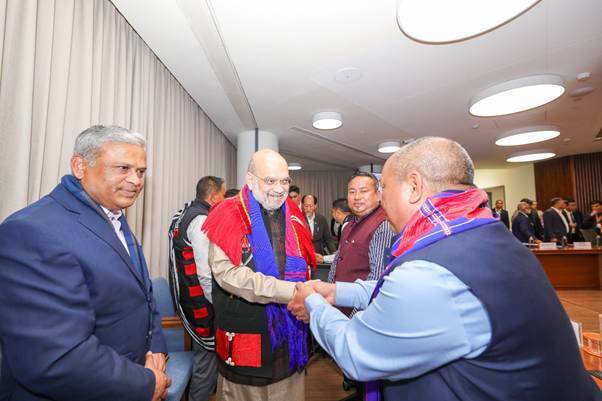
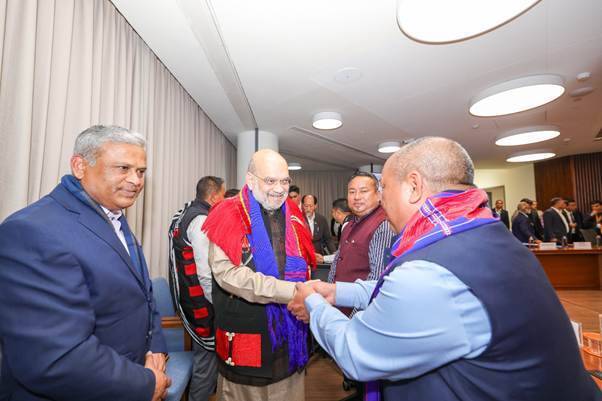
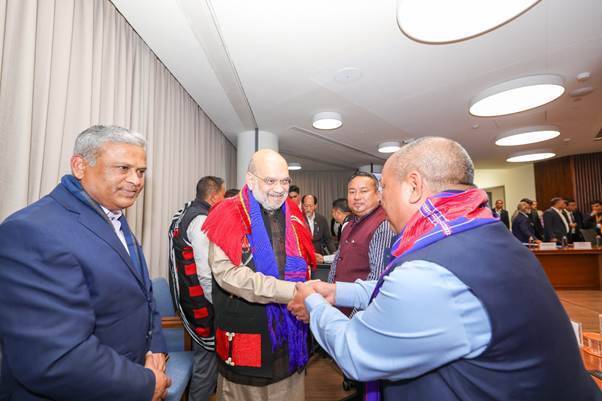
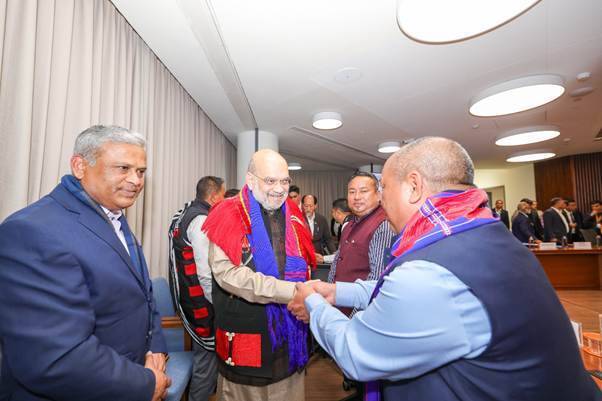
In a significant development, the Government of India has signed a landmark agreement with the Government of Nagaland and the Eastern Nagaland Peoples’ Organisation (ENPO). This agreement aims to boost development and bring about peace and prosperity to the tribes in Eastern Nagaland. The agreement establishes the Frontier Nagaland Territorial Authority (FNTA), which will cover six districts in the region and will have powers over 46 subjects. The Centre will provide annual funding and a mini-secretariat to the FNTA, marking a new chapter in the development of Eastern Nagaland.
The agreement is a result of long-standing negotiations between the Government of India, the Government of Nagaland, and the ENPO. The ENPO, which represents the interests of the Eastern Nagaland tribes, has been demanding greater autonomy and development for the region. With the signing of this agreement, the Government of India has taken a significant step towards addressing the concerns of the ENPO and the people of Eastern Nagaland.
The FNTA will have jurisdiction over six districts in Eastern Nagaland, including Dimapur, Niuland, Peren, Phek, Tuensang, and Mon. The authority will have powers over 46 subjects, including education, health, agriculture, and infrastructure development. This will enable the FNTA to take decisions and implement programs that are tailored to the specific needs of the region, without having to rely on the state government or the Centre.
One of the key features of the agreement is the provision of annual funding by the Centre to the FNTA. This will ensure that the authority has the resources it needs to implement its programs and projects, without having to rely on the state government or other sources of funding. The Centre will also provide a mini-secretariat to the FNTA, which will provide administrative support and help the authority to function effectively.
The signing of this agreement is a significant development for the people of Eastern Nagaland, who have long been demanding greater autonomy and development. The agreement recognizes the unique cultural and linguistic identity of the Eastern Nagaland tribes and provides a framework for their development and empowerment. The FNTA will provide a platform for the people of Eastern Nagaland to participate in the decision-making process and to have a greater say in the development of their region.
The agreement is also a significant step towards promoting peace and stability in the region. The ENPO has been demanding greater autonomy and development for Eastern Nagaland, and the signing of this agreement is a major breakthrough in this regard. The agreement provides a framework for the peaceful resolution of disputes and promotes greater understanding and cooperation between the Government of India, the Government of Nagaland, and the ENPO.
The development of Eastern Nagaland is a major challenge, given the region’s rugged terrain, limited infrastructure, and lack of access to basic amenities. The FNTA will have to work hard to address these challenges and to provide basic amenities such as healthcare, education, and sanitation to the people of the region. However, with the support of the Centre and the state government, the FNTA is well-placed to make a significant impact in the region.
In conclusion, the agreement signed between the Government of India, the Government of Nagaland, and the ENPO is a significant development for the people of Eastern Nagaland. The establishment of the FNTA and the provision of annual funding and a mini-secretariat by the Centre mark a new chapter in the development of the region. The agreement recognizes the unique cultural and linguistic identity of the Eastern Nagaland tribes and provides a framework for their development and empowerment. With the support of the Centre and the state government, the FNTA is well-placed to make a significant impact in the region and to bring about peace, prosperity, and development to the people of Eastern Nagaland.
Details of the Agreement
- The agreement establishes the Frontier Nagaland Territorial Authority (FNTA), which will cover six districts in Eastern Nagaland.
- The FNTA will have powers over 46 subjects, including education, health, agriculture, and infrastructure development.
- The Centre will provide annual funding to the FNTA to support its programs and projects.
- The Centre will also provide a mini-secretariat to the FNTA to provide administrative support.
- The agreement recognizes the unique cultural and linguistic identity of the Eastern Nagaland tribes and provides a framework for their development and empowerment.
Impact of the Agreement
- The agreement will promote peace and stability in the region by providing a framework for the peaceful resolution of disputes.
- The agreement will provide a platform for the people of Eastern Nagaland to participate in the decision-making process and to have a greater say in the development of their region.
- The agreement will enable the FNTA to take decisions and implement programs that are tailored to the specific needs of the region.
- The agreement will promote greater understanding and cooperation between the Government of India, the Government of Nagaland, and the ENPO.
Way Forward
- The FNTA will have to work hard to address the challenges facing the region, including limited infrastructure and lack of access to basic amenities.
- The Centre and the state government will have to provide support to the FNTA to enable it to function effectively.
- The agreement will have to be implemented in a transparent and accountable manner to ensure that the benefits of the agreement reach the people of Eastern Nagaland.
News Source: https://www.pib.gov.in/PressReleasePage.aspx
About the Author