What agreement did Govt of India sign with Govt of Nagaland?
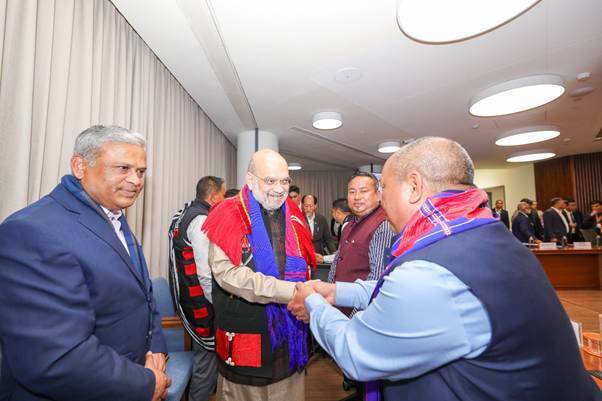
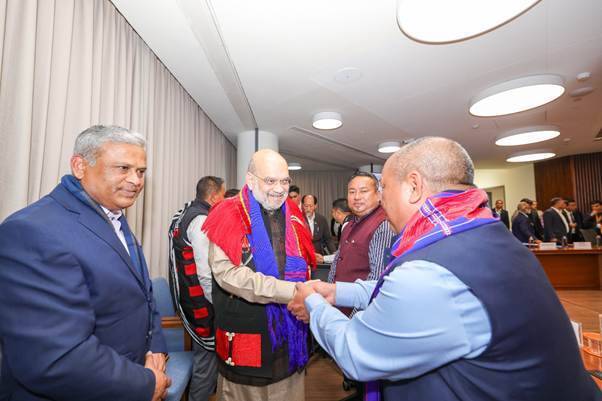
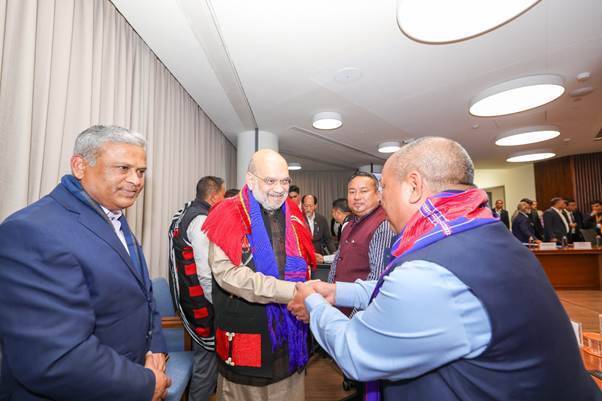
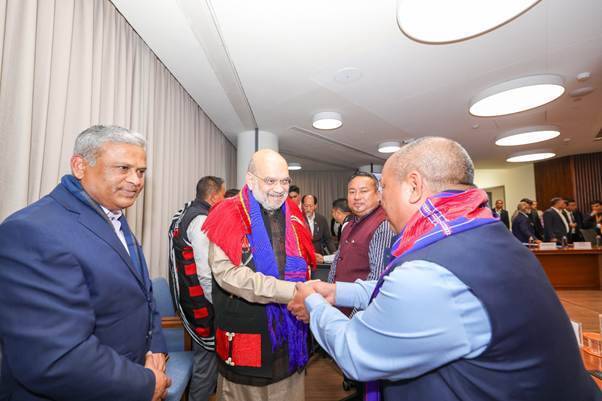
In a significant development, the Government of India has signed a landmark agreement with the Government of Nagaland, along with the Eastern Nagaland Peoples’ Organisation (ENPO), to establish the Frontier Nagaland Territorial Authority (FNTA). This agreement aims to boost development and bring about socio-economic progress to the tribes in Eastern Nagaland. The FNTA will cover six districts in the region and will have powers over 46 subjects, with the Centre providing annual funding and a mini-secretariat to support its functioning.
The signing of this agreement marks a major milestone in the efforts of the Government of India to address the developmental needs of the people of Nagaland, particularly those in the Eastern part of the state. The FNTA will play a crucial role in bridging the gap between the state government and the local communities, ensuring that the benefits of development reach the grassroots level. The agreement also underscores the commitment of the Government of India to work closely with the state governments and local organizations to promote inclusive growth and development.
The six districts that will be covered under the FNTA include Mon, Tuensang, Longleng, Kiphire, Noklak, and Shamator. These districts have historically been among the most underdeveloped in the state, with limited access to basic amenities like healthcare, education, and infrastructure. The establishment of the FNTA is expected to change this scenario, with the Centre providing significant funding to support development projects in the region. The annual funding will be utilized to implement various schemes and programs aimed at improving the socio-economic conditions of the people in the region.
One of the key features of the agreement is the transfer of powers over 46 subjects to the FNTA. This will enable the authority to take decisions and implement projects independently, without having to rely on the state government for approval. The subjects that will be transferred to the FNTA include education, healthcare, agriculture, and infrastructure development, among others. This will ensure that the FNTA has the necessary autonomy to respond to the unique needs and challenges of the region, and to develop tailored solutions to address them.
The Centre will also provide a mini-secretariat to the FNTA, which will serve as the administrative headquarters of the authority. The mini-secretariat will be staffed by officials from the state government and the Centre, who will work together to support the functioning of the FNTA. This will ensure that the authority has the necessary administrative capacity to implement its decisions and to oversee the development projects in the region.
The agreement has been welcomed by the people of Nagaland, particularly those in the Eastern part of the state. The ENPO, which has been a key player in the negotiations, has expressed its satisfaction with the terms of the agreement. The organization has been advocating for greater autonomy and development for the region, and the establishment of the FNTA is seen as a major step forward in this direction.
The signing of the agreement is also significant because it marks a new chapter in the relationship between the Government of India and the state government of Nagaland. The two governments have been working closely together to address the developmental needs of the state, and the establishment of the FNTA is a major outcome of this collaboration. The agreement demonstrates the commitment of the Government of India to work with the state governments and local organizations to promote inclusive growth and development, and to address the unique challenges and needs of different regions.
In conclusion, the agreement signed between the Government of India, the Government of Nagaland, and the ENPO is a significant development that is expected to bring about major changes in the socio-economic landscape of Eastern Nagaland. The establishment of the FNTA, with its powers over 46 subjects and annual funding from the Centre, will ensure that the region receives the attention and resources it needs to develop and prosper. As the FNTA begins its work, it is expected to make a positive impact on the lives of the people in the region, and to contribute to the overall development of the state of Nagaland.
News Source: https://www.pib.gov.in/PressReleasePage.aspx
About the Author