What agreement did Govt of India sign with Govt of Nagaland?
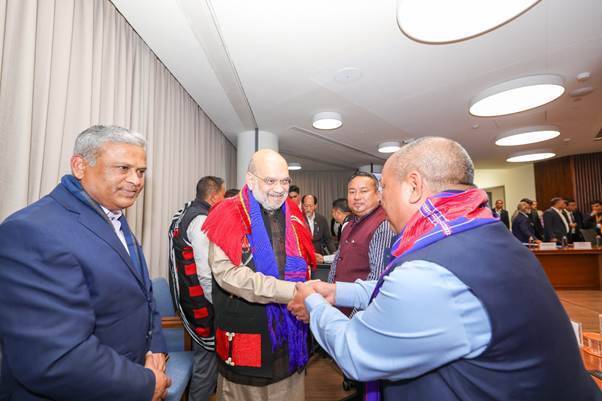
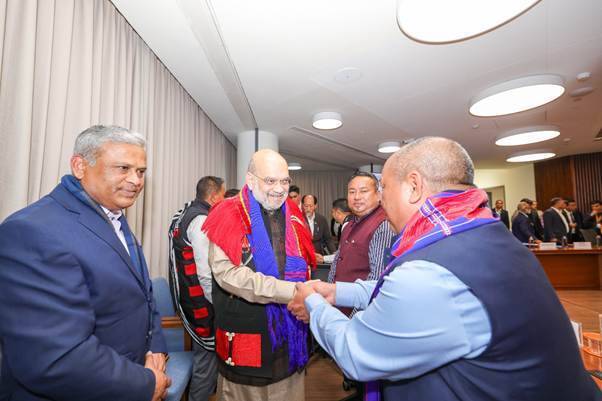
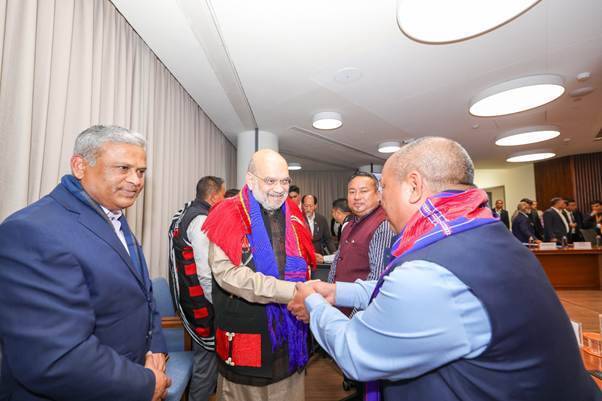
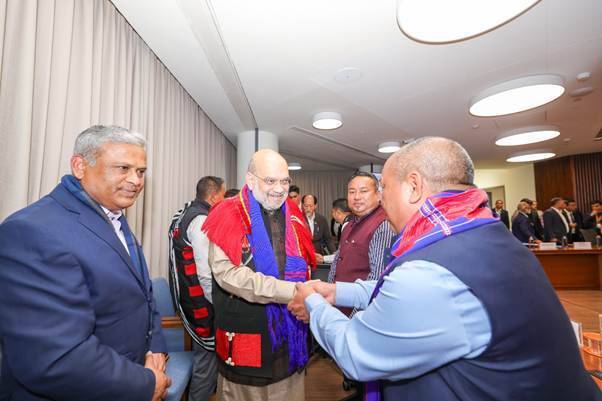
In a significant development, the Government of India has signed a landmark agreement with the Government of Nagaland, along with the Eastern Nagaland Peoples’ Organisation (ENPO), to establish the Frontier Nagaland Territorial Authority (FNTA). This agreement aims to boost development and improve the quality of life for the tribes in Eastern Nagaland. The FNTA will cover six districts in the region and will have powers over 46 subjects, paving the way for a new era of growth and progress in the area.
The agreement, which was signed recently, is a major step forward in addressing the long-standing demands of the people of Eastern Nagaland. The region has been facing various challenges, including inadequate infrastructure, limited access to basic amenities, and a lack of economic opportunities. The establishment of the FNTA is expected to address these issues and provide a framework for the development of the region.
The FNTA will have the power to make laws and regulations on 46 subjects, including education, healthcare, agriculture, and tourism. This will enable the authority to take decisions that are tailored to the specific needs of the region and its people. The Centre will provide annual funding to the FNTA, which will be used to implement various development projects and programs. Additionally, a mini-secretariat will be set up to support the functioning of the FNTA.
The agreement is a significant milestone in the history of Nagaland, and it marks a new chapter in the relationship between the Government of India and the Government of Nagaland. The signing of the agreement is a testament to the commitment of the Centre to address the concerns of the people of Nagaland and to work towards the development of the region.
The Eastern Nagaland Peoples’ Organisation (ENPO) has been a key player in the negotiations that led to the signing of the agreement. The ENPO is a representative body of the people of Eastern Nagaland, and it has been working tirelessly to promote the interests of the region and its people. The organisation has been demanding greater autonomy and self-governance for the region, and the establishment of the FNTA is a major step towards achieving this goal.
The FNTA will have a significant impact on the lives of the people of Eastern Nagaland. It will provide a platform for the region to develop its own policies and programs, tailored to its specific needs and requirements. The authority will also have the power to allocate resources and funds to various sectors, including education, healthcare, and infrastructure.
The agreement is also expected to have a positive impact on the economy of the region. The FNTA will have the power to promote trade and commerce, and to develop the region’s natural resources. This will create new economic opportunities for the people of Eastern Nagaland and will help to reduce poverty and unemployment in the region.
In conclusion, the agreement signed between the Government of India, the Government of Nagaland, and the Eastern Nagaland Peoples’ Organisation (ENPO) is a significant development that is expected to have a major impact on the lives of the people of Eastern Nagaland. The establishment of the Frontier Nagaland Territorial Authority (FNTA) will provide a framework for the development of the region and will enable the people of Eastern Nagaland to take control of their own destiny. The Centre’s commitment to provide annual funding and a mini-secretariat to the FNTA is a major step towards addressing the concerns of the people of Nagaland and promoting the development of the region.
As the FNTA begins its work, it is expected to face several challenges. The authority will need to work closely with the state government and the Centre to ensure that the development projects and programs are implemented effectively. The FNTA will also need to build the capacity of its officials and staff to enable them to take on the new responsibilities and challenges.
Despite these challenges, the agreement is a major step forward in the right direction. It is a testament to the commitment of the Centre to address the concerns of the people of Nagaland and to work towards the development of the region. As the FNTA begins its work, it is expected to have a significant impact on the lives of the people of Eastern Nagaland, and to pave the way for a brighter future for the region.
The agreement is also expected to have a positive impact on the relationship between the Government of India and the Government of Nagaland. The signing of the agreement marks a new chapter in the relationship between the two governments, and it is expected to promote greater cooperation and understanding between them.
In the coming months and years, the FNTA is expected to play a major role in promoting the development of Eastern Nagaland. The authority will need to work closely with the state government, the Centre, and other stakeholders to ensure that the development projects and programs are implemented effectively. The FNTA will also need to build the capacity of its officials and staff to enable them to take on the new responsibilities and challenges.
As the FNTA begins its work, it is expected to face several challenges. However, with the support of the Centre and the state government, the authority is expected to overcome these challenges and to achieve its goals. The establishment of the FNTA is a major step forward in the development of Eastern Nagaland, and it is expected to have a significant impact on the lives of the people of the region.
News Source: https://www.pib.gov.in/PressReleasePage.aspx
About the Author