World-class tech isn’t domain of the West anymore: Ola CEO to Musk
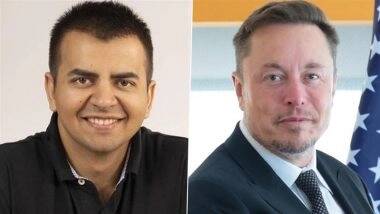
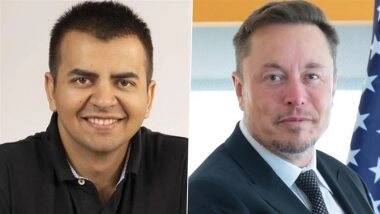
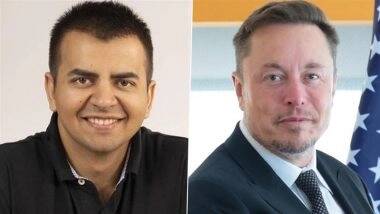
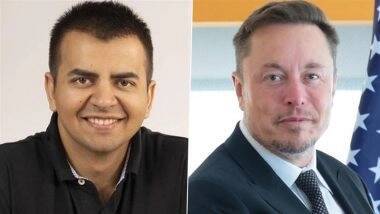
In a recent exchange on social media, Tesla CEO Elon Musk announced that his company had achieved a “major breakthrough” in scaling the dry electrode process for lithium battery production. This breakthrough is expected to significantly improve the efficiency and cost-effectiveness of Tesla’s battery production, giving the company a competitive edge in the electric vehicle (EV) market.
However, Ola Electric founder-CEO Bhavish Aggarwal was quick to respond, stating that his company has been using a similar dry coating process since last year. Moreover, Aggarwal claimed that lakhs of cells manufactured using this process are already in customer vehicles, demonstrating the company’s ability to deploy cutting-edge technology at scale.
Aggarwal’s response was not just a statement of fact, but also a declaration of intent. “World-class tech isn’t the domain of the West anymore,” he said, emphasizing that Indian companies like Ola Electric are now capable of developing and deploying world-class technology that can compete with the best in the world.
This exchange between Musk and Aggarwal highlights the changing dynamics of the global technology landscape. For decades, the West, particularly the United States and Europe, has been the hub of technological innovation. Companies like Tesla, Google, and Amazon have been at the forefront of developing and deploying cutting-edge technologies that have transformed industries and revolutionized the way we live and work.
However, in recent years, there has been a significant shift in the global technology landscape. Emerging economies like India and China have been investing heavily in technology and innovation, and have made significant strides in developing their own indigenous technologies. Companies like Ola Electric, BYD, and Huawei have demonstrated that they can develop and deploy world-class technologies that can compete with the best in the world.
The EV industry is a prime example of this trend. While Tesla has been a pioneer in the EV space, companies like Ola Electric, BYD, and NIO have been gaining traction in recent years. These companies have developed their own indigenous technologies, including battery management systems, electric motors, and charging infrastructure, which have enabled them to offer competitive products at lower prices.
The implications of this trend are significant. As companies from emerging economies develop and deploy world-class technologies, they will be able to compete more effectively with Western companies. This will lead to increased competition, lower prices, and better products for consumers. It will also create new opportunities for collaboration and innovation, as companies from different regions work together to develop new technologies and solutions.
Aggarwal’s statement is also a testament to the growing confidence of Indian companies in their ability to develop and deploy world-class technologies. Ola Electric, for example, has been at the forefront of India’s EV revolution, with a range of products that include electric scooters, buses, and cars. The company has also been investing heavily in research and development, with a focus on developing indigenous technologies that can be deployed at scale.
In conclusion, the exchange between Musk and Aggarwal highlights the changing dynamics of the global technology landscape. As companies from emerging economies develop and deploy world-class technologies, they will be able to compete more effectively with Western companies. This will lead to increased competition, lower prices, and better products for consumers. As Aggarwal said, “World-class tech isn’t the domain of the West anymore.” This is a trend that is likely to continue in the coming years, with significant implications for the global technology industry.
About the Author