What agreement did Govt of India sign with Govt of Nagaland?
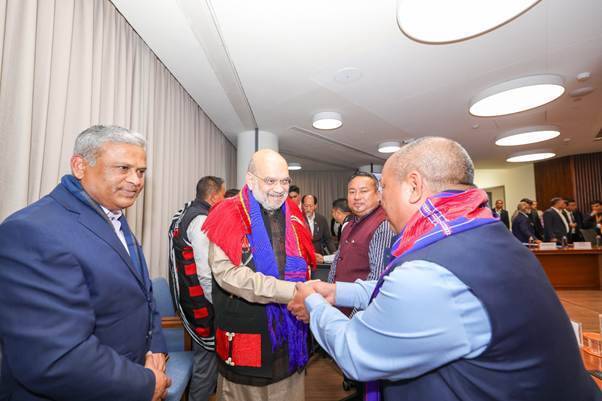
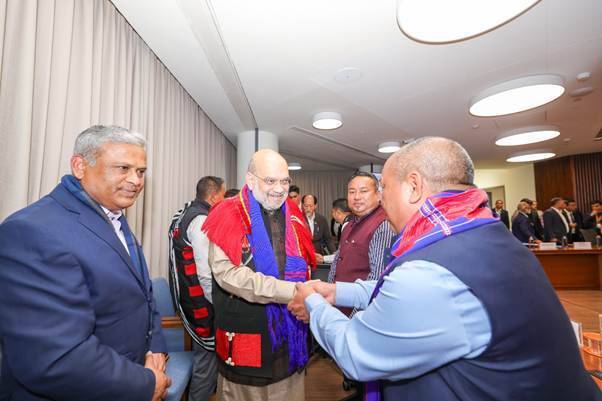
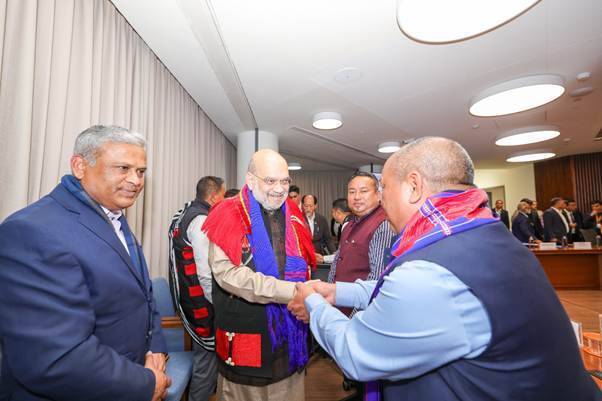
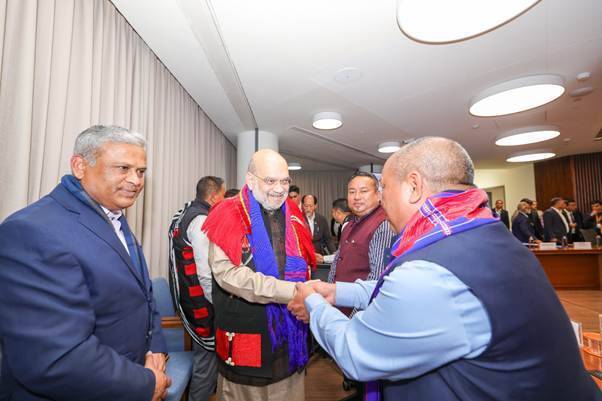
In a significant development, the Government of India has signed a landmark agreement with the Government of Nagaland, marking a new chapter in the state’s history. The agreement, which was signed in the presence of top officials from both the central and state governments, aims to boost development and bring about peace and prosperity to the region. The agreement establishes the Frontier Nagaland Territorial Authority (FNTA), which will cover six districts in Eastern Nagaland and have powers over 46 subjects.
The signing of the agreement is a major breakthrough in the state’s history, as it addresses the long-standing demands of the Eastern Nagaland Peoples’ Organisation (ENPO), which has been seeking greater autonomy and development for the region. The ENPO, which represents the interests of the tribes in Eastern Nagaland, has been instrumental in bringing about this agreement, and its efforts have finally borne fruit.
The FNTA, which will be established as a result of this agreement, will have powers over 46 subjects, including education, healthcare, and infrastructure development. This will enable the authority to take decisions that are in the best interests of the people of Eastern Nagaland, without having to rely on the state government or the central government for every small decision. The FNTA will also have the power to collect taxes and levy fees, which will enable it to generate its own revenue and fund its development projects.
One of the key features of the agreement is the provision of annual funding by the central government to the FNTA. This will ensure that the authority has a steady stream of funds to implement its development projects and provide basic services to the people of Eastern Nagaland. The central government will also provide a mini-secretariat to the FNTA, which will enable it to function effectively and efficiently.
The agreement is a significant step forward in the development of Eastern Nagaland, which has long been one of the most backward regions in the country. The region has faced numerous challenges, including poverty, lack of infrastructure, and limited access to basic services such as healthcare and education. The establishment of the FNTA is expected to address these challenges and bring about rapid development to the region.
The signing of the agreement is also a major victory for the people of Eastern Nagaland, who have been demanding greater autonomy and development for decades. The agreement is a testament to the power of peaceful negotiations and dialogue, and demonstrates that even the most complex and seemingly intractable problems can be solved through diplomacy and compromise.
The Government of India has long been committed to the development of the Northeast region, and this agreement is a major step forward in this regard. The government has implemented a number of initiatives aimed at promoting development and bringing about peace and prosperity to the region, and this agreement is a key part of this effort.
The agreement is also a significant development in the context of the broader peace process in Nagaland. The state has long been affected by insurgency and violence, and the signing of this agreement is a major step forward in bringing about peace and stability to the region. The agreement demonstrates that the government is committed to finding peaceful solutions to the state’s problems, and is willing to work with all stakeholders to bring about development and prosperity.
In conclusion, the agreement signed between the Government of India and the Government of Nagaland is a major breakthrough in the state’s history. The establishment of the FNTA is a significant step forward in the development of Eastern Nagaland, and is expected to bring about rapid development and prosperity to the region. The agreement is a testament to the power of peaceful negotiations and dialogue, and demonstrates that even the most complex and seemingly intractable problems can be solved through diplomacy and compromise.
The people of Eastern Nagaland have long been demanding greater autonomy and development, and this agreement is a major victory for them. The agreement is a significant development in the context of the broader peace process in Nagaland, and demonstrates that the government is committed to finding peaceful solutions to the state’s problems.
As the FNTA begins to function and implement its development projects, it is expected to have a major impact on the lives of the people of Eastern Nagaland. The authority will be able to provide basic services such as healthcare and education, and will be able to implement infrastructure development projects such as roads and bridges. The FNTA will also be able to promote economic development in the region, by providing support to local businesses and entrepreneurs.
Overall, the agreement signed between the Government of India and the Government of Nagaland is a major step forward in the development of Eastern Nagaland. It is a significant development in the context of the broader peace process in Nagaland, and demonstrates that the government is committed to finding peaceful solutions to the state’s problems.
News Source: https://www.pib.gov.in/PressReleasePage.aspx
About the Author