405 Air Purifiers Bought for Ministers, VVIP Lounges in 4 Years: Govt
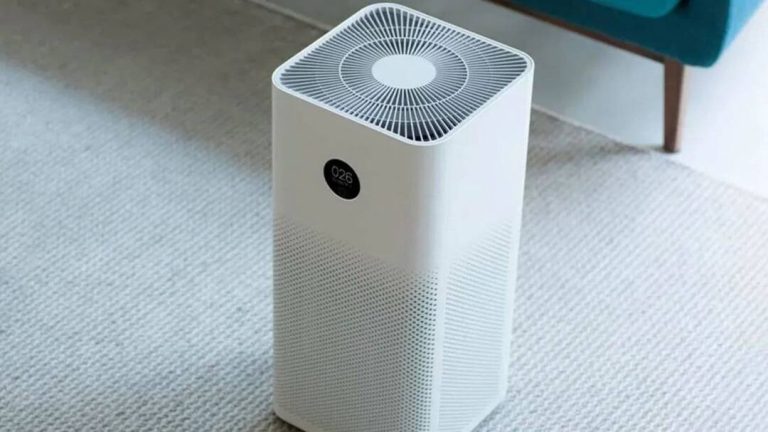
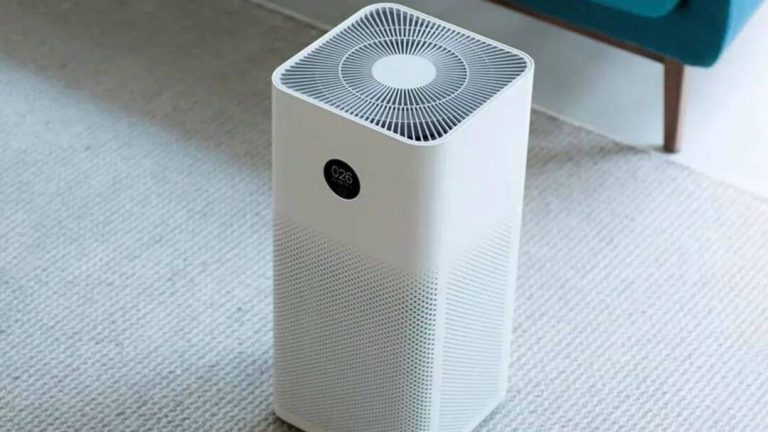
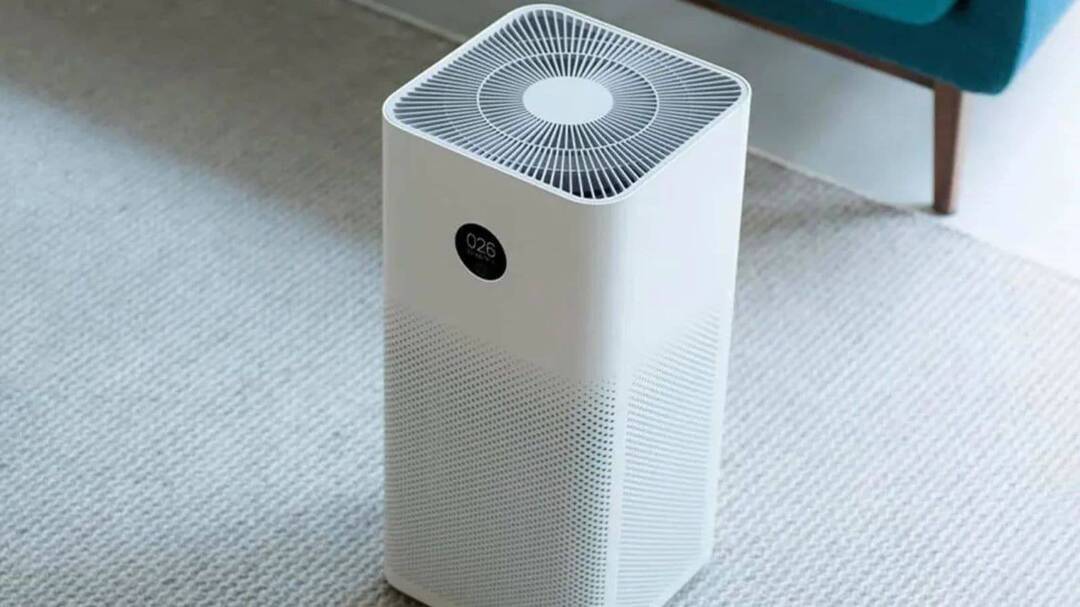
In a recent revelation, the Indian government has disclosed that it has procured a significant number of air purifiers for various government offices, VVIP lounges, and other high-profile areas over the past four years. According to the information provided by Housing and Urban Affairs Minister of State Tokhan Sahu in the Lok Sabha on Thursday, a total of 405 air purifiers were purchased between 2021 and 2025.
The air purifiers, which were procured by the Central Public Works Department (CPWD), were installed in various government offices, including the Parliament, Supreme Court, and other courtrooms. Additionally, ministers, Supreme Court judges, and other high-ranking officials also received these air purifiers in their offices and lounges. The cost of these air purifiers ranged from ₹15,000 to ₹1.50 lakh per unit, with the purchases being made through the government’s online procurement portal.
This move by the government to provide air purifiers in these areas highlights the growing concern about air pollution in the country. India has been struggling with severe air pollution, particularly in urban areas, with cities like Delhi and Mumbai consistently ranking among the most polluted cities in the world. The installation of air purifiers in government offices and VVIP lounges is seen as a step towards providing a healthier environment for those working and visiting these areas.
The CPWD, which is responsible for the construction and maintenance of government buildings, has been actively involved in the procurement and installation of these air purifiers. The department has been working to ensure that the air quality in government offices and other areas is improved, and the installation of air purifiers is a key part of this effort.
The use of air purifiers in government offices and VVIP lounges is not only beneficial for the health and well-being of those working and visiting these areas but also helps to improve productivity and efficiency. By providing a cleaner and healthier environment, the government aims to create a more conducive work environment for its employees and officials.
The government’s decision to procure air purifiers for its offices and VVIP lounges has also sparked a debate about the need for similar measures in other public areas. With air pollution being a major concern across the country, there is a growing demand for the installation of air purifiers in public spaces, such as schools, hospitals, and public transportation systems.
In recent years, air pollution has become a major health concern in India, with millions of people affected by respiratory problems and other health issues related to poor air quality. The government has been under pressure to take concrete steps to address the issue, and the installation of air purifiers in government offices and VVIP lounges is seen as a positive step in this direction.
However, critics have also raised questions about the unequal distribution of resources, with some arguing that the government should prioritize the installation of air purifiers in public areas and low-income households, where the need is greatest. Others have pointed out that the government should focus on addressing the root causes of air pollution, such as vehicular emissions and industrial pollution, rather than just providing a temporary solution through air purifiers.
Despite these criticisms, the government’s move to procure air purifiers for its offices and VVIP lounges is a welcome step towards improving the air quality in these areas. As the country continues to grapple with the challenges of air pollution, it is essential that the government takes a multi-faceted approach to address the issue, including the installation of air purifiers, increasing the use of clean energy, and implementing policies to reduce pollution.
In conclusion, the procurement of 405 air purifiers by the CPWD for government offices, VVIP lounges, and other high-profile areas is a significant step towards improving the air quality in these areas. While there are valid criticisms about the unequal distribution of resources and the need to address the root causes of air pollution, this move by the government is a positive step towards providing a healthier environment for those working and visiting these areas.
About the Author