What agreement did Govt of India sign with Govt of Nagaland?
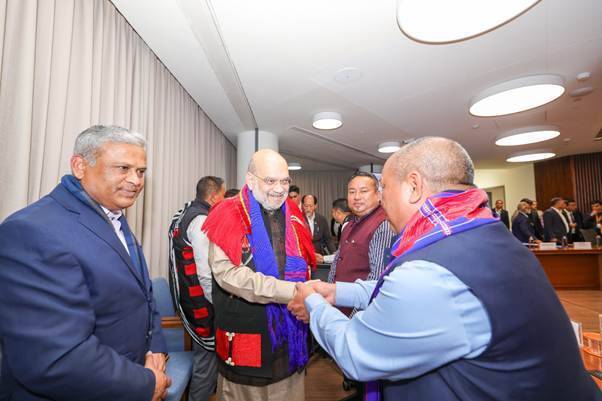
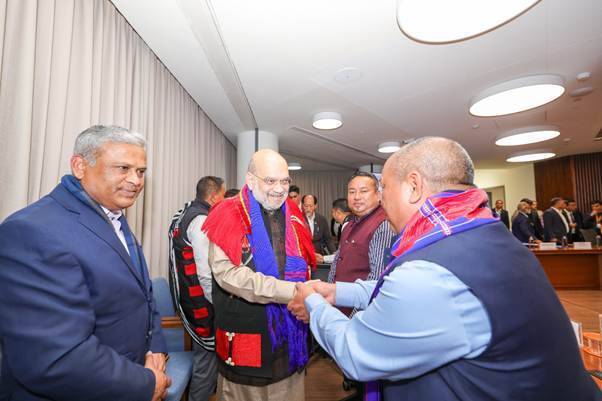
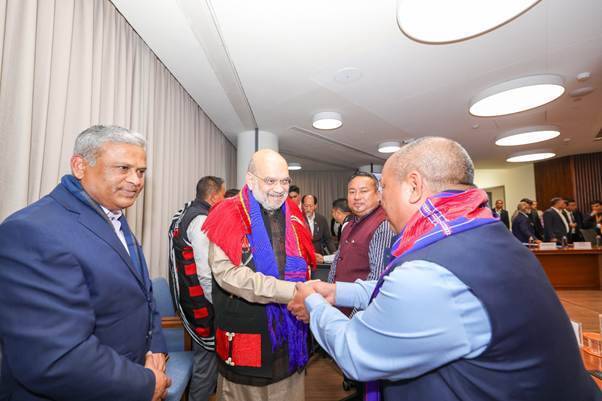
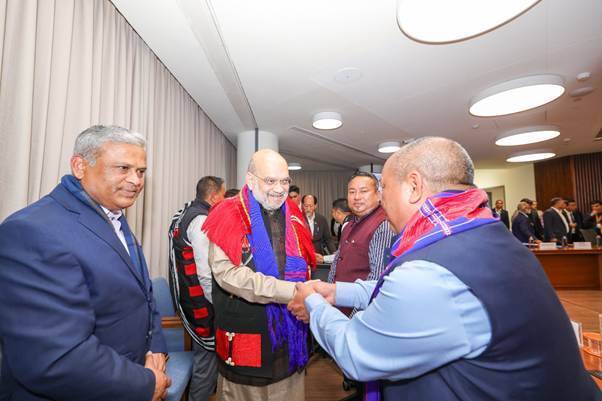
In a significant development, the Government of India has signed a landmark agreement with the Government of Nagaland, along with the Eastern Nagaland Peoples’ Organisation (ENPO), to establish the Frontier Nagaland Territorial Authority (FNTA). This agreement aims to boost development and provide greater autonomy to the tribes in Eastern Nagaland, marking a major milestone in the region’s history. In this blog post, we will delve into the details of the agreement and its implications for the region.
The agreement, which was signed recently, establishes the FNTA, covering six districts in Eastern Nagaland. The FNTA will have jurisdiction over these districts, with the Centre transferring powers over 46 subjects to the new authority. This move is expected to give a significant boost to the development of the region, which has long been neglected and underdeveloped. The FNTA will have the power to make decisions on a range of subjects, including education, healthcare, infrastructure, and more, allowing for more localized and effective governance.
One of the key features of the agreement is the commitment of the Centre to provide annual funding to the FNTA. This funding will be used to support the development of the region, with a focus on improving infrastructure, education, and healthcare. The Centre will also provide a mini-secretariat to the FNTA, which will help to support the authority’s administrative functions and ensure that it has the resources it needs to operate effectively.
The establishment of the FNTA is a major victory for the people of Eastern Nagaland, who have long been demanding greater autonomy and recognition. The ENPO, which has been at the forefront of the movement for greater autonomy, has welcomed the agreement, saying that it is a major step forward for the region. The ENPO has been working tirelessly to promote the interests of the people of Eastern Nagaland, and this agreement is a testament to their dedication and perseverance.
The agreement is also significant because it recognizes the unique cultural and linguistic identity of the people of Eastern Nagaland. The region is home to a diverse range of tribes, each with their own distinct culture and language. The FNTA will help to promote and preserve these cultures, ensuring that the region’s rich cultural heritage is protected and promoted.
The implications of the agreement are far-reaching, and it is expected to have a major impact on the development of the region. With the FNTA in place, the people of Eastern Nagaland will have greater control over their own affairs, allowing them to make decisions that are in the best interests of their communities. The agreement is also expected to boost economic development in the region, with the Centre’s commitment to provide annual funding and support for infrastructure development.
The agreement is also a testament to the commitment of the Government of India to promoting the development of the North East region. The North East has long been a priority area for the government, with a range of initiatives and programs aimed at promoting development and reducing poverty. The establishment of the FNTA is a major step forward in this effort, and it is expected to have a significant impact on the region’s development.
In conclusion, the agreement between the Government of India, the Government of Nagaland, and the ENPO is a major milestone in the development of Eastern Nagaland. The establishment of the FNTA is a significant step forward for the region, providing greater autonomy and recognition for the people of Eastern Nagaland. With the Centre’s commitment to provide annual funding and support, the FNTA is expected to have a major impact on the development of the region, promoting economic growth, improving infrastructure, and preserving the region’s rich cultural heritage.
The agreement is a shining example of the government’s commitment to promoting the development of the North East region, and it is a testament to the power of dialogue and negotiation in resolving long-standing issues. As the FNTA begins its work, it is expected to have a major impact on the lives of the people of Eastern Nagaland, and it is a significant step forward in the region’s journey towards greater autonomy and self-determination.
News Source: https://www.pib.gov.in/PressReleasePage.aspx
About the Author