405 Air Purifiers Bought for Ministers, VVIP Lounges in 4 Years: Govt
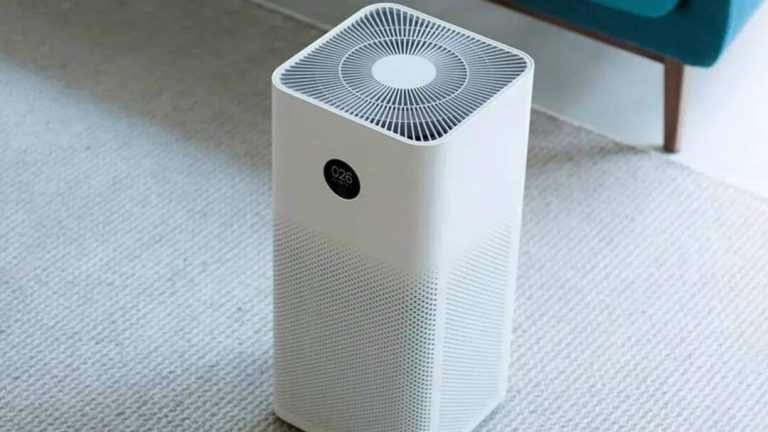
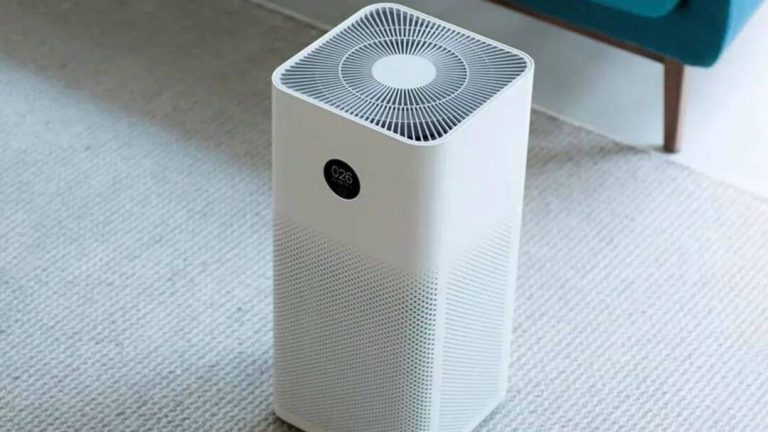
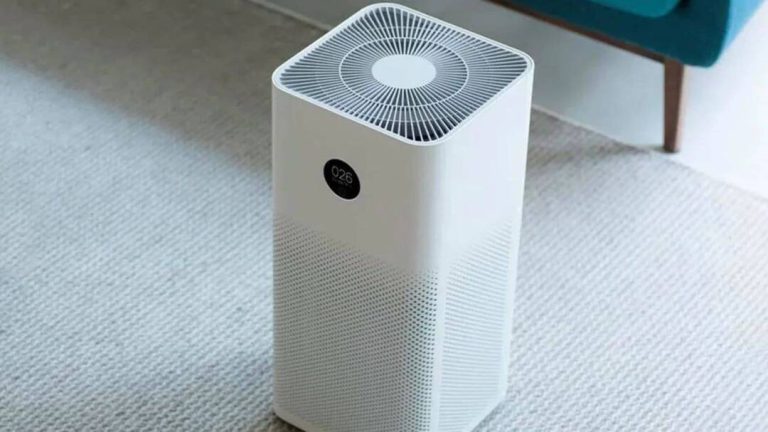
In a recent revelation, the Indian government has disclosed that it has procured a significant number of air purifiers for various government offices, VVIP lounges, courtrooms, and even Supreme Court judges over the past four years. According to the information provided by the Housing and Urban Affairs Minister of State, Tokhan Sahu, in the Lok Sabha on Thursday, a total of 405 air purifiers have been purchased between 2021 and 2025.
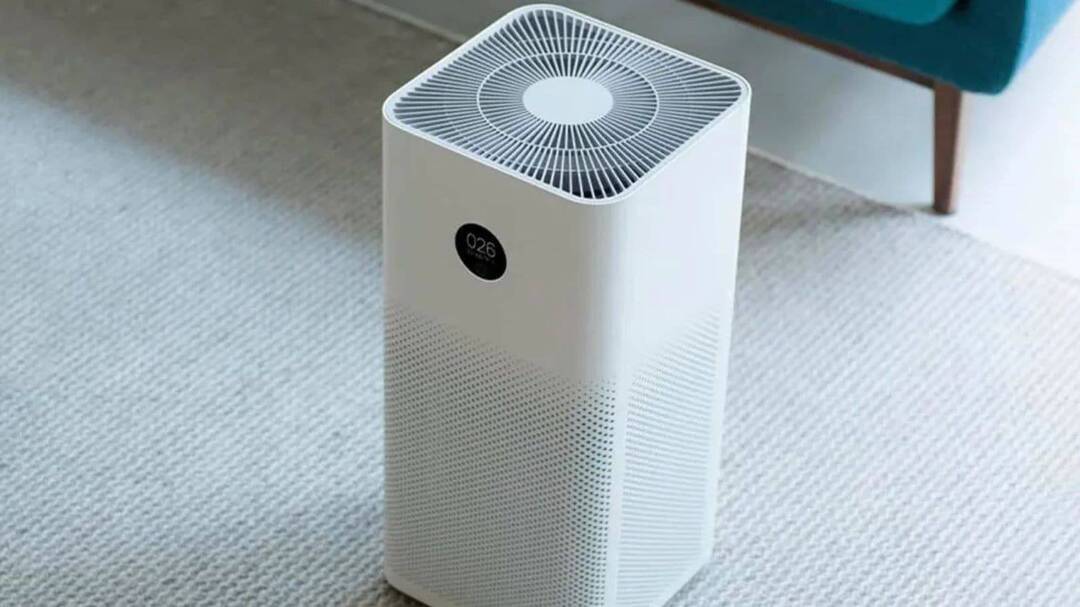
The air purifiers, which are designed to improve indoor air quality, were bought for use in various government establishments, including the Parliament, government offices, VVIP lounges, courtrooms, and residences of ministers and Supreme Court judges. The procurement of these air purifiers was made through the government’s online procurement portal, which ensures transparency and efficiency in the purchasing process.
The prices of the air purifiers varied significantly, ranging from ₹15,000 to ₹1.50 lakh per unit. This wide price range suggests that the government has opted for a mix of basic and advanced air purifiers, catering to different needs and requirements of various government establishments. While the lower-priced air purifiers may be suitable for smaller rooms or areas with relatively better air quality, the more expensive ones may be equipped with advanced features and technologies to tackle severe air pollution.
The decision to procure air purifiers on a large scale underscores the government’s growing concern about air pollution and its impact on public health. India has been grappling with severe air pollution, particularly in urban areas, where the levels of particulate matter (PM) and other pollutants often exceed safe limits. The situation is particularly alarming in the national capital, Delhi, where air quality has been a major concern for several years.
The government’s move to install air purifiers in various establishments is a step in the right direction, as it acknowledges the need to provide a healthy and safe environment for government officials, judges, and other stakeholders. Moreover, this initiative may also serve as a model for other organizations and institutions to follow, promoting a culture of air quality awareness and mitigation.
It is worth noting that the use of air purifiers is just one aspect of a comprehensive approach to addressing air pollution. The government needs to continue working on more systemic and long-term solutions, such as reducing emissions from vehicles and industries, promoting renewable energy, and enhancing public transportation. Additionally, there is a need for greater public awareness and education about air pollution, its causes, and its effects on human health.
In the context of the government’s procurement of air purifiers, it is interesting to consider the broader implications of this decision. On one hand, it demonstrates a commitment to providing a safe and healthy environment for government officials and other stakeholders. On the other hand, it also raises questions about the equity and accessibility of such measures, particularly in a country where many citizens lack access to basic amenities like clean air and water.
As the government continues to grapple with the complex challenge of air pollution, it is essential to prioritize a multifaceted approach that addresses the root causes of the problem. This may involve investing in clean energy, promoting sustainable transportation, and enforcing stricter emissions standards. At the same time, the government must also ensure that its efforts to mitigate air pollution are inclusive and equitable, benefiting all citizens regardless of their socioeconomic status or location.
In conclusion, the government’s procurement of 405 air purifiers for various government establishments over the past four years is a notable development in the context of India’s air pollution crisis. While this initiative is a step in the right direction, it is crucial to recognize that addressing air pollution requires a more comprehensive and sustained effort. As the government continues to work on this issue, it is essential to prioritize transparency, accountability, and equity, ensuring that all citizens have access to clean air and a healthy environment.
About the Author