World-class tech isn’t domain of the West anymore: Ola CEO to Musk
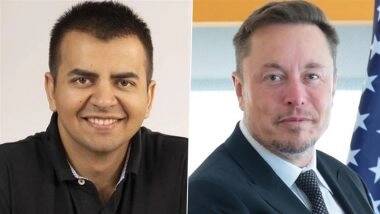
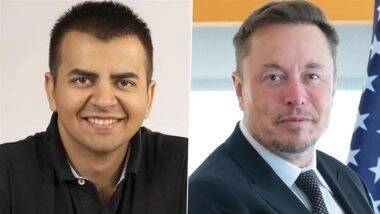
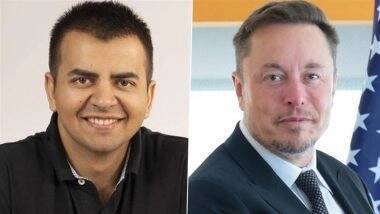
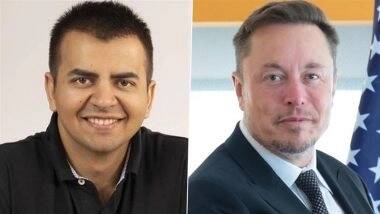
The world of technology is constantly evolving, and the latest developments in the field of electric vehicles have sparked a fascinating exchange between two industry leaders. Recently, Tesla CEO Elon Musk announced that his company had achieved a “major breakthrough” in scaling the dry electrode process for lithium battery production. This news was met with interest and excitement from the tech community, as it has the potential to significantly improve the efficiency and sustainability of electric vehicles.
However, Ola Electric founder-CEO Bhavish Aggarwal was quick to respond, pointing out that his company has been using a similar dry coating process since last year. Moreover, Aggarwal noted that lakhs of cells using this technology are already in customer vehicles, demonstrating the effectiveness and scalability of the approach. This exchange highlights the rapid progress being made in the development of electric vehicle technology, not just in the West, but also in other parts of the world, particularly in India.
Aggarwal’s response to Musk’s announcement was not just a matter of one-upmanship, but also a statement of fact. By saying that “world-class tech isn’t the domain of the West anymore,” Aggarwal is emphasizing the growing capabilities and innovations emerging from countries like India. This is a significant shift in the global technology landscape, as it challenges the traditional notion that the West is the sole hub of technological advancements.
The dry electrode process is a critical component in the production of lithium-ion batteries, which are used to power electric vehicles. By scaling this process, Tesla aims to increase the efficiency and reduce the cost of battery production, making electric vehicles more competitive with traditional fossil fuel-based cars. However, the fact that Ola Electric has already been using a similar process for over a year suggests that the company has been quietly working on its own innovations, without necessarily seeking to draw attention to itself.
This is not the first time that Indian companies have made significant strides in the field of electric vehicles. In recent years, there has been a surge in investments and innovations in the Indian EV sector, with several startups and established companies working on developing new technologies and business models. The Indian government has also been actively promoting the adoption of electric vehicles, with initiatives such as the Faster Adoption and Manufacturing of Electric Vehicles (FAME) scheme, which provides incentives for the manufacture and purchase of EVs.
The exchange between Musk and Aggarwal highlights the growing global nature of the technology industry. It is no longer the case that innovations are confined to specific regions or countries. Instead, companies and entrepreneurs from around the world are working on developing new technologies and solutions, often in collaboration with each other. This global exchange of ideas and expertise is driving rapid progress in fields such as electric vehicles, renewable energy, and artificial intelligence.
Moreover, the fact that Indian companies like Ola Electric are now at the forefront of technological innovations challenges the traditional narrative of the West being the sole hub of technological advancements. India, in particular, has a thriving startup ecosystem, with many companies working on cutting-edge technologies such as artificial intelligence, blockchain, and the Internet of Things (IoT). The country’s large and growing market, combined with its highly skilled workforce, makes it an attractive destination for technology investments and innovations.
In conclusion, the exchange between Elon Musk and Bhavish Aggarwal highlights the rapid progress being made in the development of electric vehicle technology, not just in the West, but also in other parts of the world, particularly in India. The fact that Ola Electric has been using a dry coating process similar to Tesla’s “major breakthrough” demonstrates the growing capabilities and innovations emerging from countries like India. As Aggarwal said, “world-class tech isn’t the domain of the West anymore,” and this shift in the global technology landscape is likely to have significant implications for the future of innovation and development.
About the Author